
Teaching on Opthalamology

[pvcp_1]
ศึกษาข้อเรื่อง Opthalamo​logy รายวิชา Small animal medicine
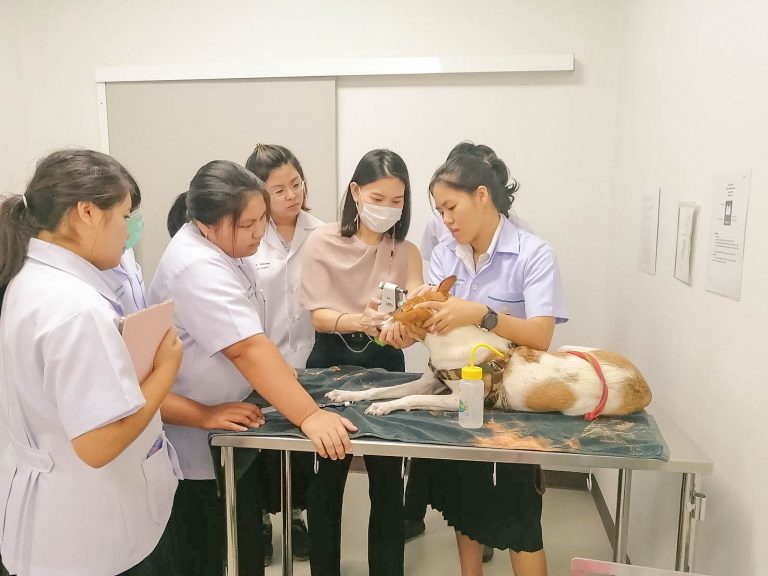
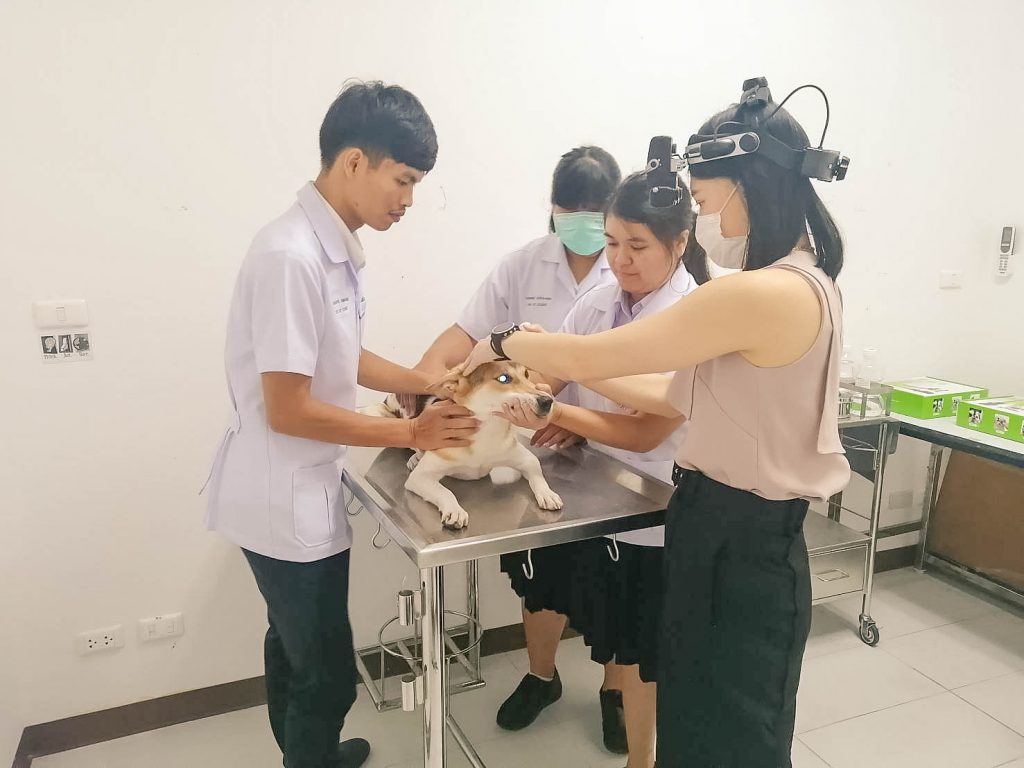
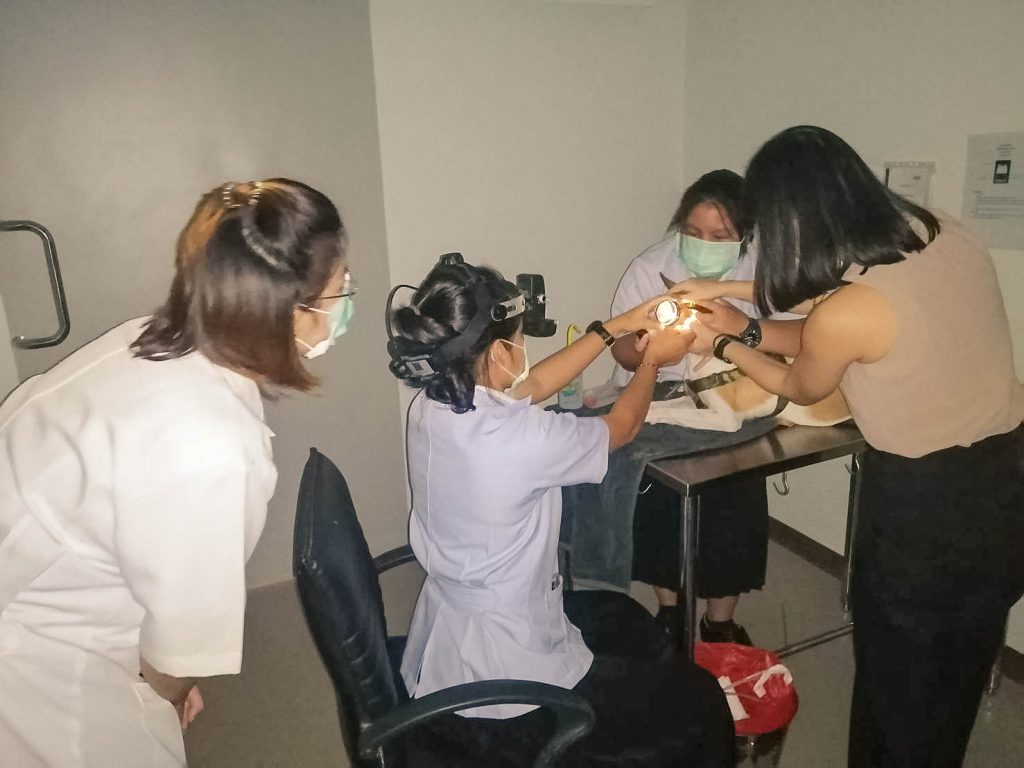
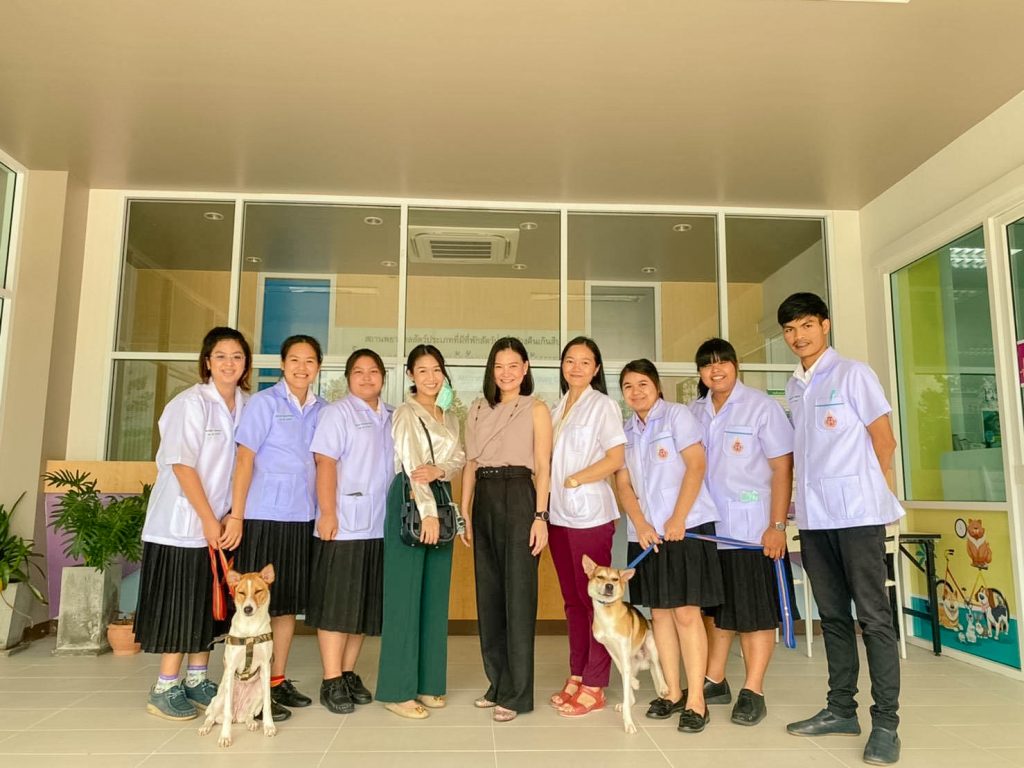
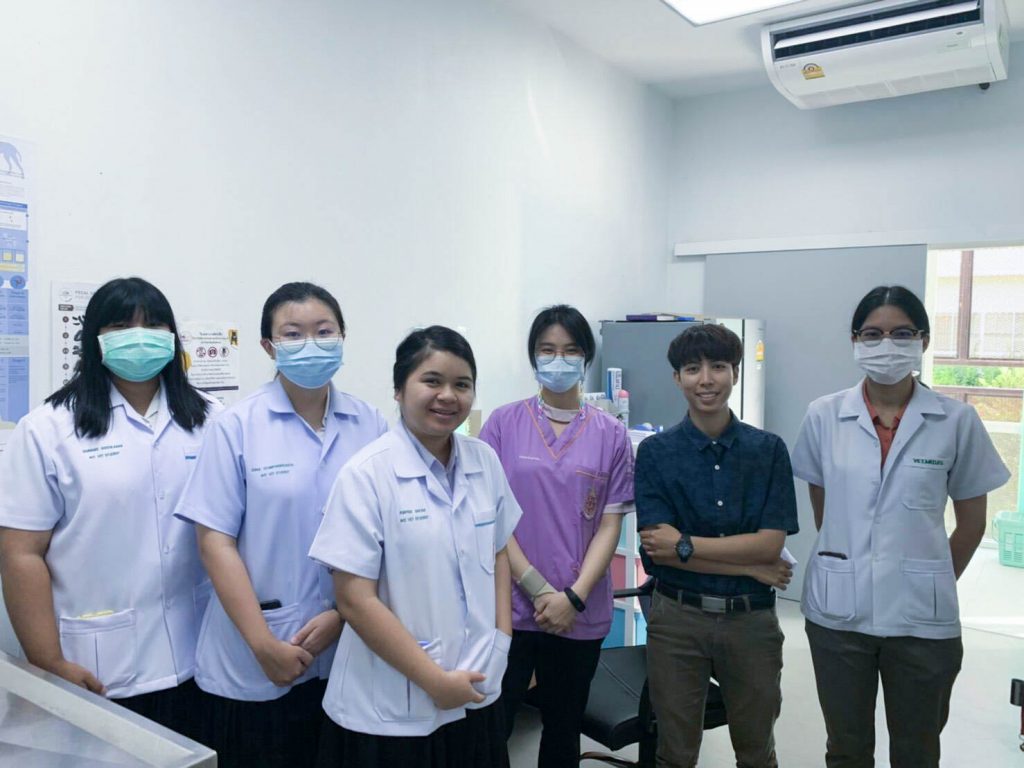
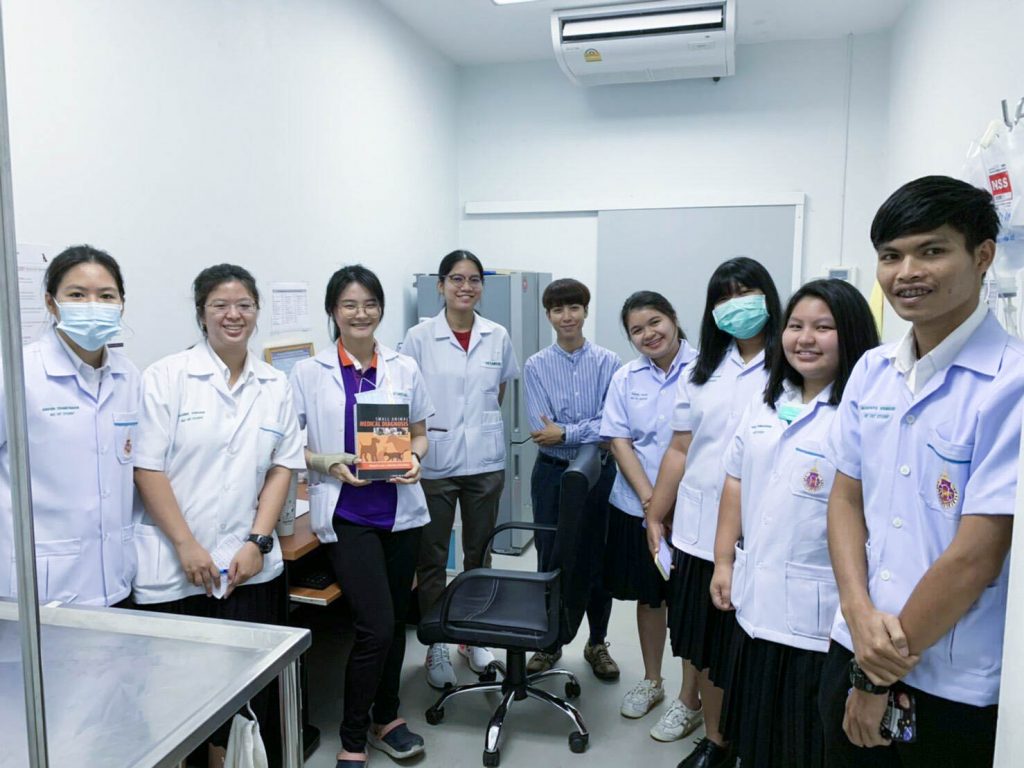
On 5rd April 2021, Dr. Thadsanawarin Karnchanachaya, Animal hospital director of Thonglor, has taught Opthalamology, a topic in Small animal medicine, to the 3nd year student at AVC.
ศึกษาข้อเรื่อง Opthalamo​logy รายวิชา Small animal medicine
Teaching on Opthalamology

How to think and write a proposal for receiving grants

[pvcp_1]
โครงการสัมมนาเชิงปฏิบัติการเพื่อเพิ่มทักษะทางการวิจัย "คิดอย่างไร เขียนอย่างไร ให้ได้ทุน"
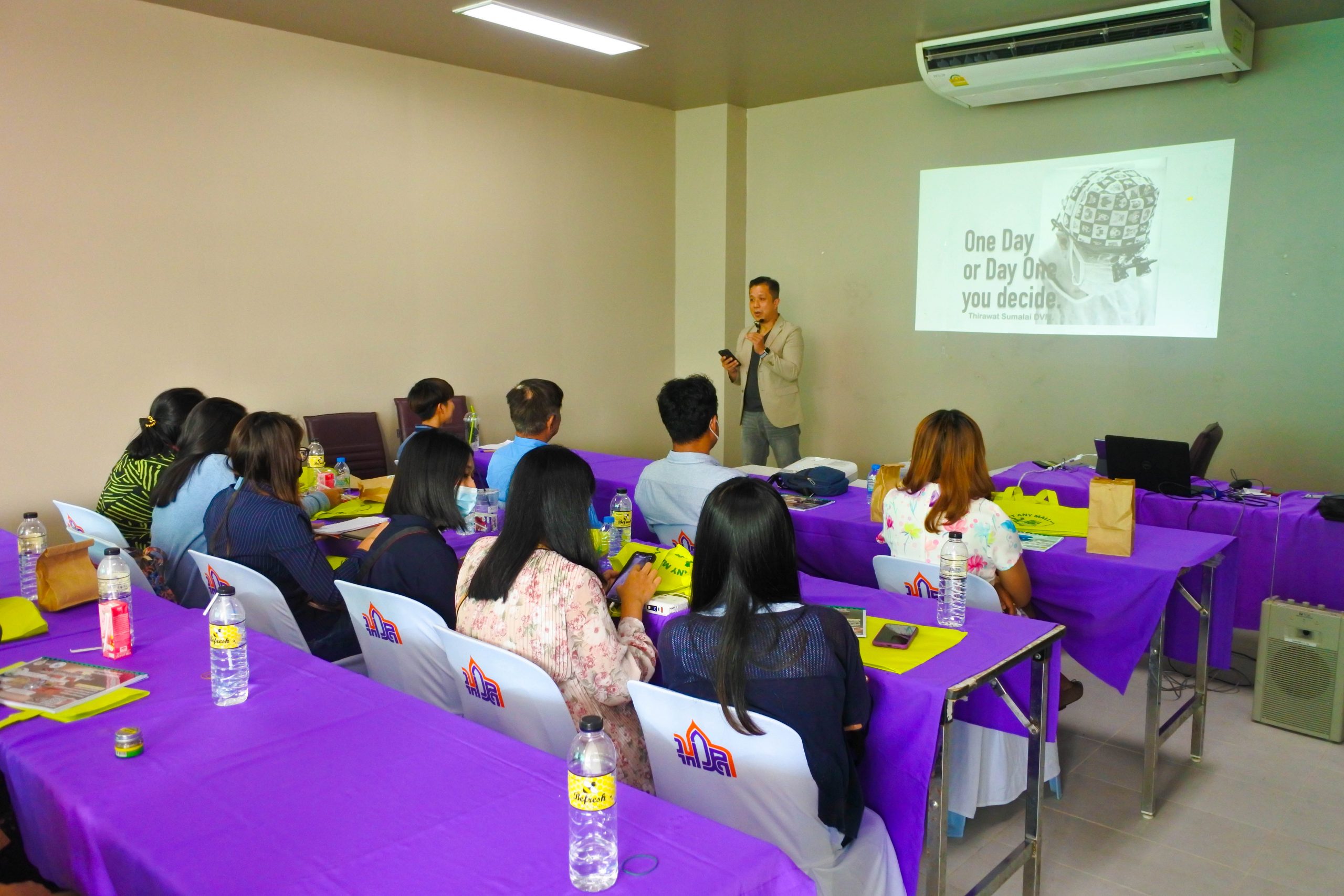
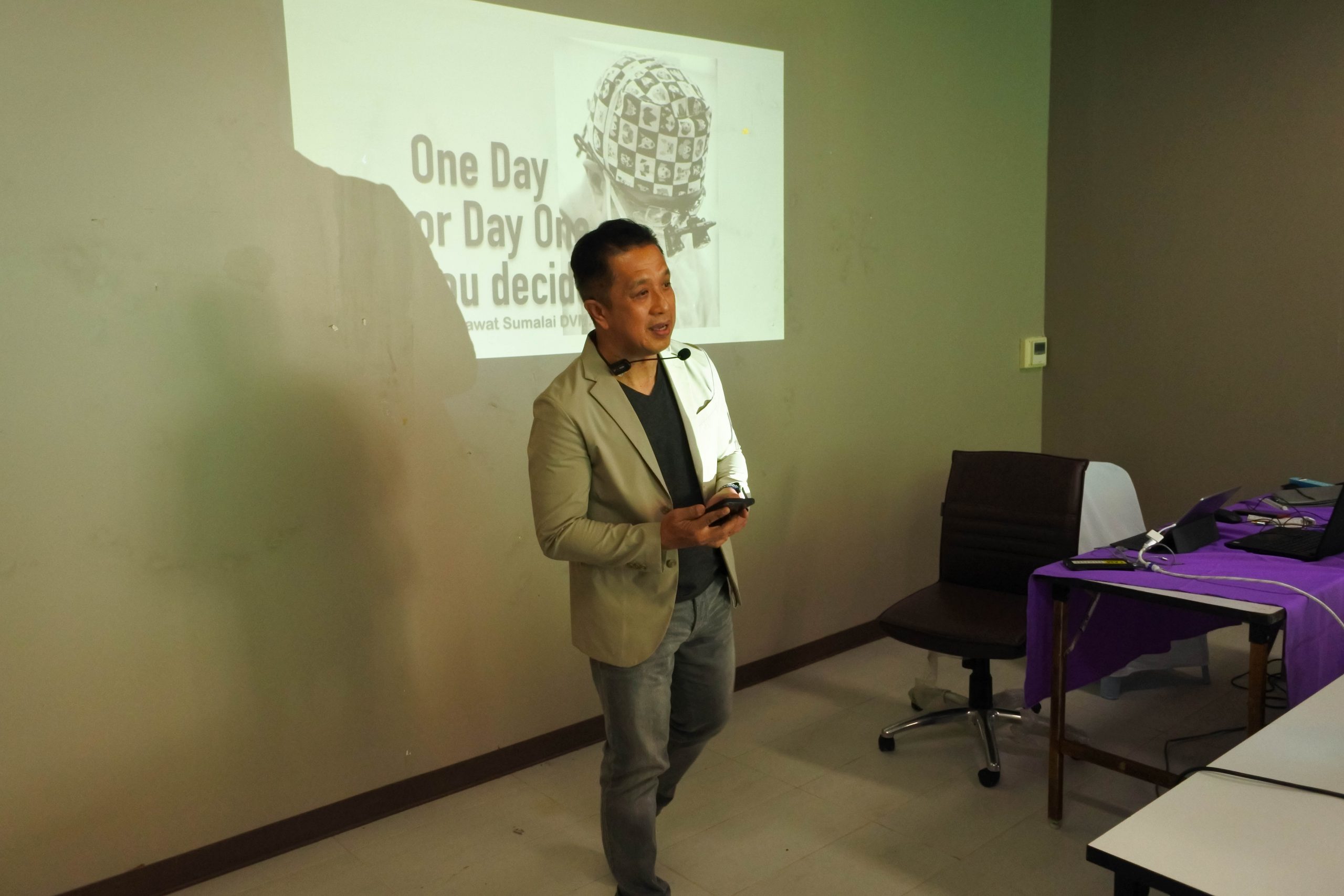
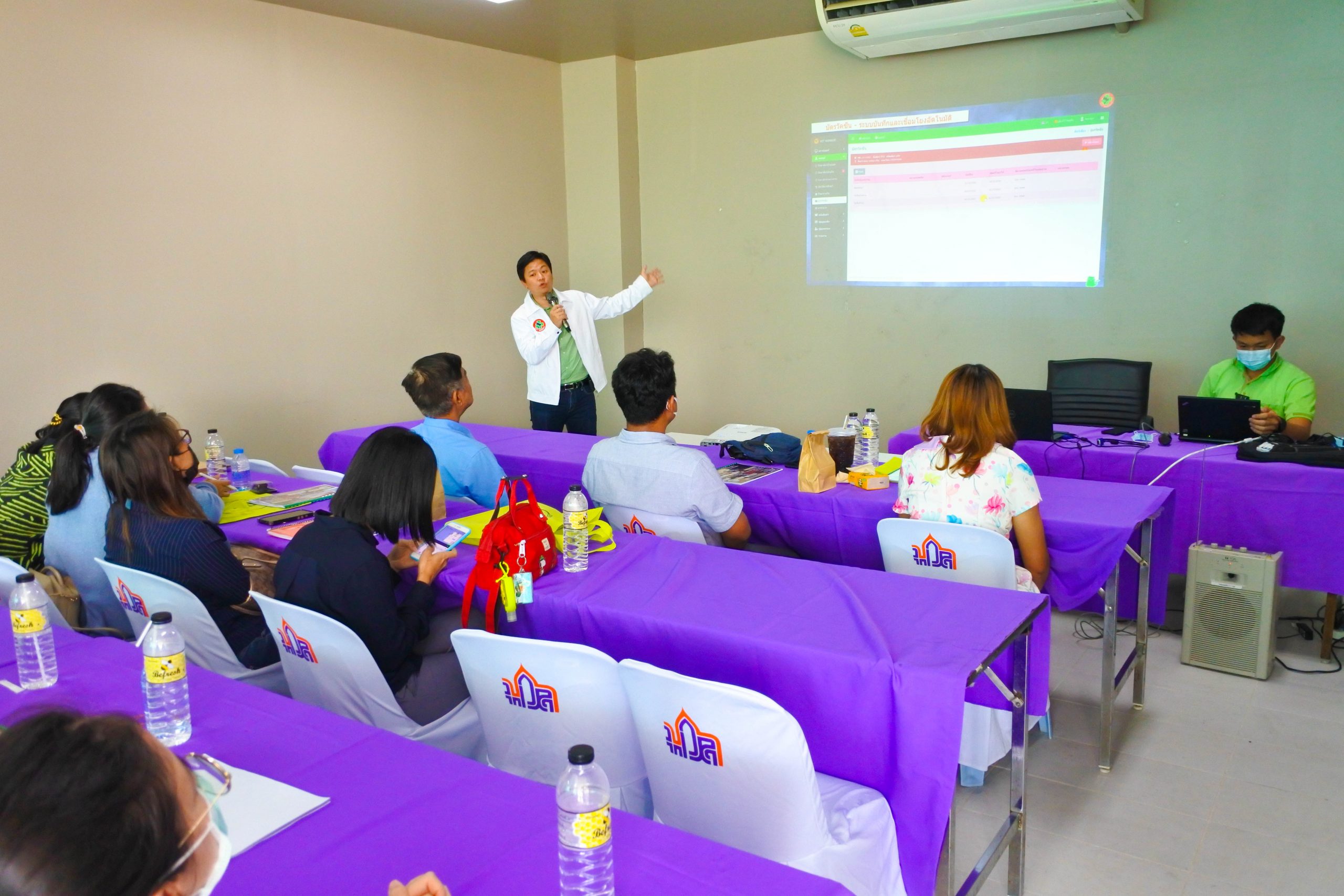
On Monday, 15th March 2021, academic lecturers of AVC, Walailak University participated in the workshop hosted by Assoc. Prof. Kampon Kaeoket, an academic lecturer from Faculty of Veterinary Science, Mahidol Univesity on the topic of “How to think and write a proposal for receiving grants”. This workshop aimed to fulfill the research skills of AVC lecturers and veterinarians and also update knowledge for the upcoming proposal preparation from grant sources. In addition, skills in a research plan and manuscript writing were provided by this workshop.
How to think and write a proposal for receiving grants

AVC’s lecturers including writing manuscripts and journal selection. It has also increased the number of publications conducted by AVC’s lecturers in Scopus

AVC’s lecturers including writing manuscripts and journal selection. It has also increased the number of publications conducted by AVC’s lecturers in Scopus

[pvcp_1]

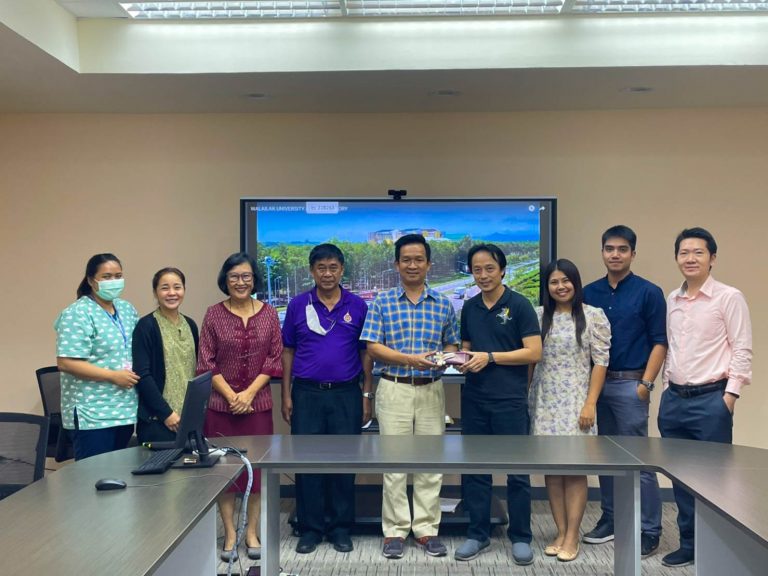
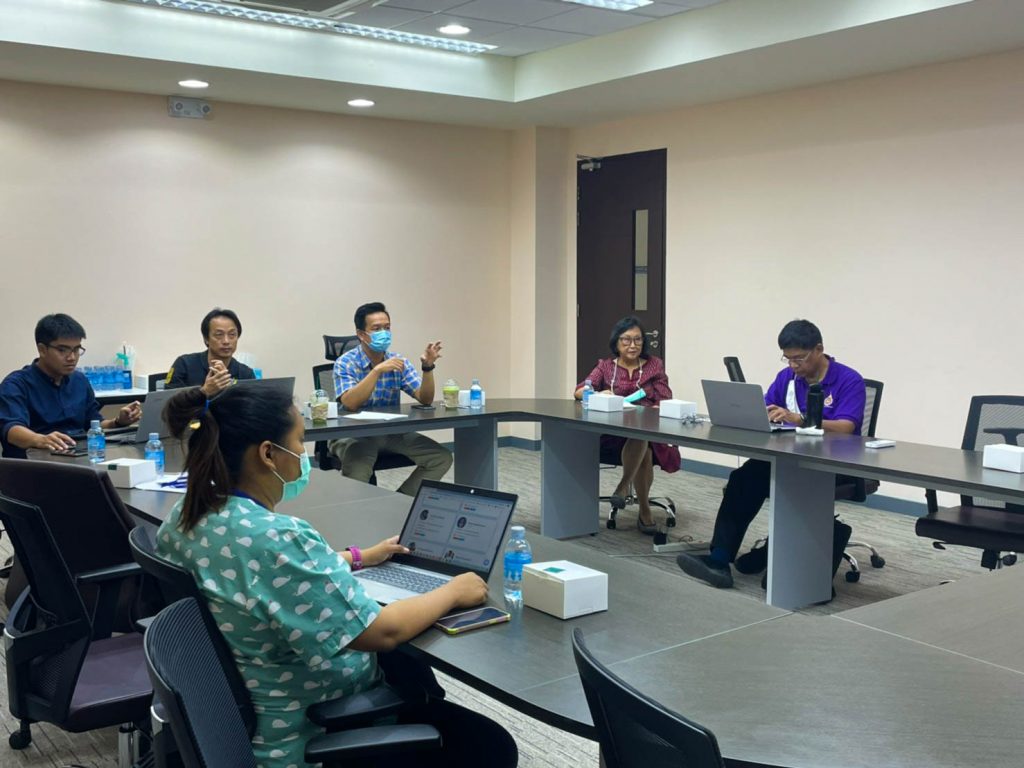
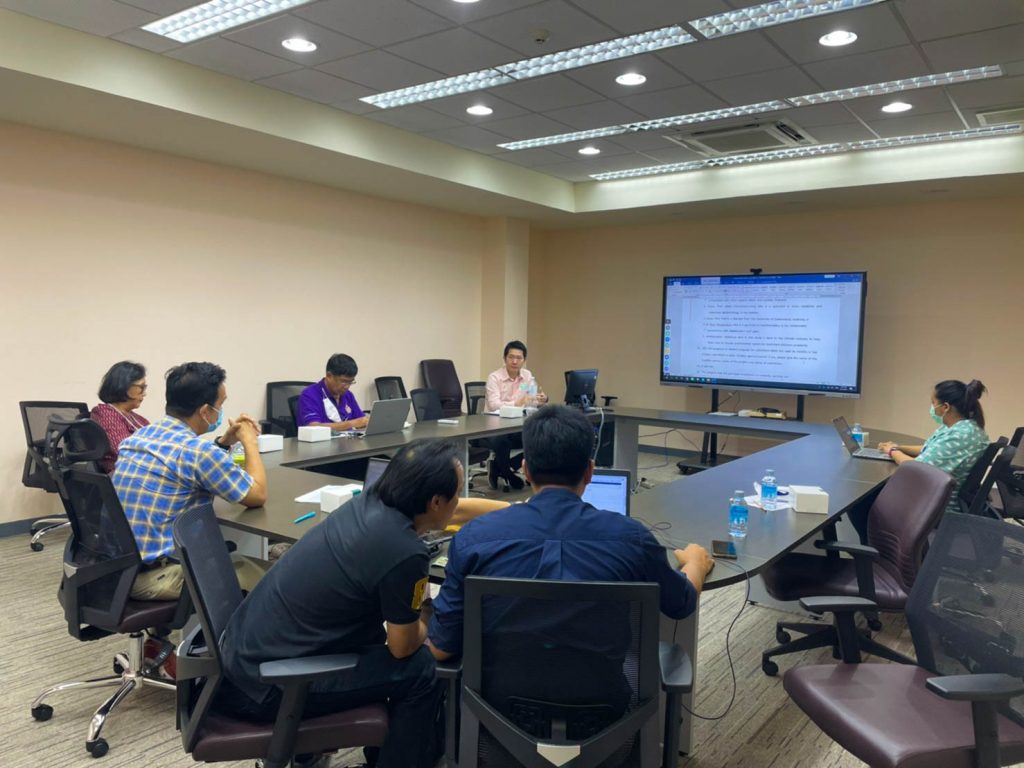
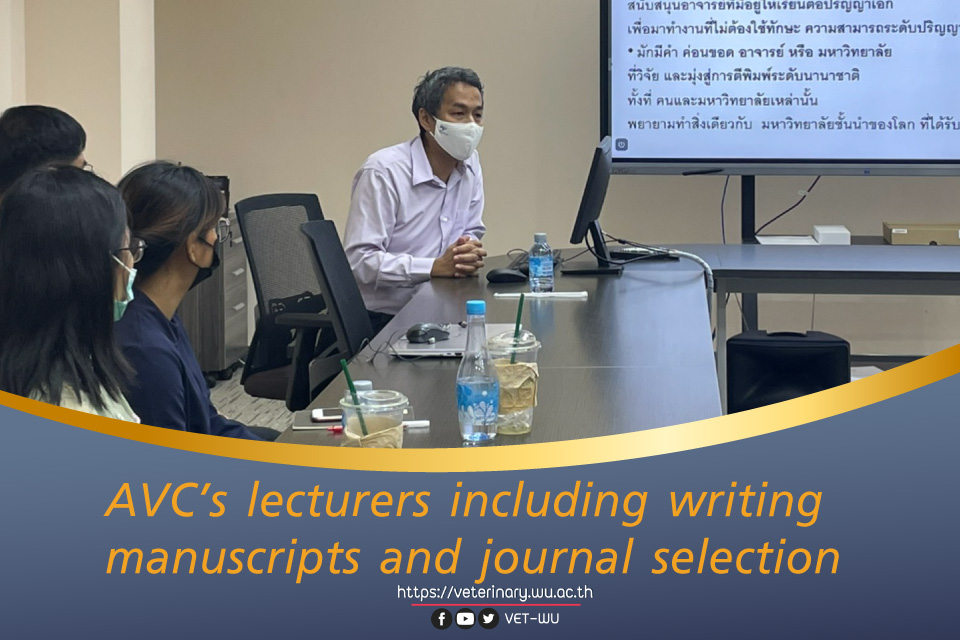
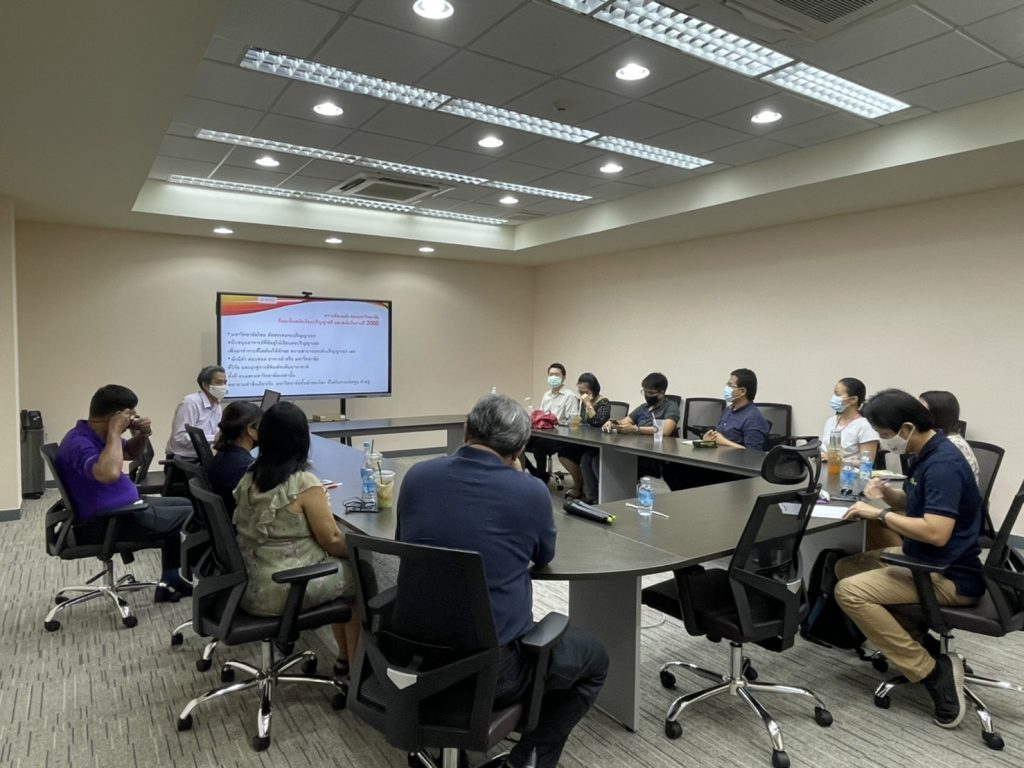
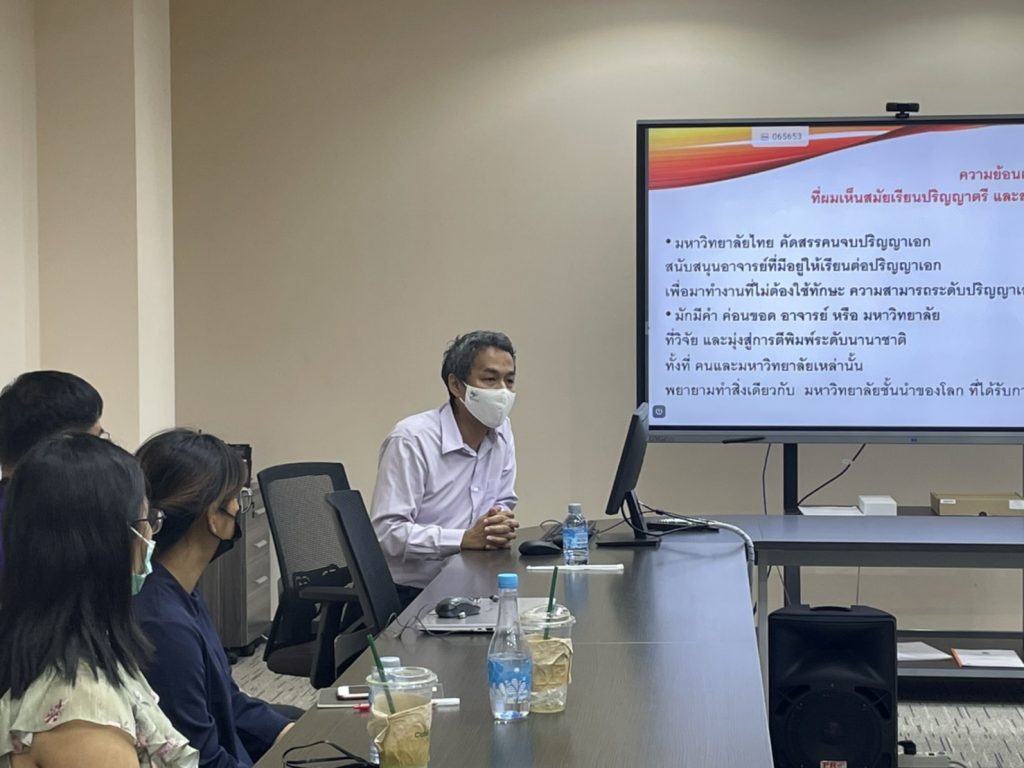
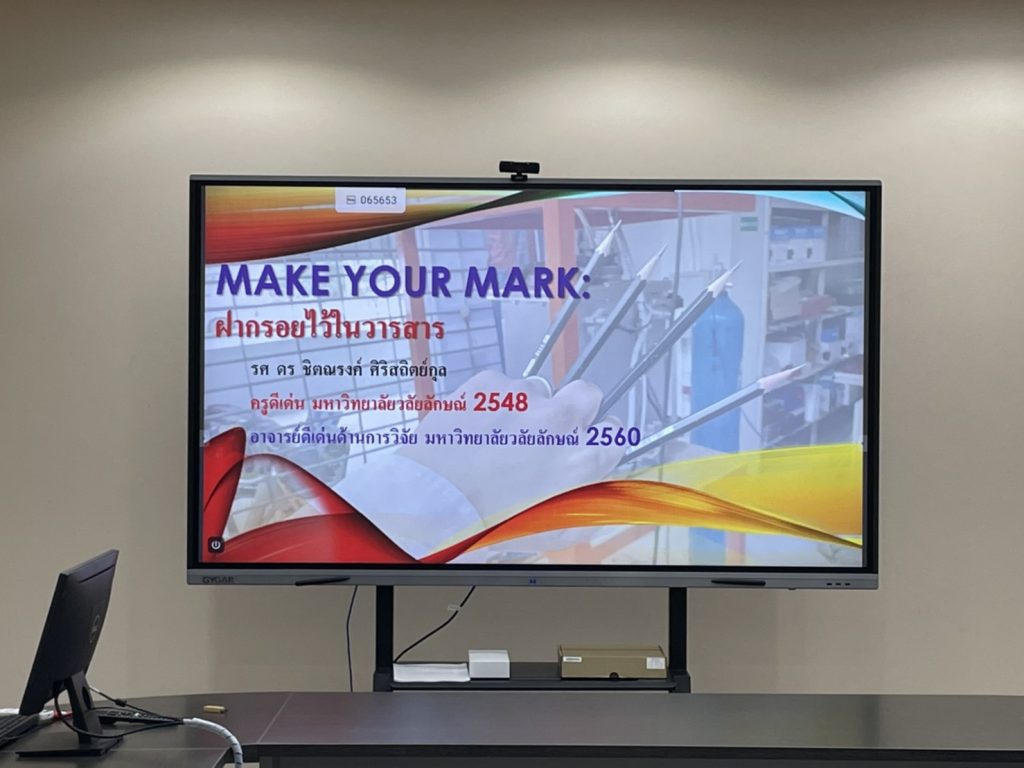
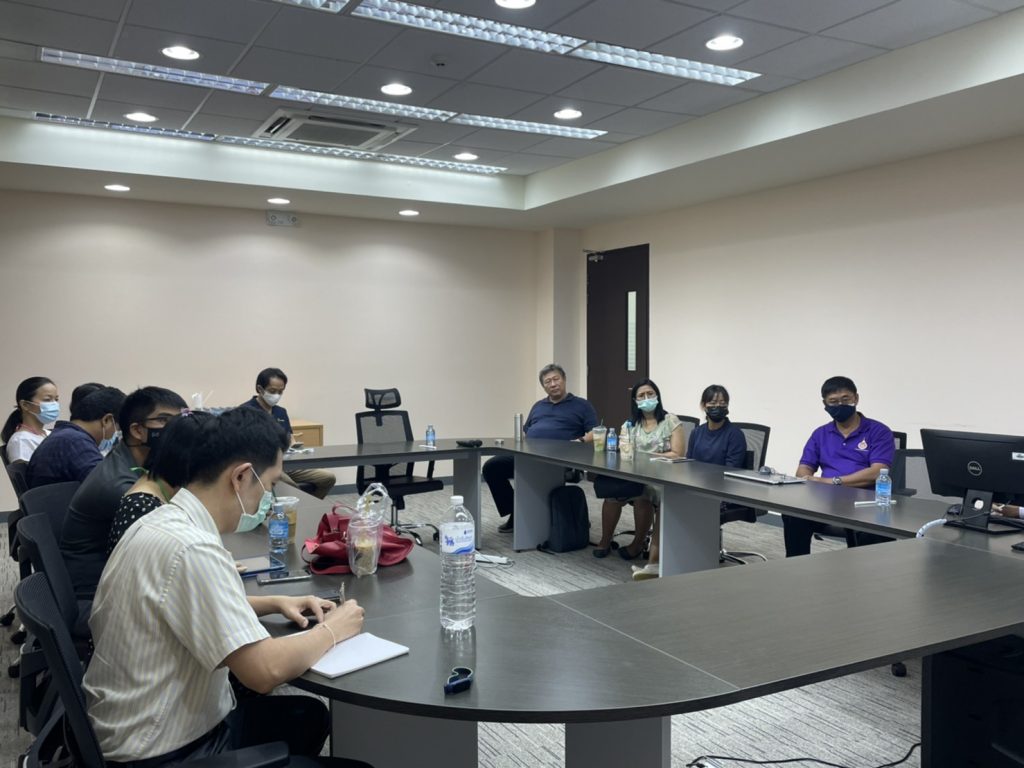
On Friday, 9th April 2021, Academic lecturers of AVC, Walailak University participated in the workshop conducted by Assoc. Prof. Dr. Chitnarong Sirisathitkul – the Lecturer at School of Science, Walailak University. The aim of this workshop was to increase research skill of AVC’s lecturers including writing manuscripts and journal selection. It has also increased the number of publications conducted by AVC’s lecturers in Scopus.
AVC’s lecturers including writing manuscripts and journal selection. It has also increased the number of publications conducted by AVC’s lecturers in Scopus

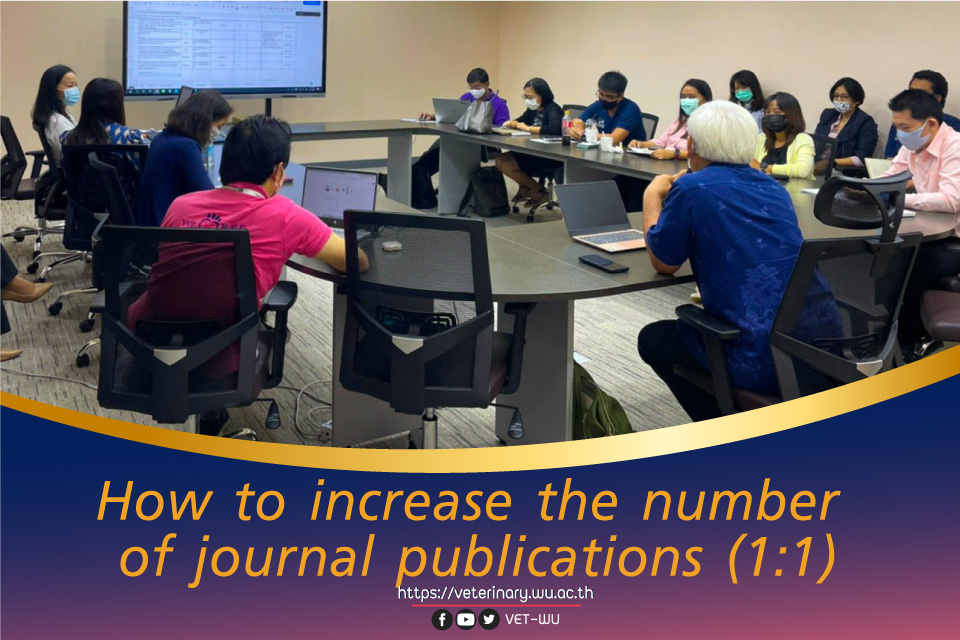
How to increase the number of journal publications (1:1)

How to increase the number of journal publications (1:1)

[pvcp_1]
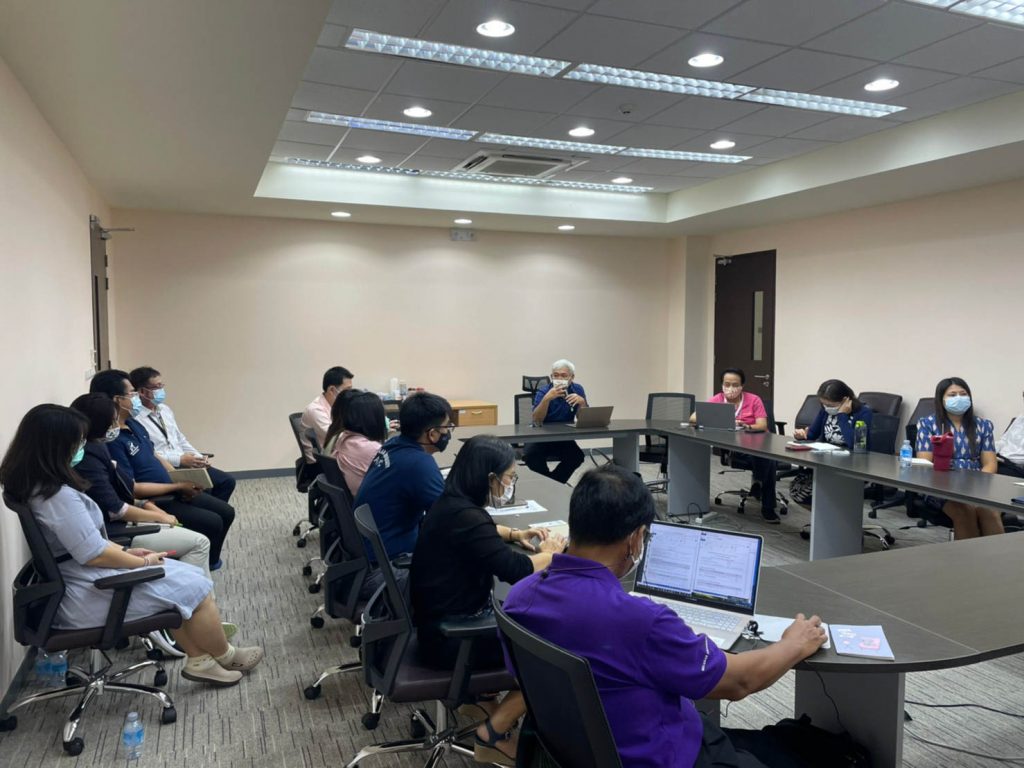
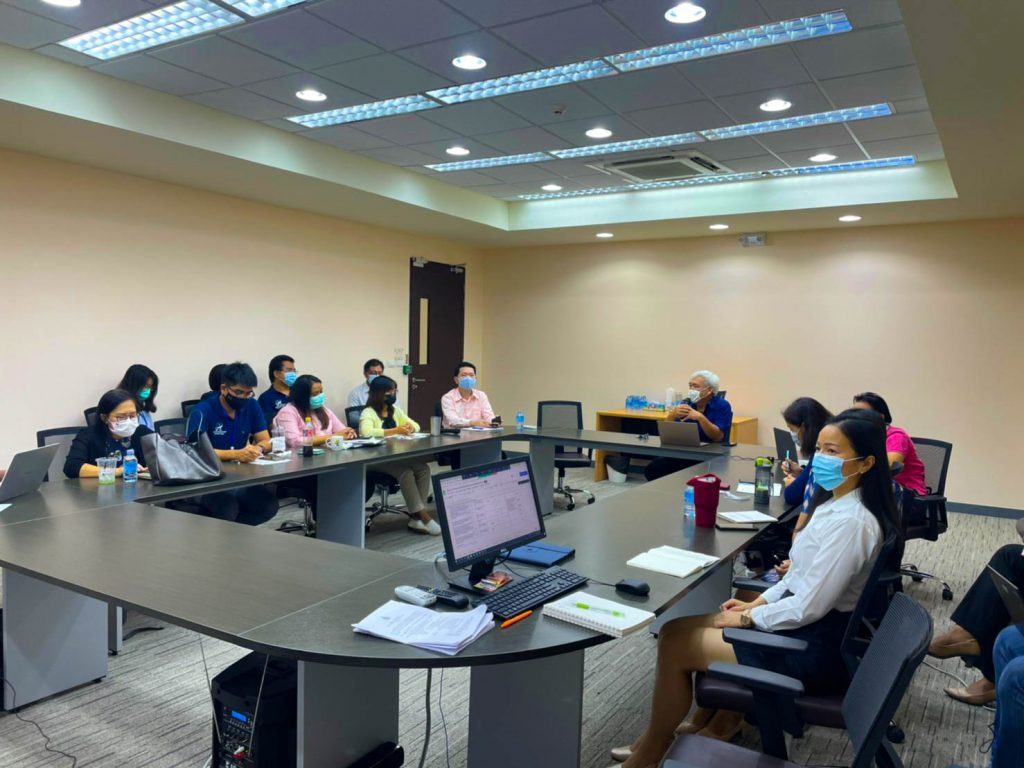
On Tuesday, 11th May 2021, Academic lecturers of AVC, Walailak University brainstormed how to increase the number of journal publications (1:1). Prof. Clinic. Dr. Suvichai Rojanasathien, dean of AVC was the chair of the committee of this meeting which aimed to support academic lecturers to publish in a journal in SCOPUS database.
โครงการระดมสมองเพื่อเพิ่มศักยภาพการตีพิมพ์บทความวิชาการ” (PUBLICATION 1:1)

Morning Round

[pvcp_1]
นักศึกษาสัตวแพทย์ ร่วม Morning Round ณ โรงพยาบาลสัตว์เล็ก
Lecturers, veterinarians, and 3rd-year students of AVC join a morning round session every day. Sick animals have been reported. Treatment guidelines, a summary of treatment results, and another treatment suggestion have been brainstormed to find the best solution in treating sick animals in the wards of the AVC's animal hospital. Students of the college came to learn the work of the faculty and the veterinary team closely.
นักศึกษาสัตวแพทย์ ร่วม Morning Round ณ โรงพยาบาลสัตว์เล็ก
Morning Round

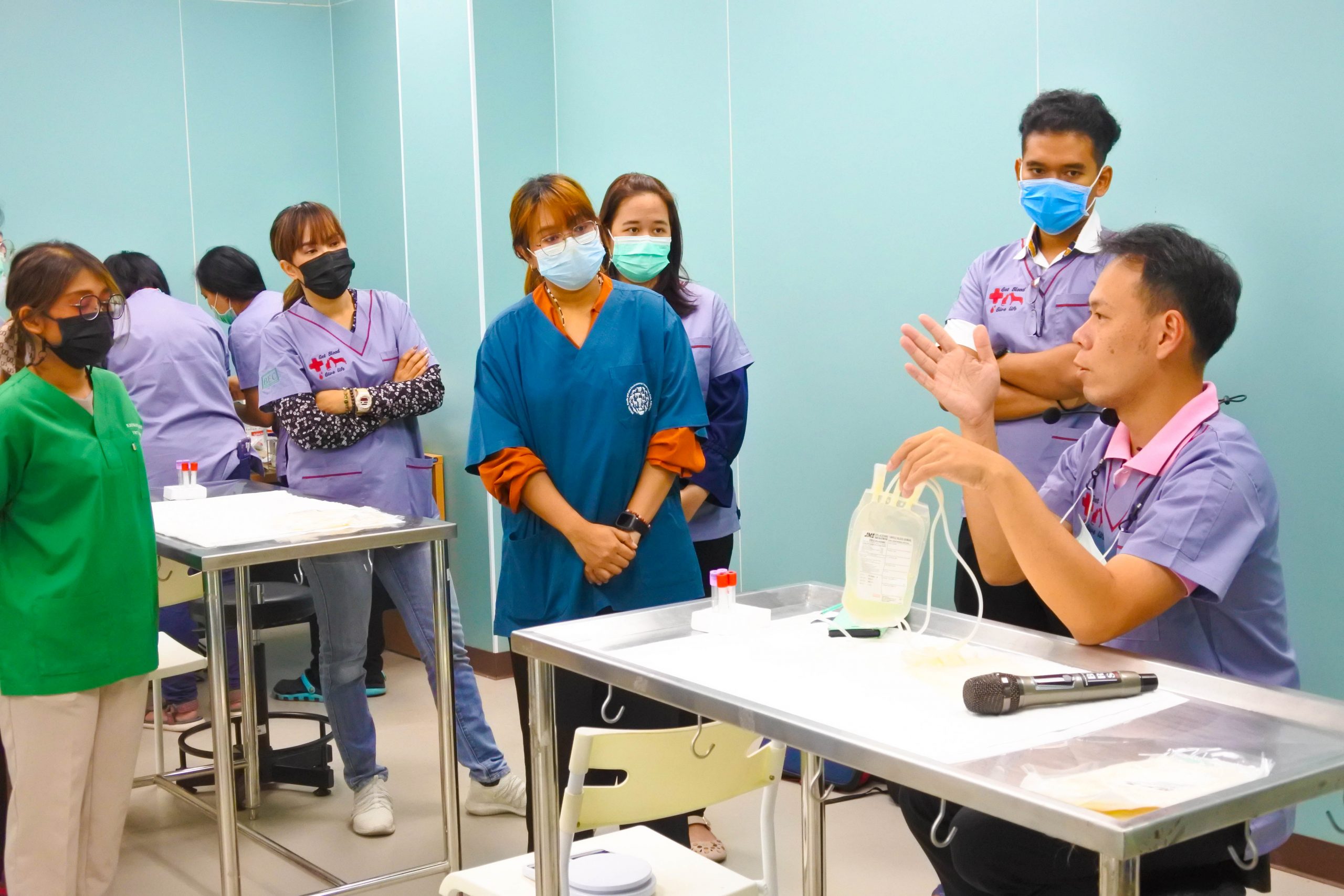
Get Blood Give life

[pvcp_1]
Get Blood Give life
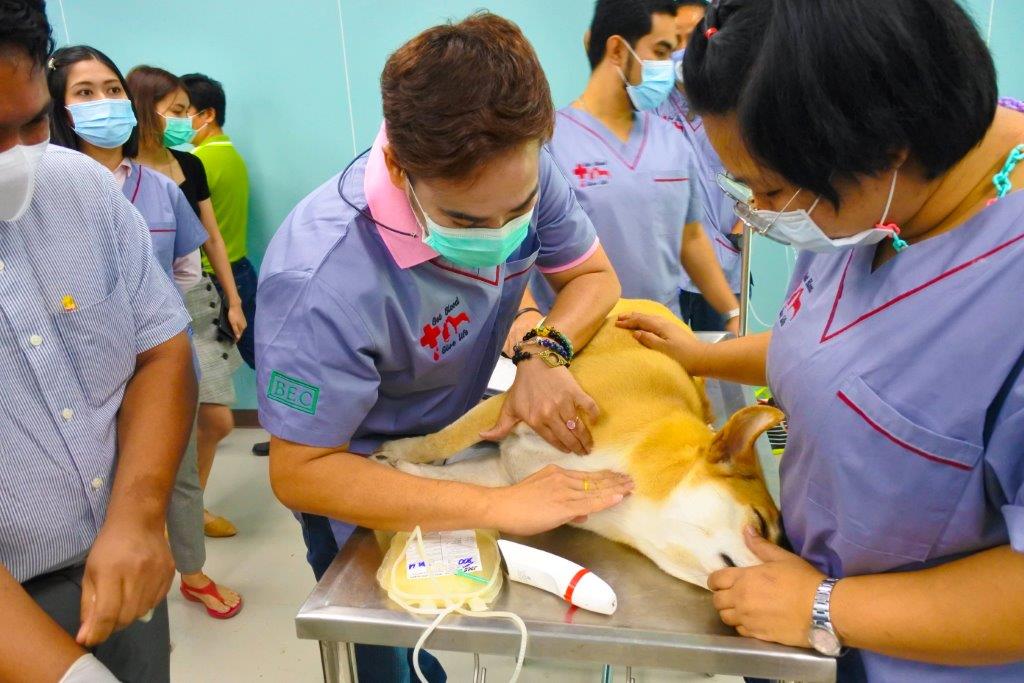
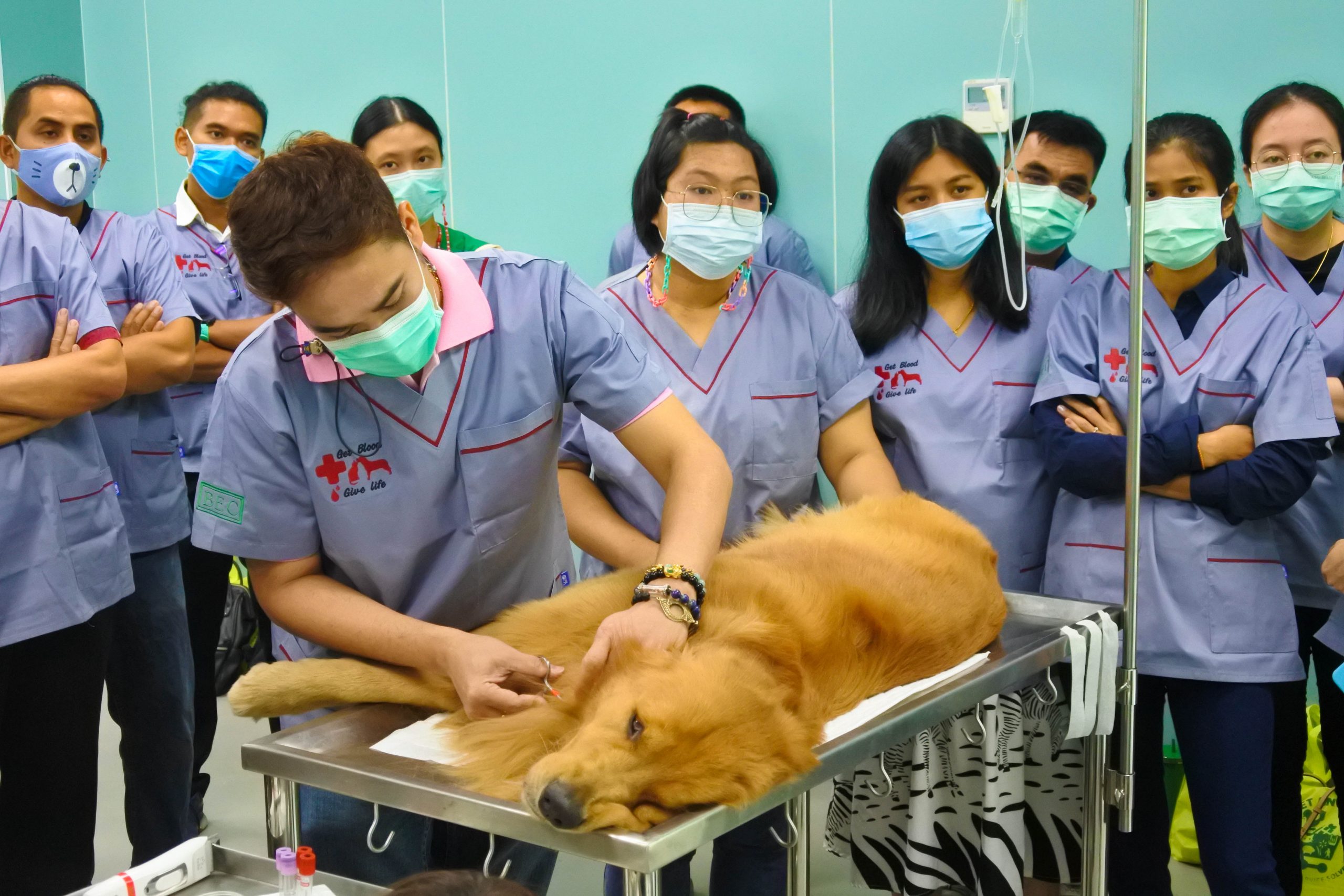
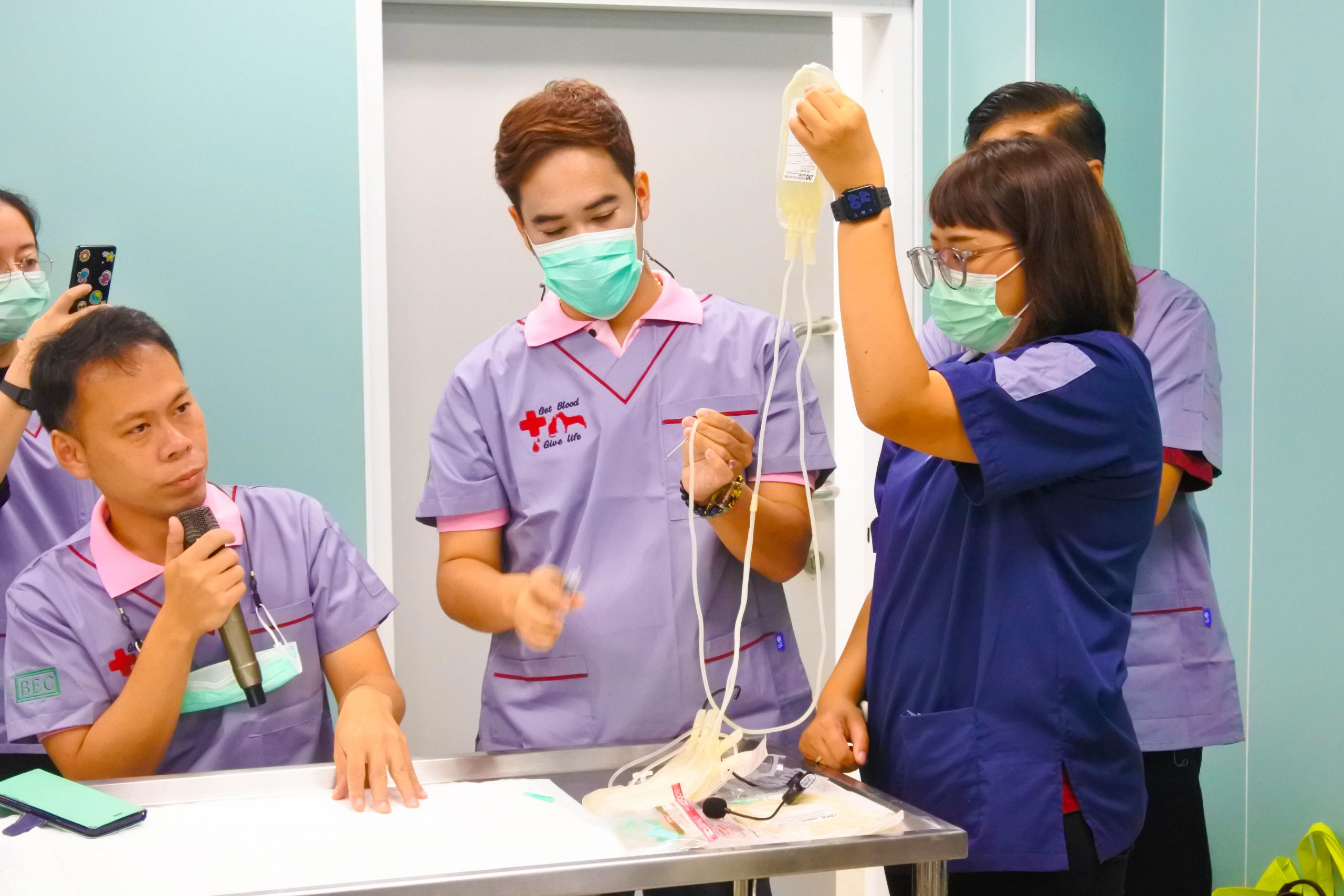
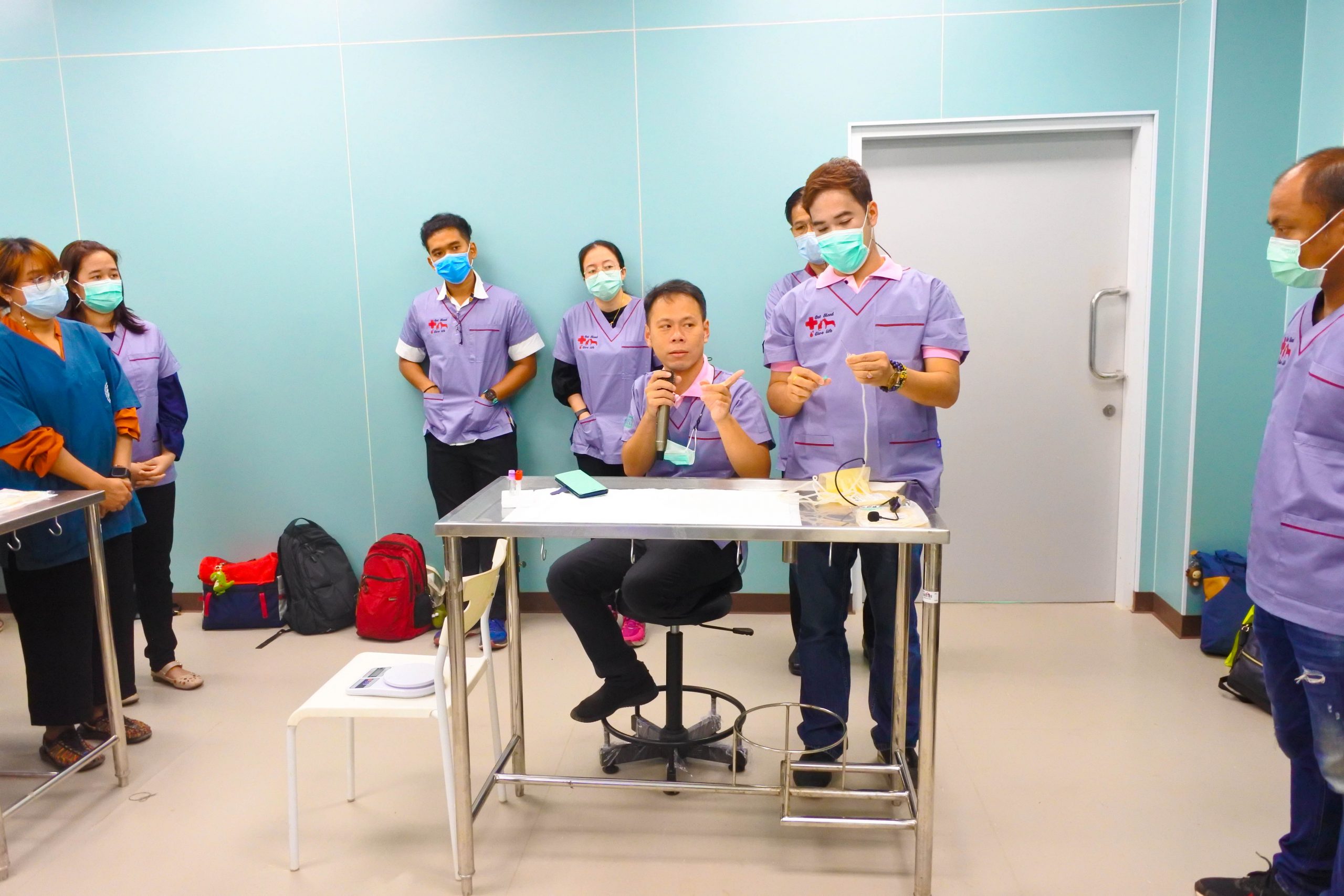
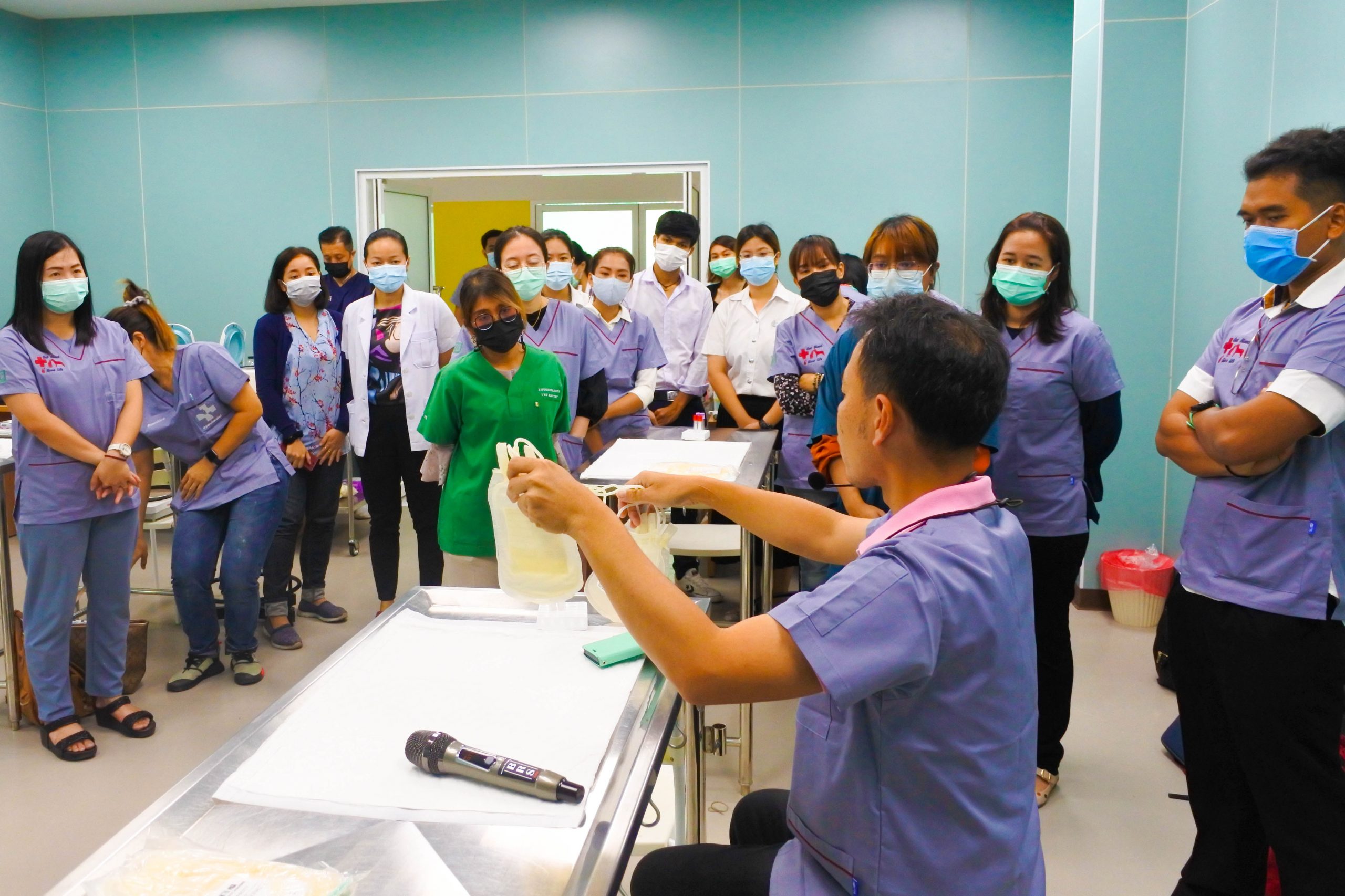
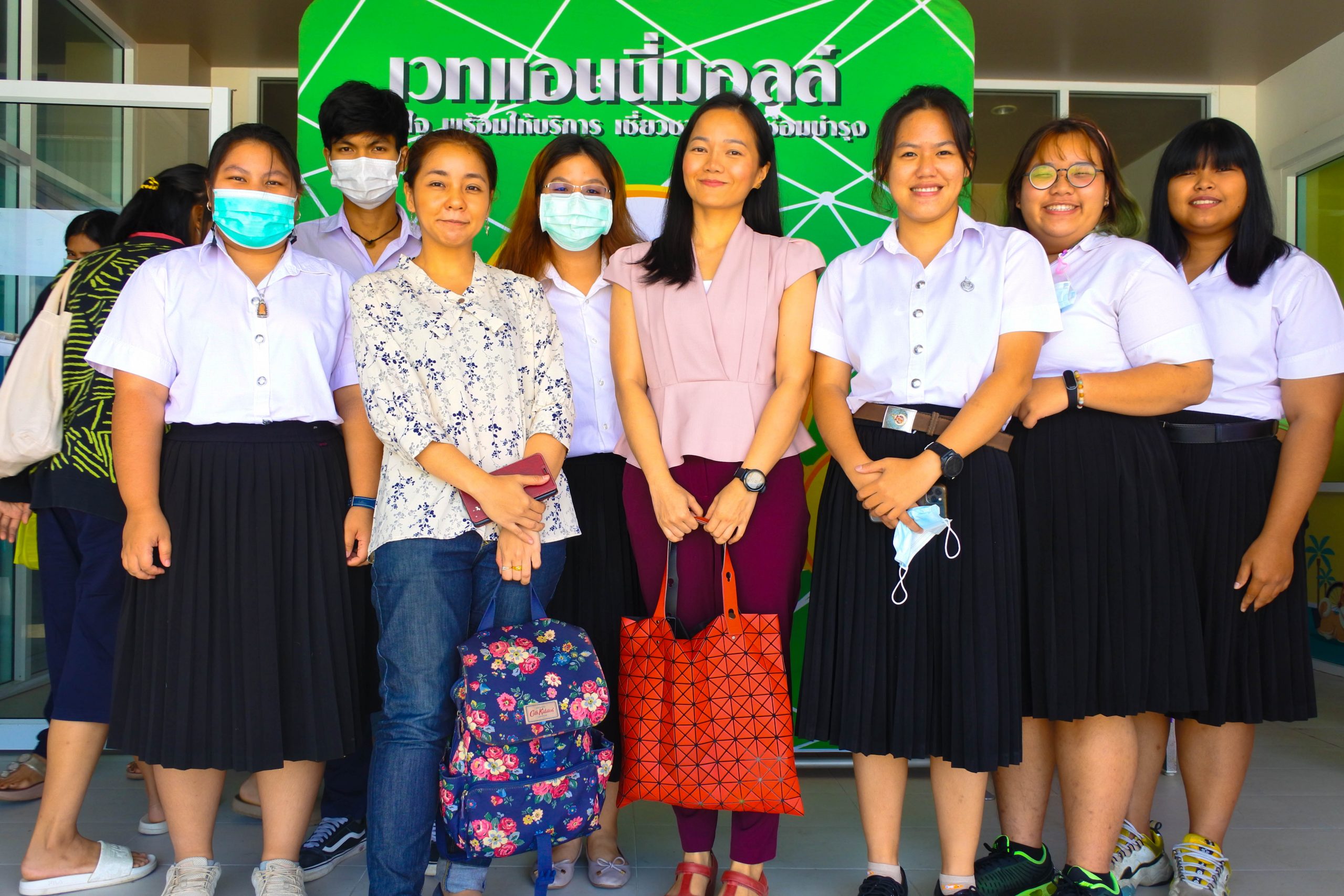
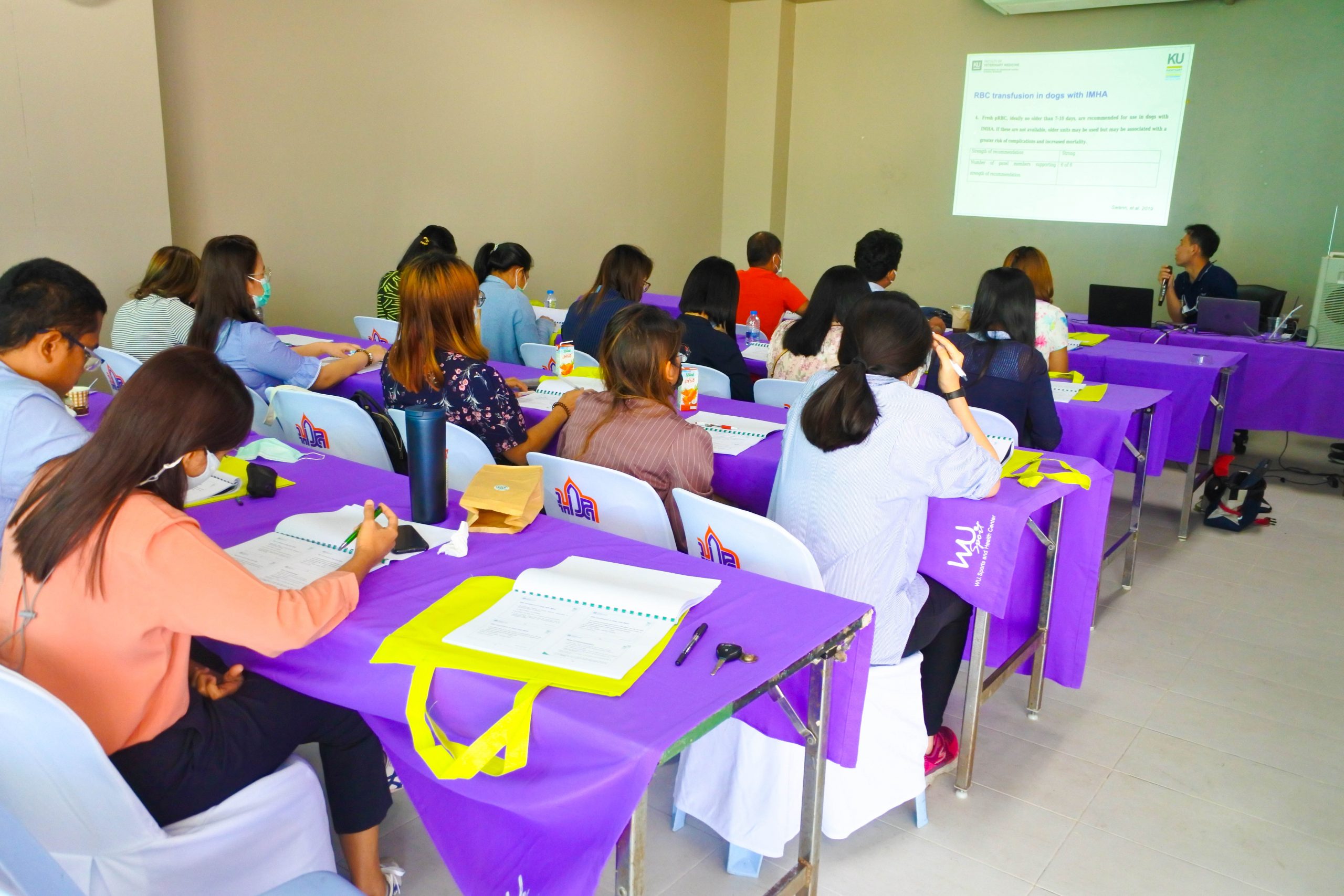
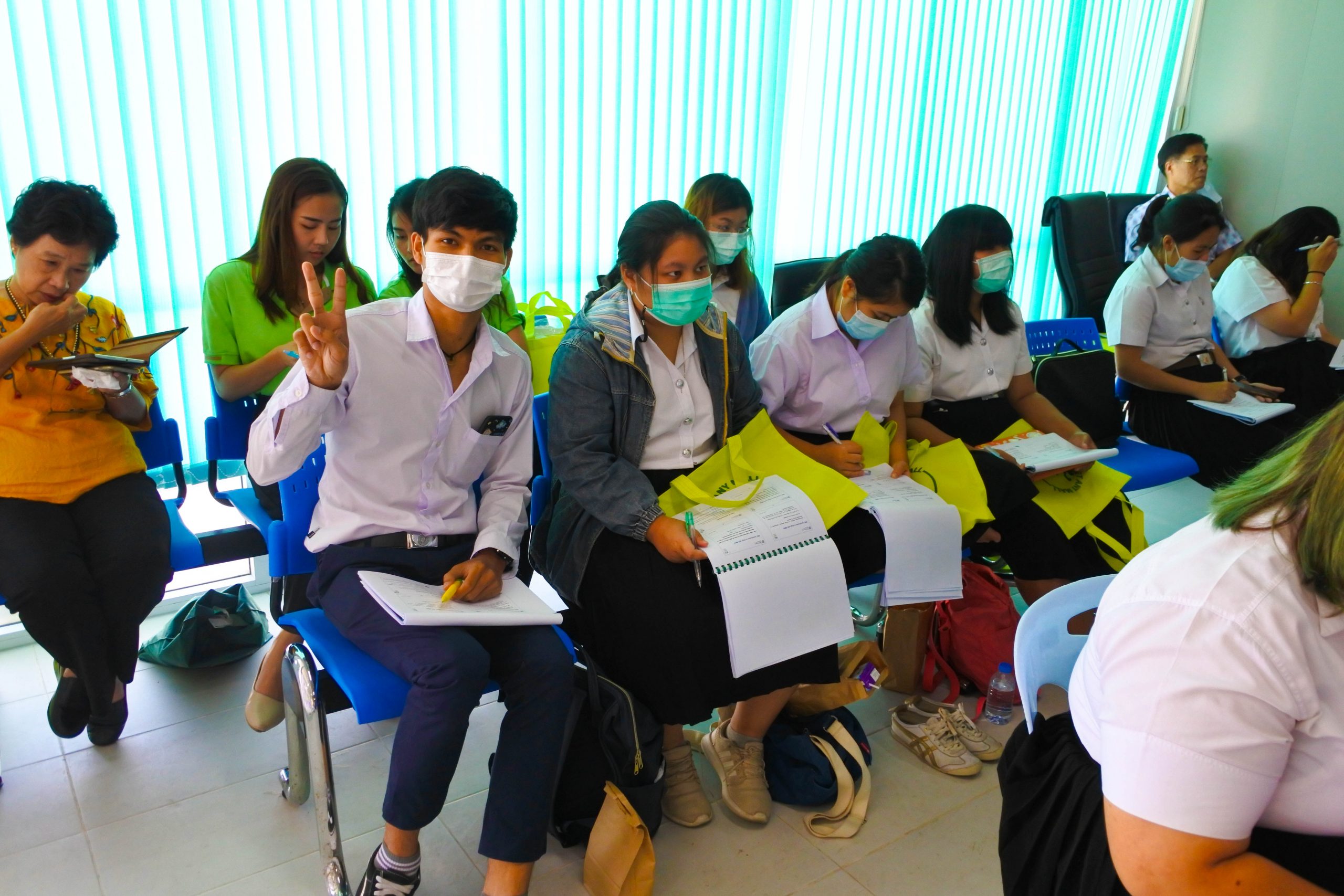
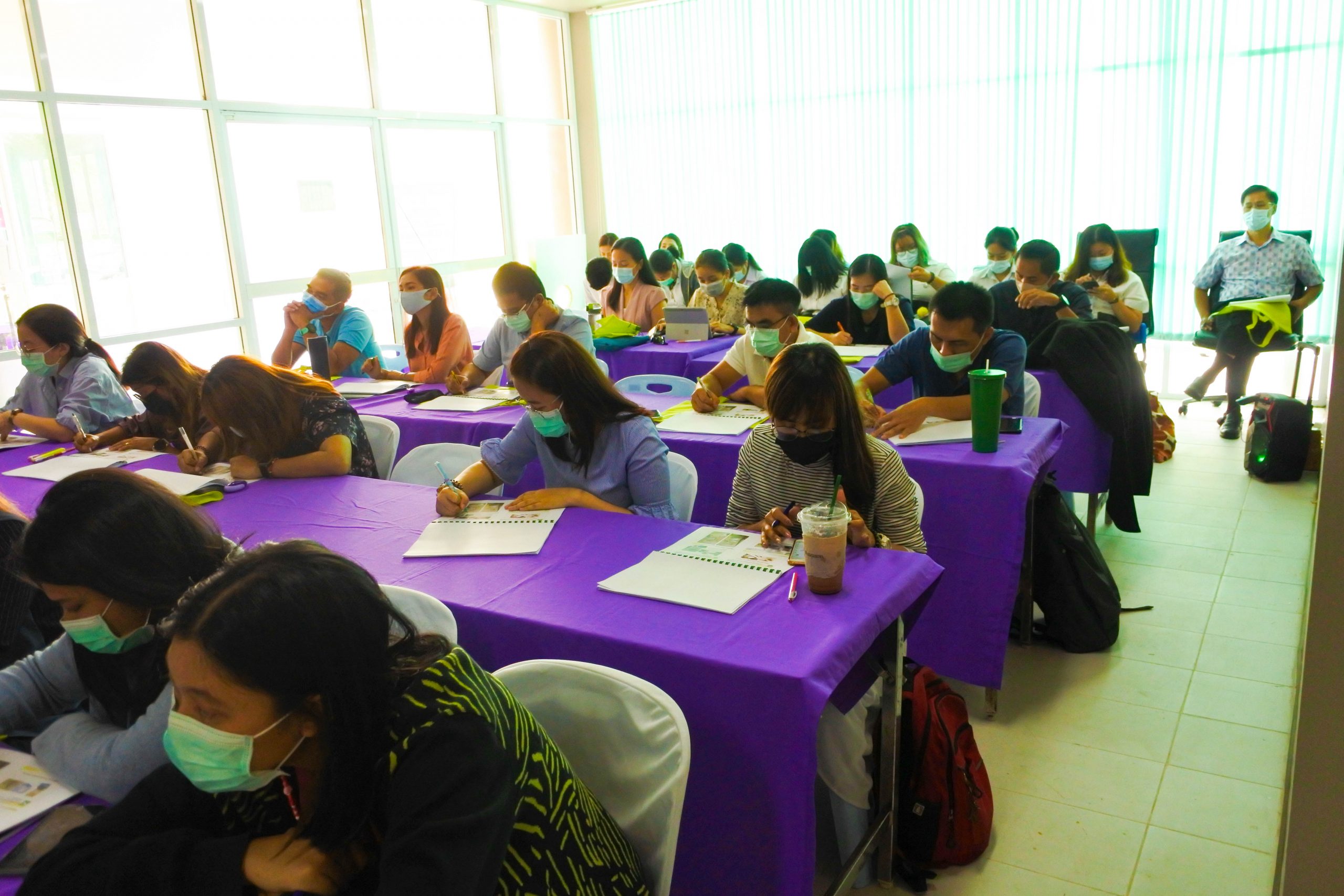
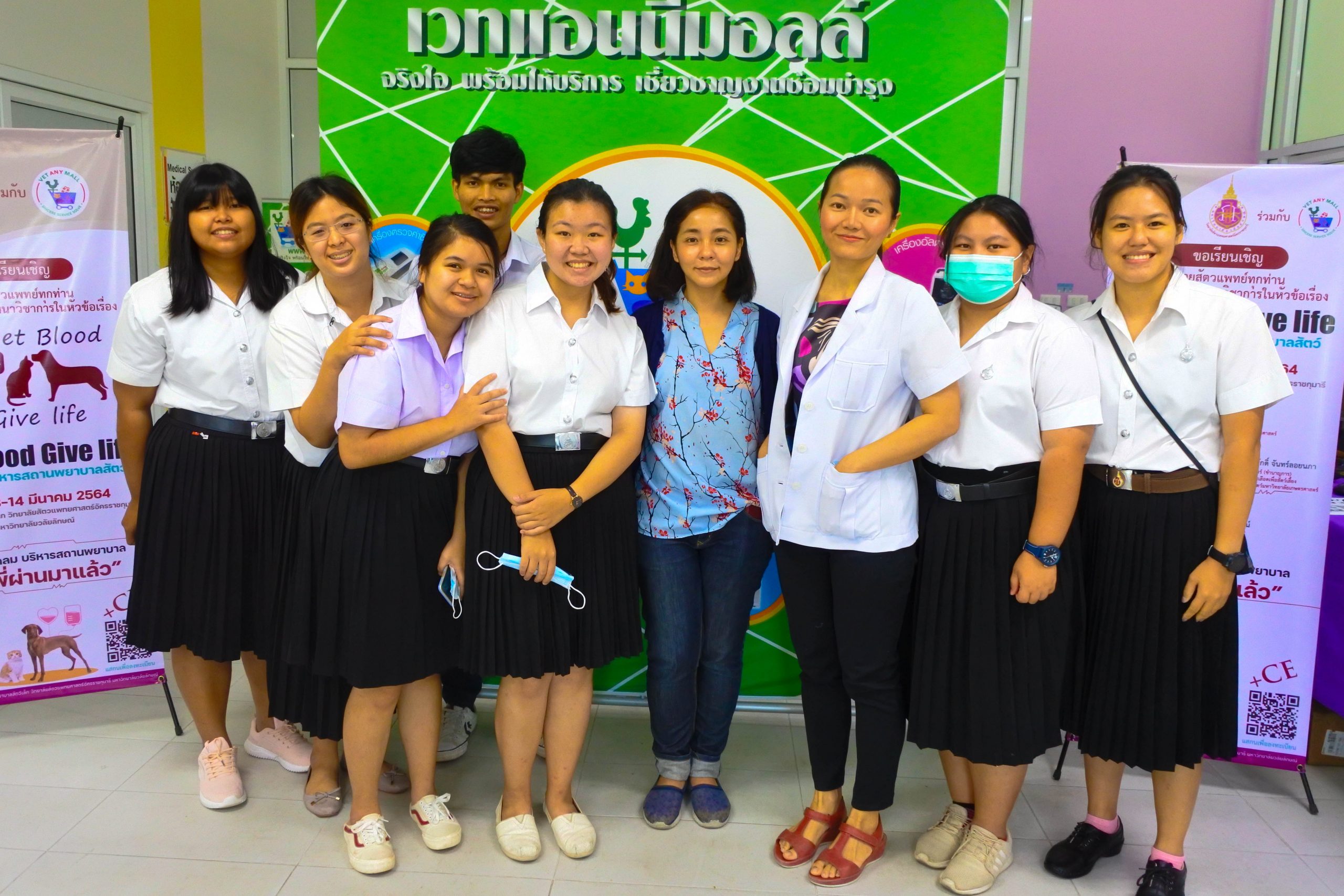
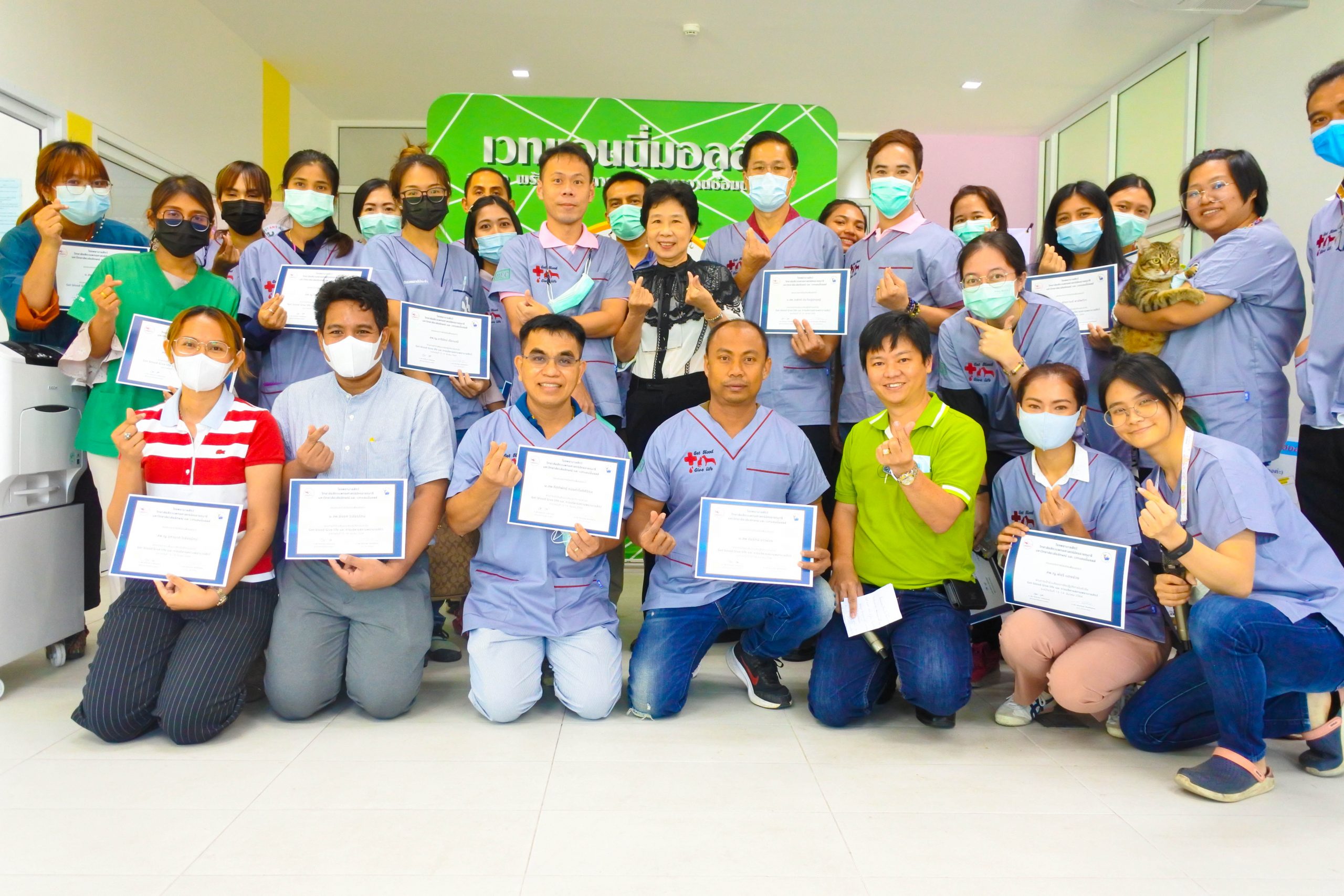
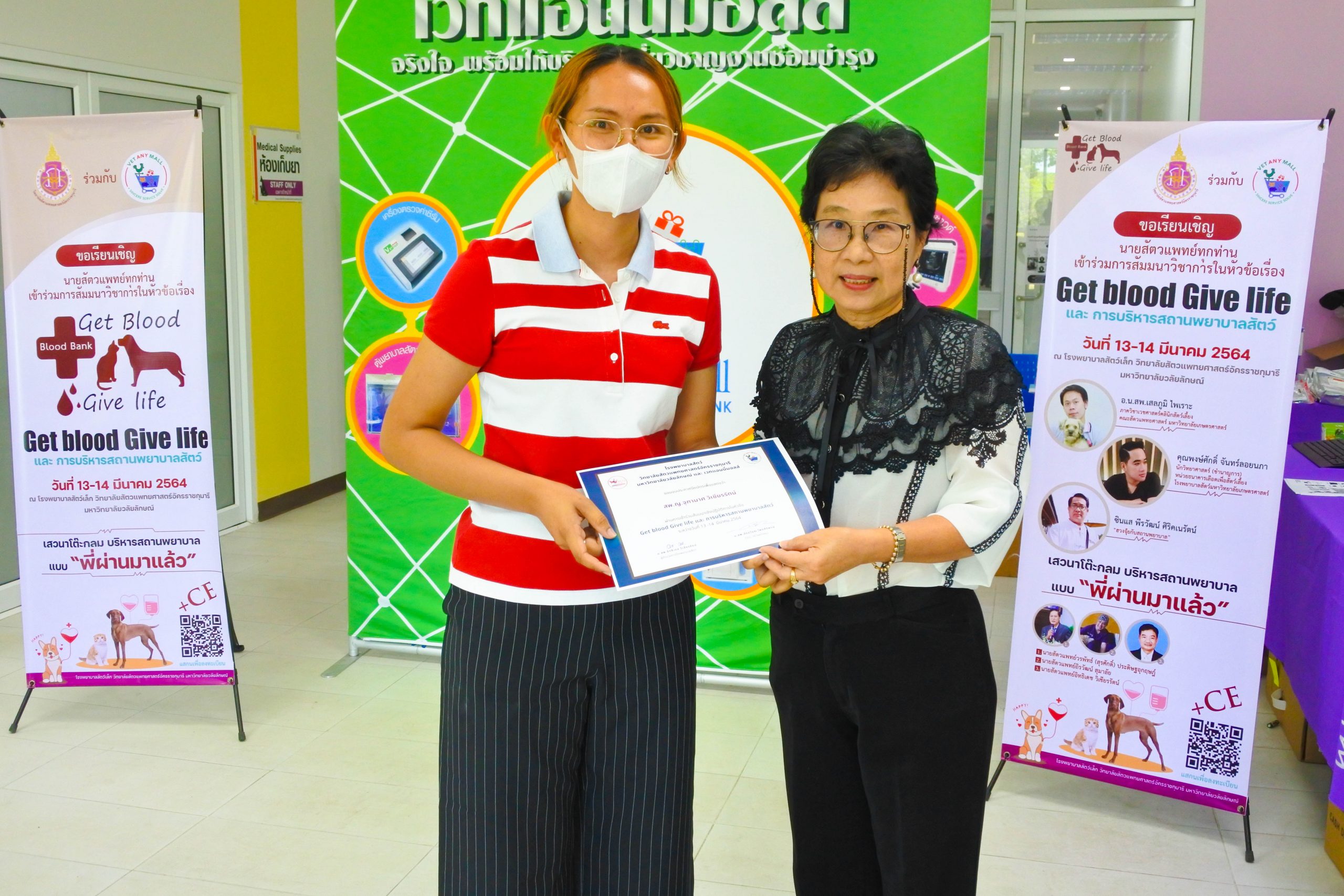
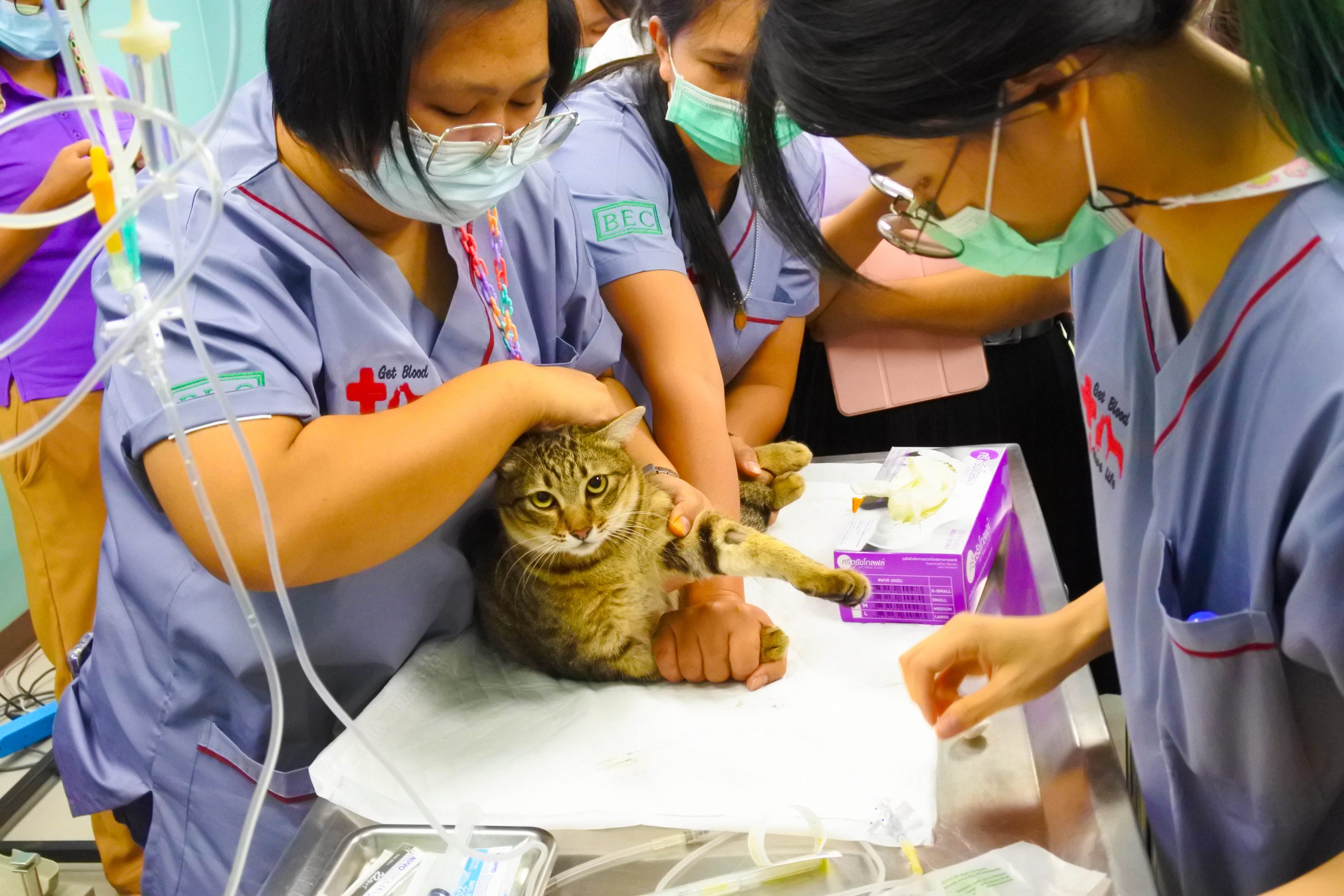
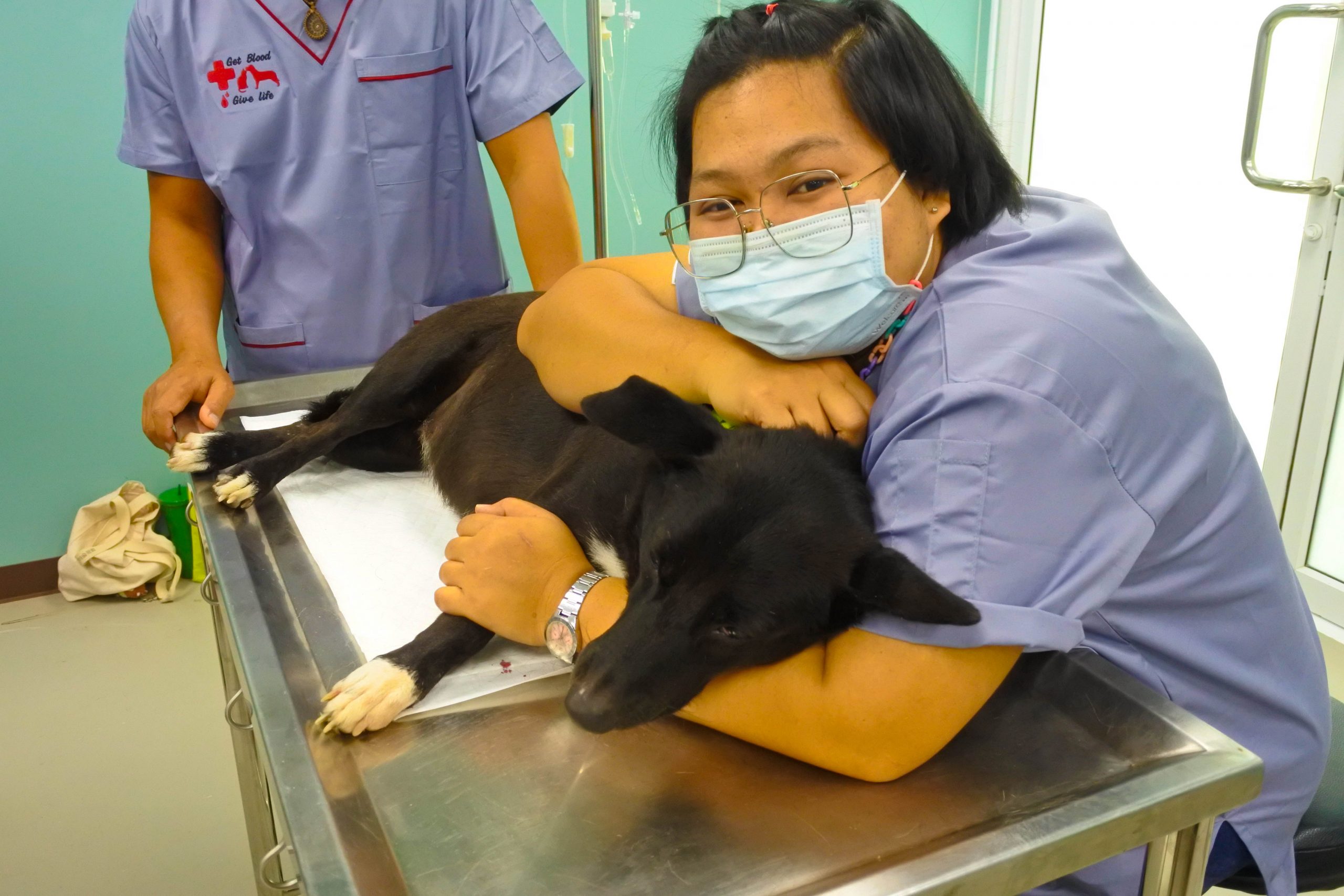
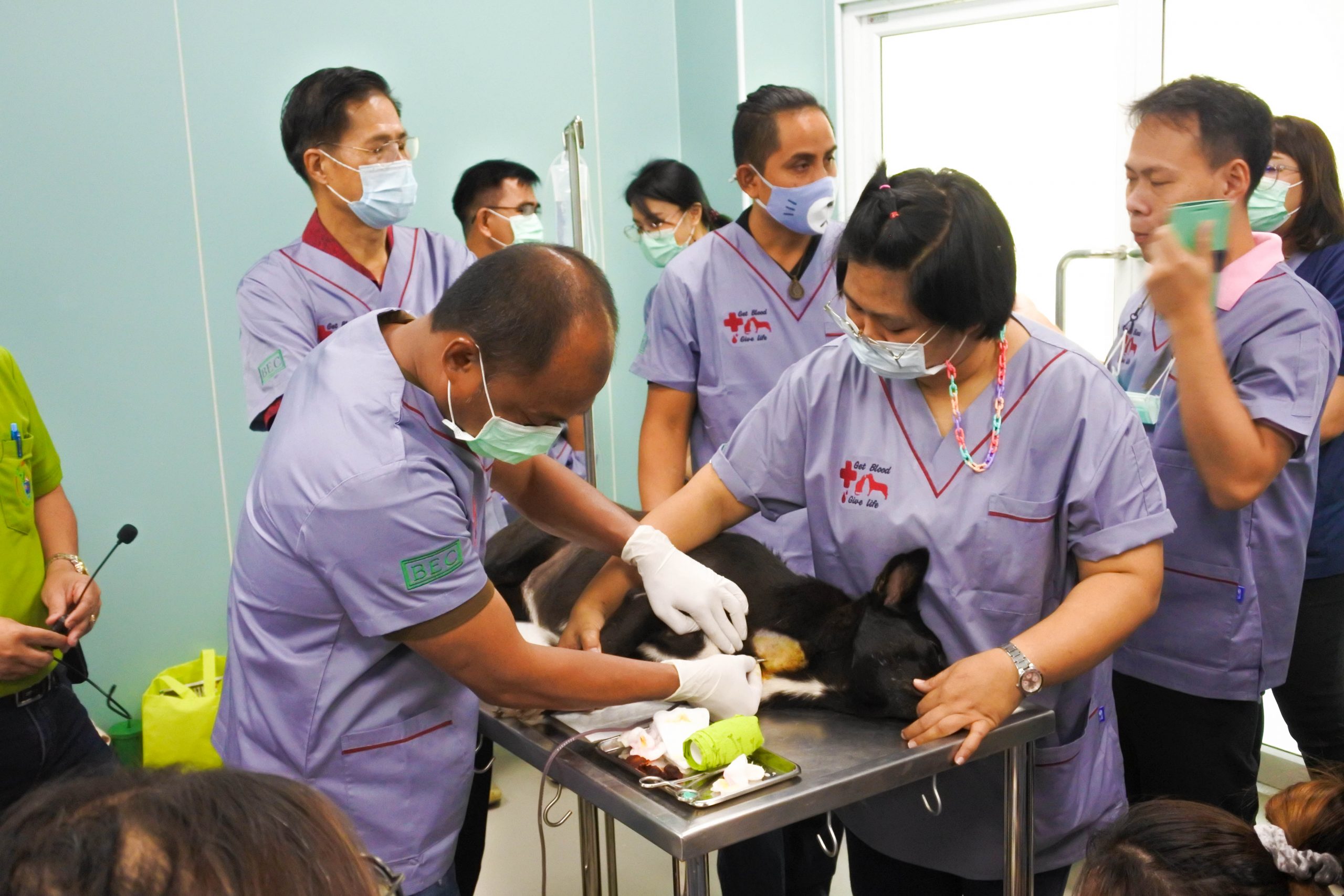
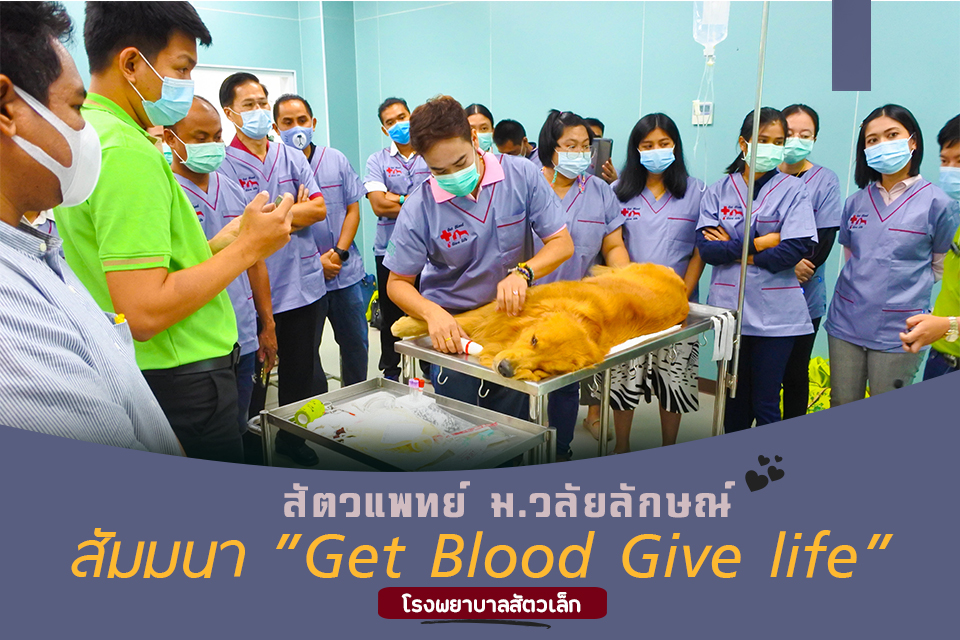
“Get blood Give life และการบริหารสถานพยาบาลสัตว์” was held during 13rd -14th March 2021. This project was an academic service for veterinarians who work in small animal hospitals in the southern part of Thailand. Asst. Prof. Dr. Chaiwat Boonkaewwan was the head of the project. There were seventy veterinarians attending the lecture course and ten veterinarians participating in the workshop. This project was organized in response to the 20-year strategic plan of Walailak University in terms of academic services and the Sustainable Development Goals of the United Nations - Goal Number 4, “Ensuring that everyone has an inclusive and equal quality education”. The purpose of this project was to provide academic and veterinary skills for all participants, such as techniques for blood collection in dogs and cats, blood group tests, whole blood storage and preservation, and blood transfusion method in dogs and cats. All participants received knowledge and techniques from experts who had many experiences in this field. All seventy veterinarians attended the course, had discussions, and observed the demonstrated cases in a one-day training course. However, ten veterinarians who attended a two-day workshop had practice their skills in laboratory and blood transfusion techniques. All sessions and activities are expected to benefit all participants in their future and how to replace blood lost in many conditions, such as illness prevention in animals, surgery, or injury. This activity ensures that everyone has an inclusive and equal quality education.

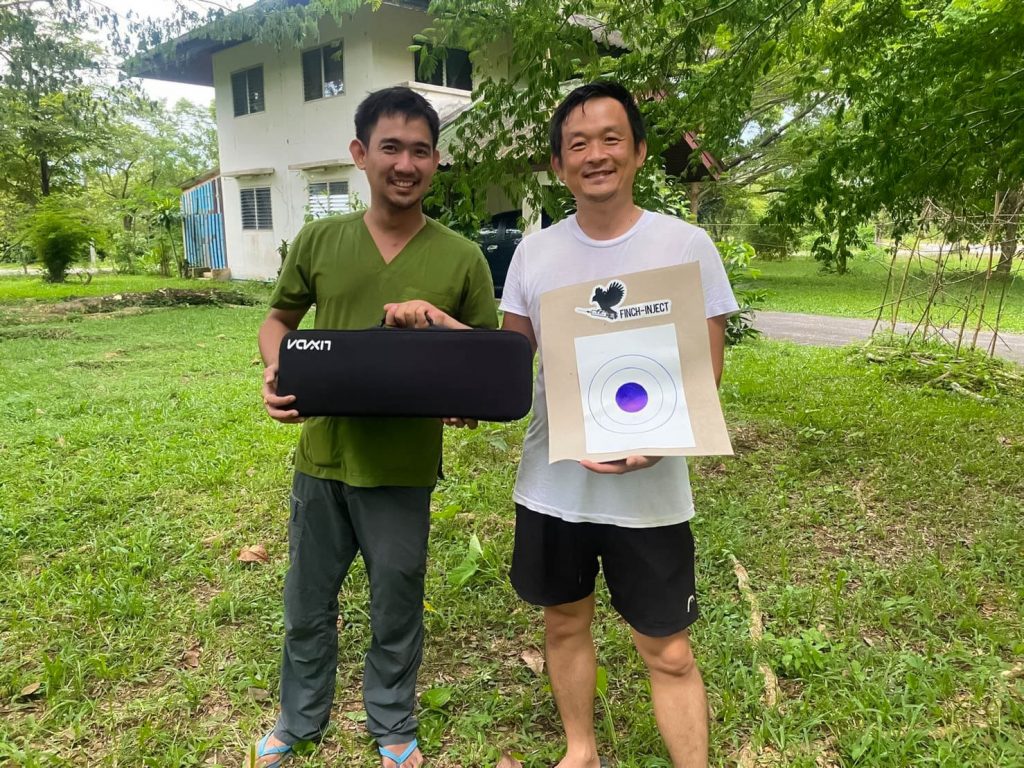
Finch - Inject Co. LTD. visited AVC vet and donated a dart pistol to Elephant and Wild Animal Clinic.

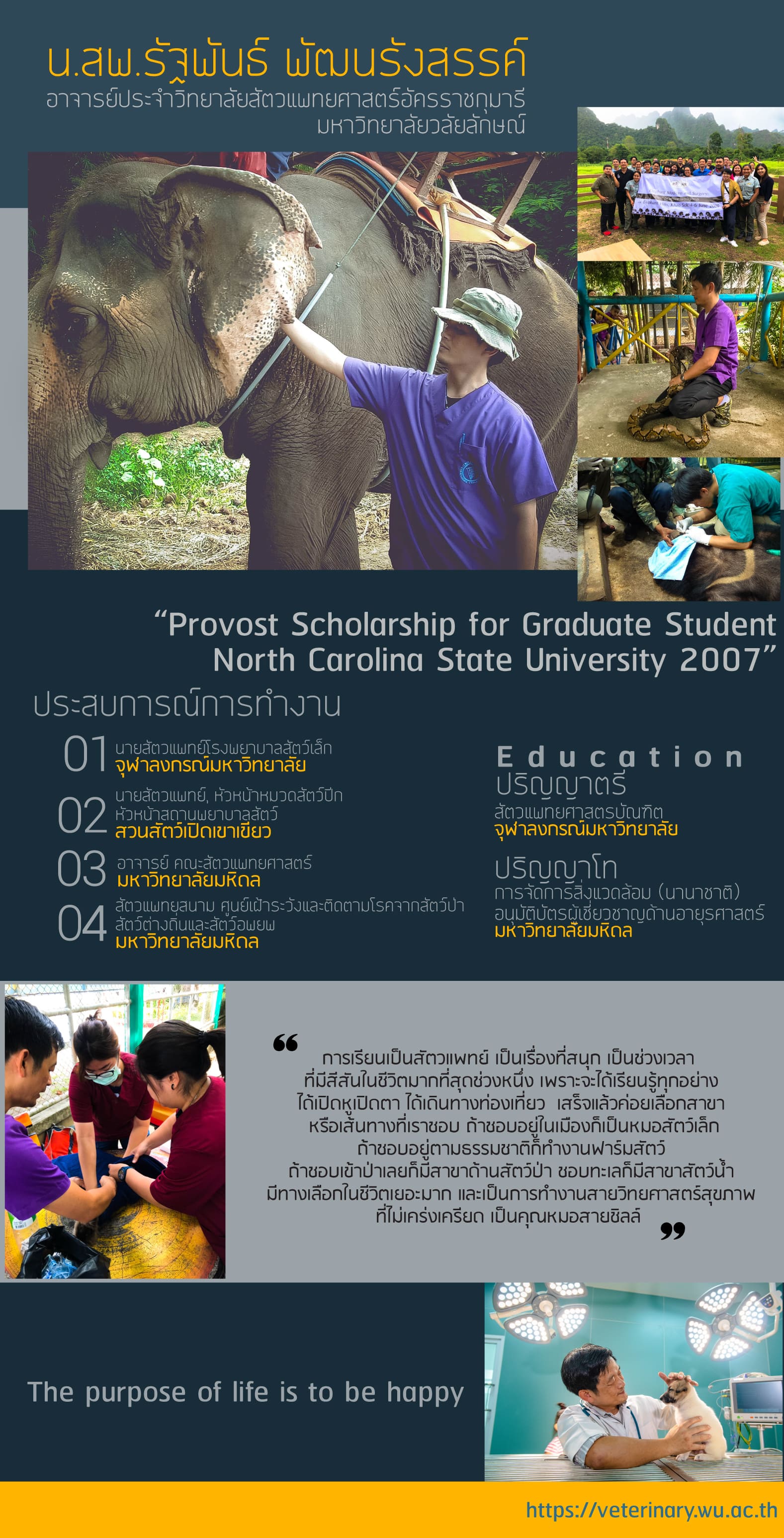
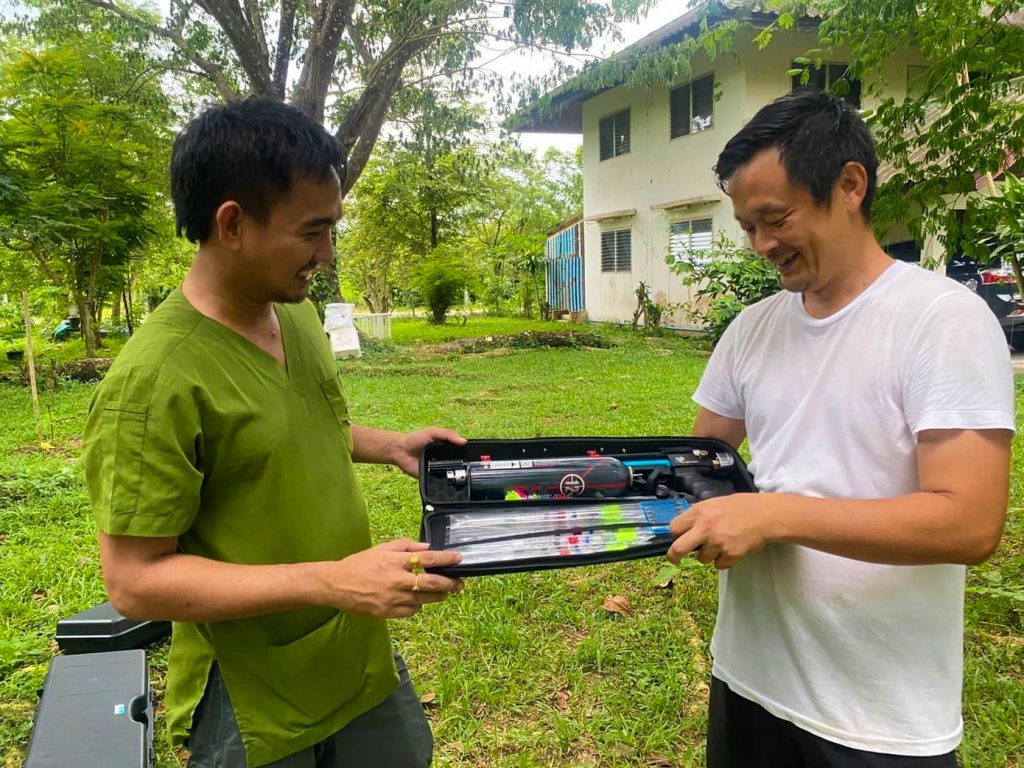
           June 21st, 2020, Dr. Songgrid Jearranaisilp the CEO of Finch-Inject Company Limited visited Dr.Rattapan Pattanarangsan, an Elephant and Wild animal clinic staff of Akkhraratchakumari Veterinary College to demonstrate remote drug delivery system equipment. Zoo and wildlife veterinarians worldwide have to have proficient dart gun skill set to deliver drugs to harmful or frightened non-domestic animal that stay remotely up to 50 meters. Dr. Songgrid Jearranaisilp is a former official veterinarian from Department of National Parks and Wildlife with tons of experience in dart guns. Dr. Jearranaisilp, in the name of Finch-Inject Co.LTD. aims to assist zoological medicine by offering various models of dart guns to maximize efficacy of the practice in affordable price. For this visit, he also gave one complete set of Finch-Inject dart pistol and accessories to AVC as a complimentary to Elephant and Wild Animal Clinics. The dart pistol is ready for the service of elephant and wild animal facilities in the Southern Thailand area and serving veterinary student as a practical equipment as well.

Finch- Inject Co LTD.; Facebook: finch inject , Line : calcaneus_dvm, tel. 0858408886

ศูนย์EN
South of Thailand connect to the Andaman and South China seas which are enriched by marine animals (Whales, Dolphins, Fishes, Crabs) and plants. This natural environment benefits the economics and development of Thailand. However, the increased pollution from waste, oil and heavy metal can cause the imbalance of the marine economy and reduce the number of endangered animal and food animals.

               The MRRC is located at Nakhon Si Thammarat province, southern Thailand near the Gulf of Thailand where there are lots of marine animals important for economics and conservation.

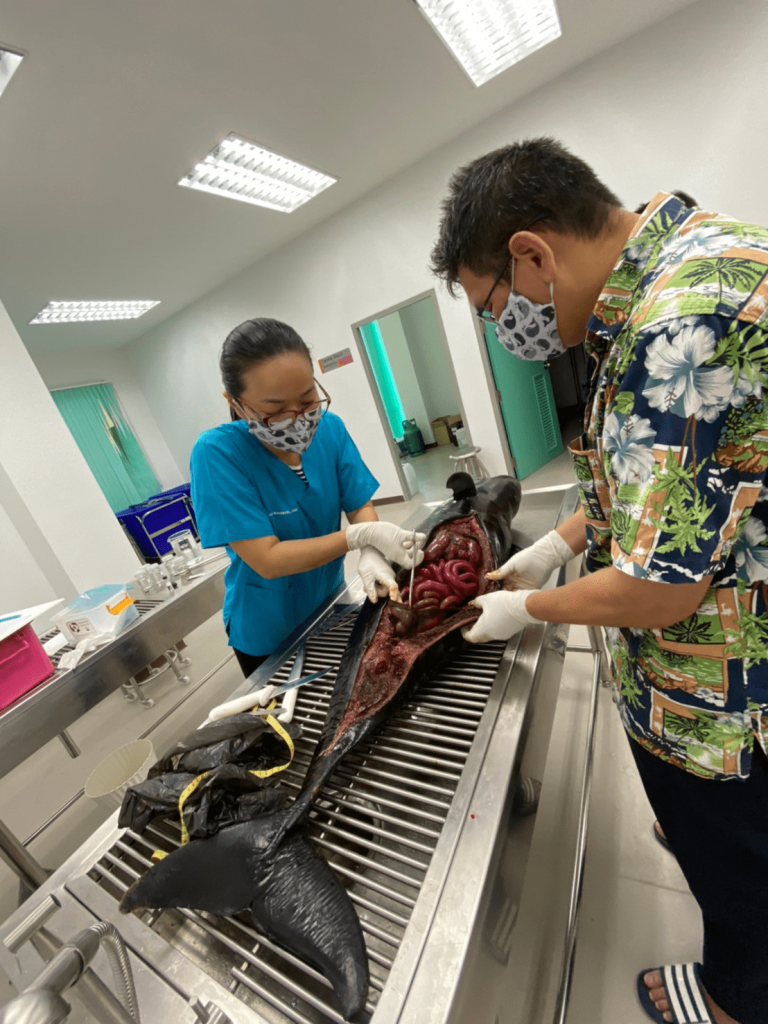
                From the local research and data, we found the contamination of toxin, and waste in the Gulf of Thailand. The dead and stranded animals are increased each year, this may be highly related to water pollution caused by humans. When injured animals are found, the treatment and care need to be done instantly to save their life. For dead sea animals, forensic investigation needs to be done quickly to identify the cause of death.

                Water pollution by plastic debris has been found worldwide, but most prominently in Asia. Plastic debris can directly affect marine animal health, subsequently causing a decline in aquatic animal numbers and threatening food security. Contamination of plastics in aquatic animals has further impact on human health due to the toxicity of plastic as well as the accumulation of heavy metals and pathogenic bacteria by plastic

                Aquatic food products are important for food production in Asia; however, Asia including Thailand is suffering from water pollution by plastic debris , which has become a global issue. Micro/nanoplastics generated by fragmentation of plastic debris in particular can harm the health and reproduction of marine animals and imbalance ecosystems, subsequently causing a decrease in fish stocks. Food animals can ingest micro/nanoplastics, while these can also accumulate toxic heavy metals and pathogenic bacteria. Therefore contamination of plastics in aquatic animals can significantly affect food security, food safety and human health. Moreover, the economy of countries including the UK and Thailand and their communities depending on fishery and aquaculture can suffer. Recent studies showed that plastics inhibit the growth of common carp, alter the intestinal structure of European seabass, and reduce the reproduction of oysters. Plastics have been linked to many diseases in humans. Much more research is urgently needed to understand the deleterious effects of micro/nanoplastics on aquatic life and human health.

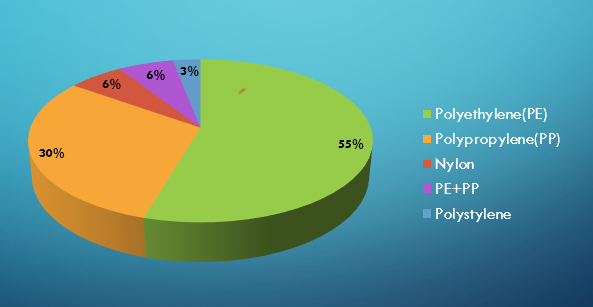
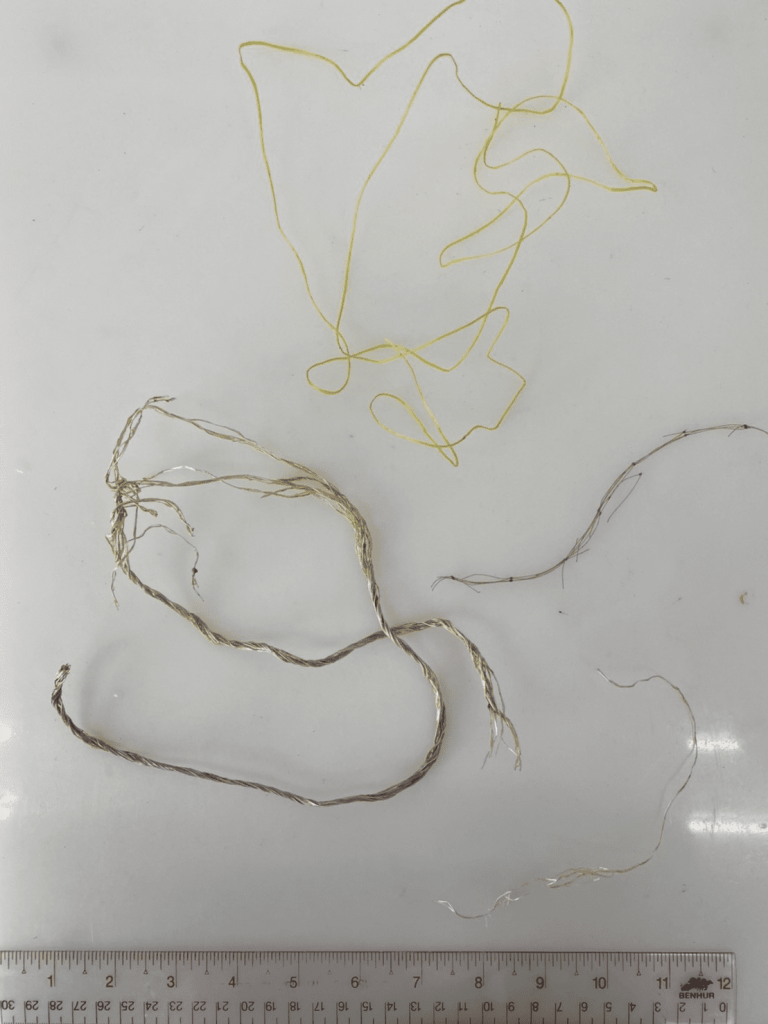
                Our current research reveals that polyethylene (PE) is the most abundant plastic found on the beach and gastrointestinal tract of stranded sea turtles found in the Middle Gulf of Thailand. Most of the plastic debris we found is fishing net and robe made by PE.

the major cause of death is boat accident Forensic investigation of a stranded dolphin
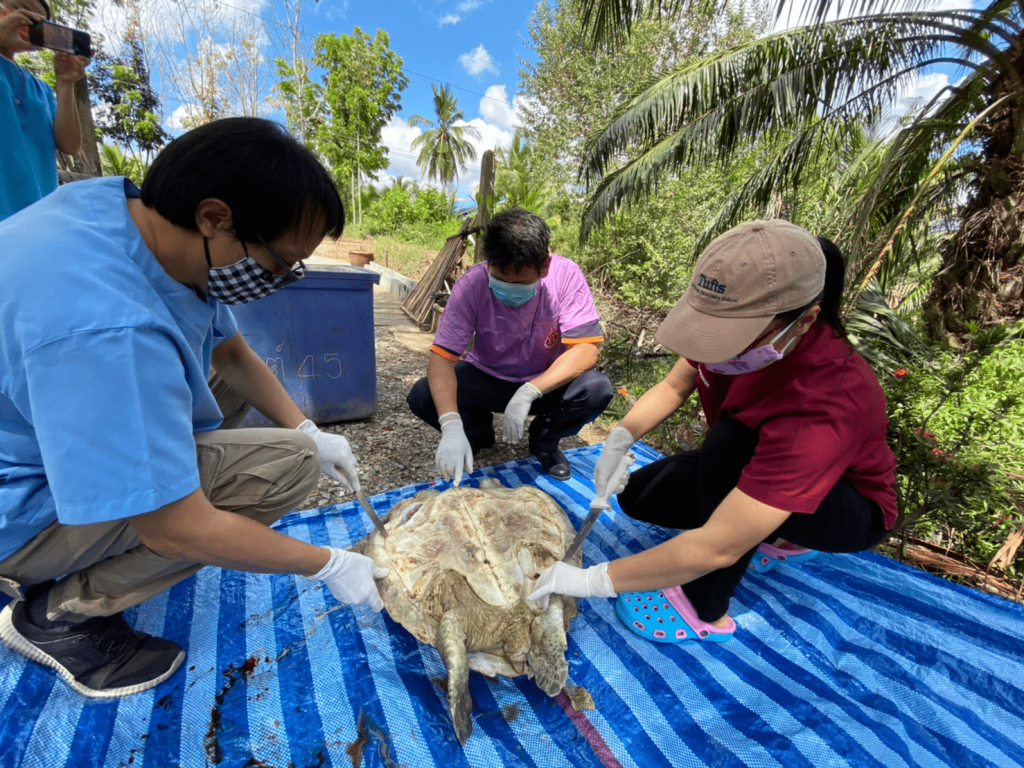
Forensic investigation of a stranded sea turtle, the major cause of death is plastic debris
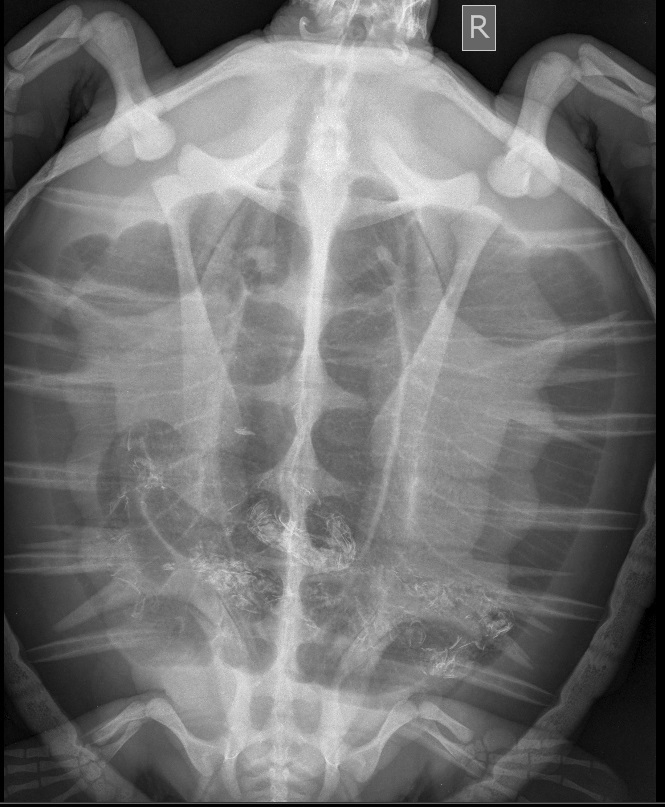
Radiography to monitor the health of stranded sea turtle
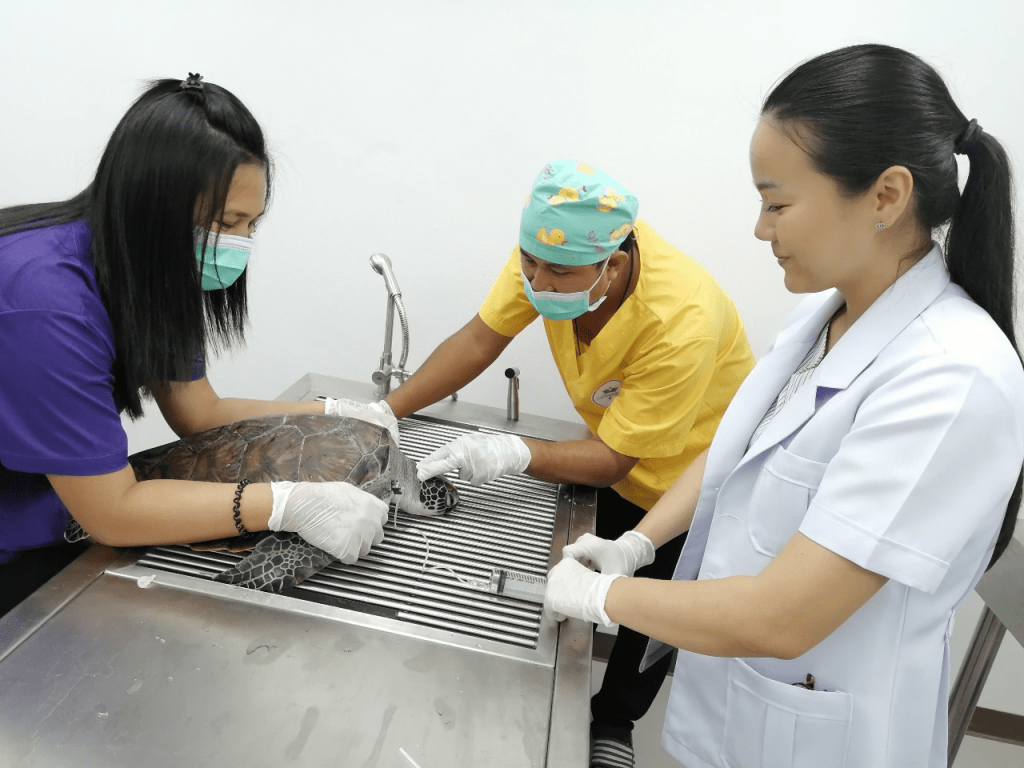
Giving a treatment to a sea turtle
Plastic debris found in digestive tract of sea turtle

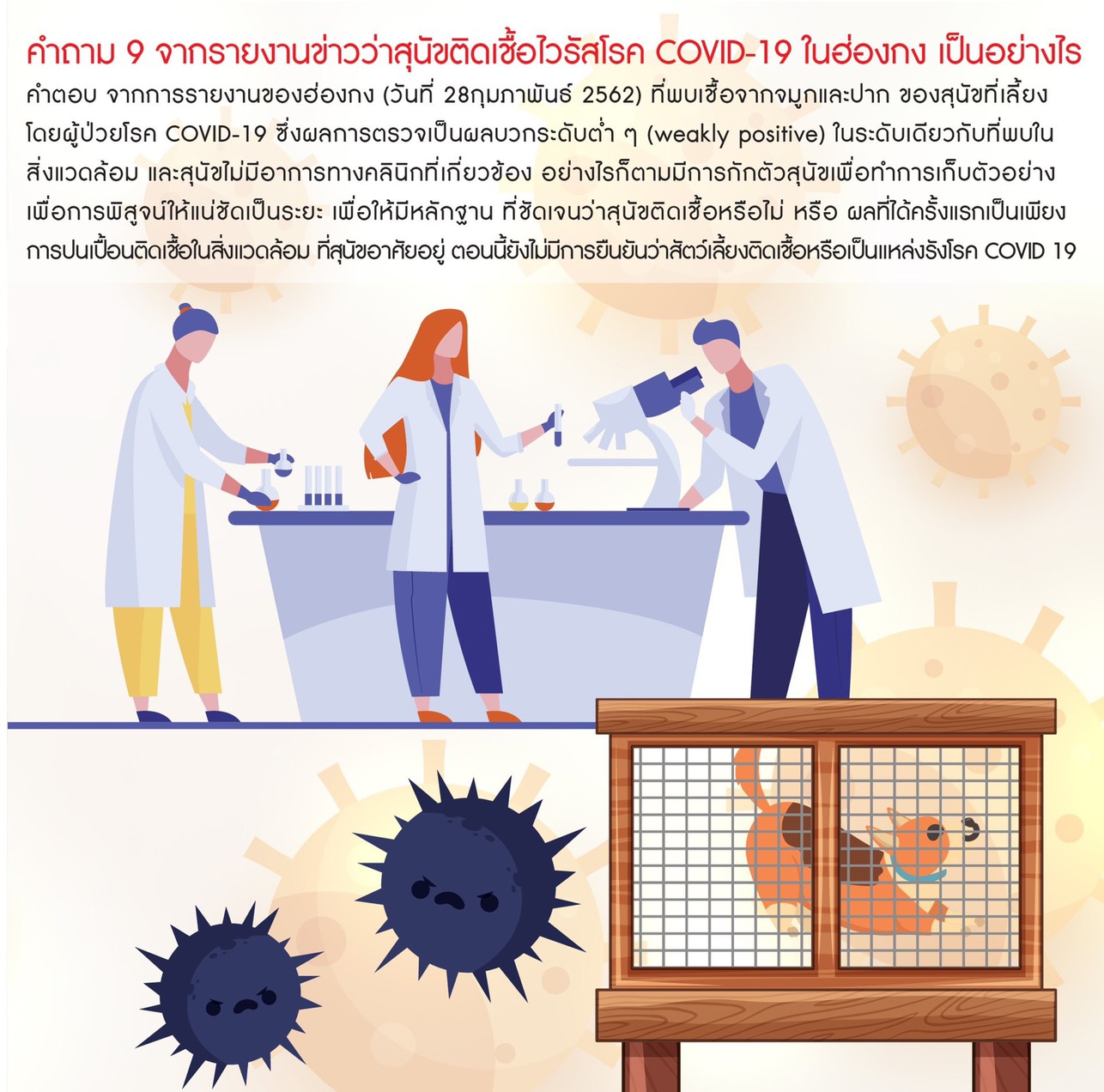
In China, pet owners start abandoning their pets due to the news about a pet dog in Hong Kong tested “weakly positive” for the Coronavirus COVID-19 on February 28, 2020. The test was done on the dog’s nose and mouth samples after its owner tested positive for the COVID-19 virus. The dog shows no sign of illness and is quarantined for further testing. More tests are needed to ensure that “weakly positive” result is not caused by environmental contamination.

 According to the American Veterinary Medical Association, the World Small Animal Veterinary Association (WSAVA), the World Organization for Animal Health, the World Health Organization and the Centers for Disease Control and Prevention, there is no evidence at this time to suggest that dogs and cats can be a source of the COVID-19 infection in human.

 In response to the pet abandonment in China, WSAVA Scientific and One Health Committees issue an advisory document on February 29, 2020 for veterinarians around the world.

 Here are some advices for veterinarians in dealing with their clients:


 What is the WSAVA’s response to reports that a dog has been “infected” with COVID-19 in Hong Kong?

 Reports from Hong Kong on February 28, indicated that the pet dog of an infected patient had tested ‘weakly positive’ to COVID-19 after routine testing. The Hong Kong SAR Agriculture, Fisheries and Conservation Department (AFCD) has reported that the dog, which is showing no relevant clinical signs, has been quarantined and further samples will be collected to confirm if the dog is actually infected with the virus, or if the test result has been caused by environmental contamination.

The AFCD’s website further states that it does not have evidence that pet animals can be infected with COVID-19 virus or can be a source of infection to people. WSAVA urges pet owners in areas where there are known human cases of COVID-19 to continue to follow the information in its Advisory, including washing their hands before interacting with their pets and, if sick, wearing face masks around them.

 Can COVID-19 infect pets?

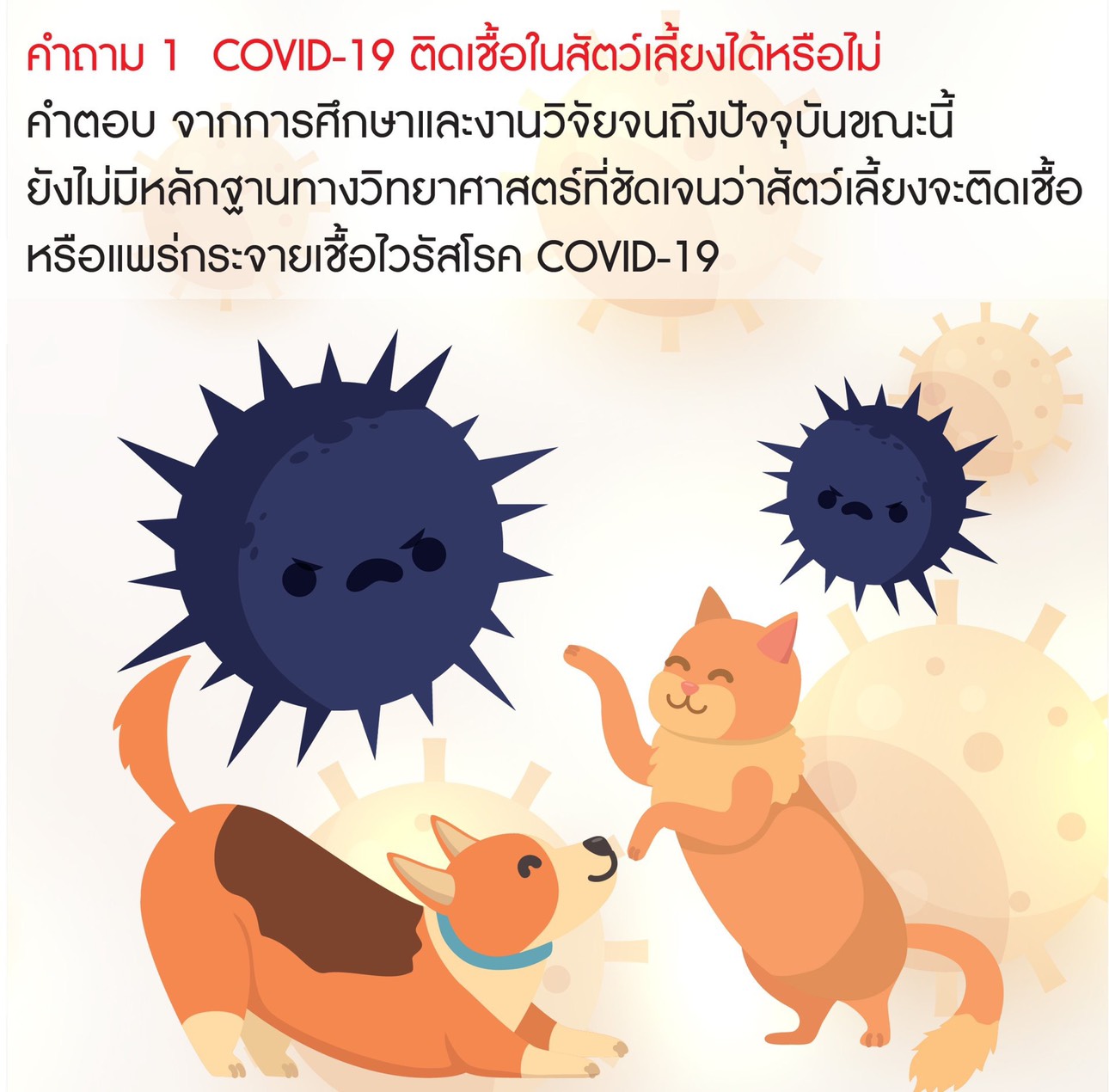
 Currently there is no evidence that companion animals can be infected with or spread COVID-19. This is a rapidly evolving situation and information will be updated as it becomes available.

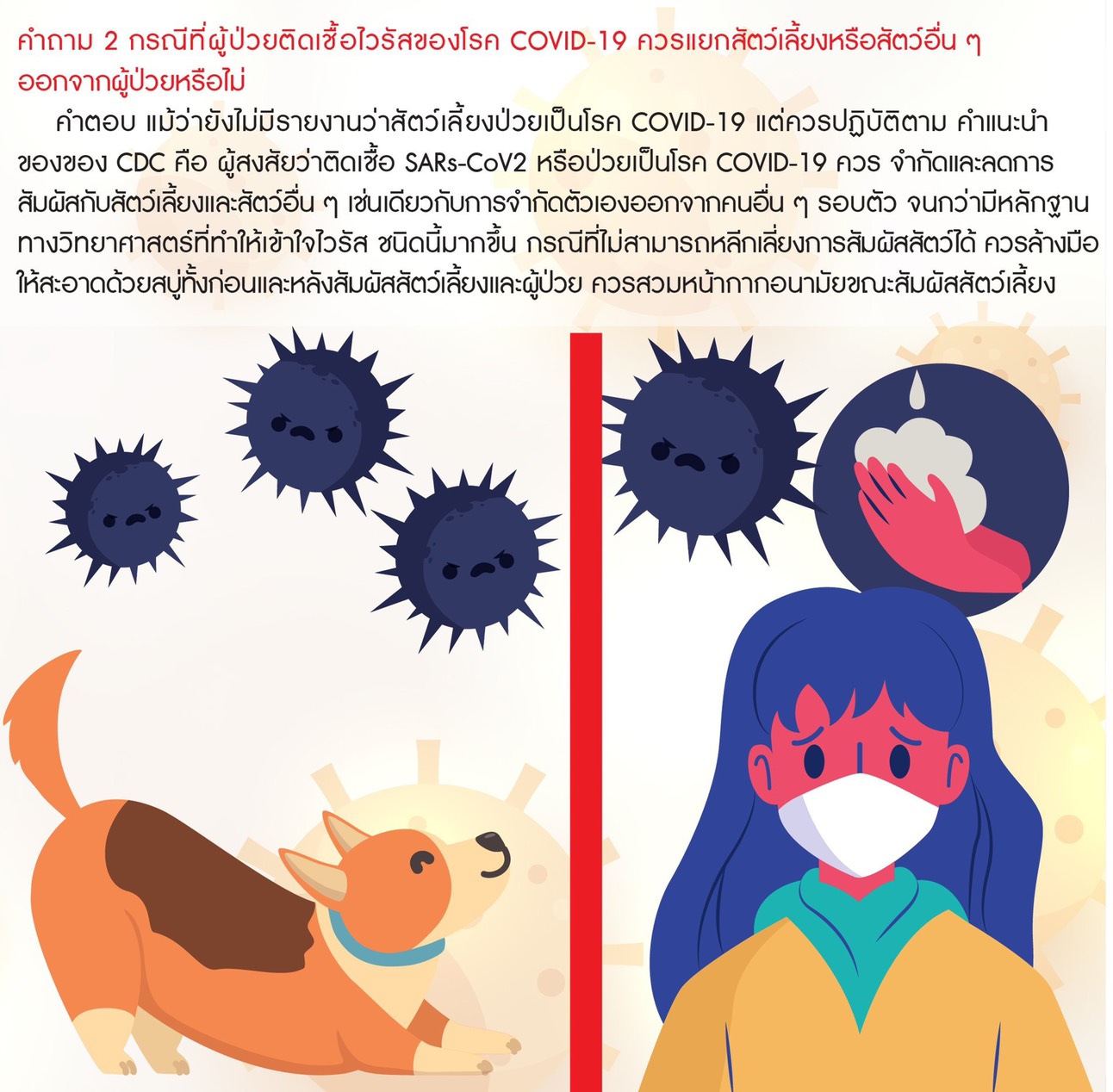
 Should I avoid contact with pets or other animals if I am sick with COVID-19?

 The CDC recommends the following: “You should restrict contact with pets and other animals while you are sick with COVID-19, just like you would around other people. Although there have not been reports of pets or other animals becoming sick with COVID-19, it is still recommended that people sick with COVID-19 limit contact with animals until more information is known about the virus. When possible, have another member of your household care for your animals while you are sick. If you are sick with COVID-19, avoid contact with your pet, including petting, snuggling, being kissed or licked, and sharing food. If you must care for your pet or be around animals while you are sick, wash your hands before and after you interact with pets and wear a facemask.” Please check for new updates on CDC’s website.

 If my pet has been in contact with someone who is sick from COVID-19, can it spread the disease to other people?

 While we do not yet know for sure, there is no evidence that companion animals can be infected with or spread SARS-Cov-2. We also do not know if they could get sick from this new coronavirus. Additionally, there is currently no evidence that companion animals could be a source of infection to people. This is a rapidly evolving situation and information will be updated as it becomes available.


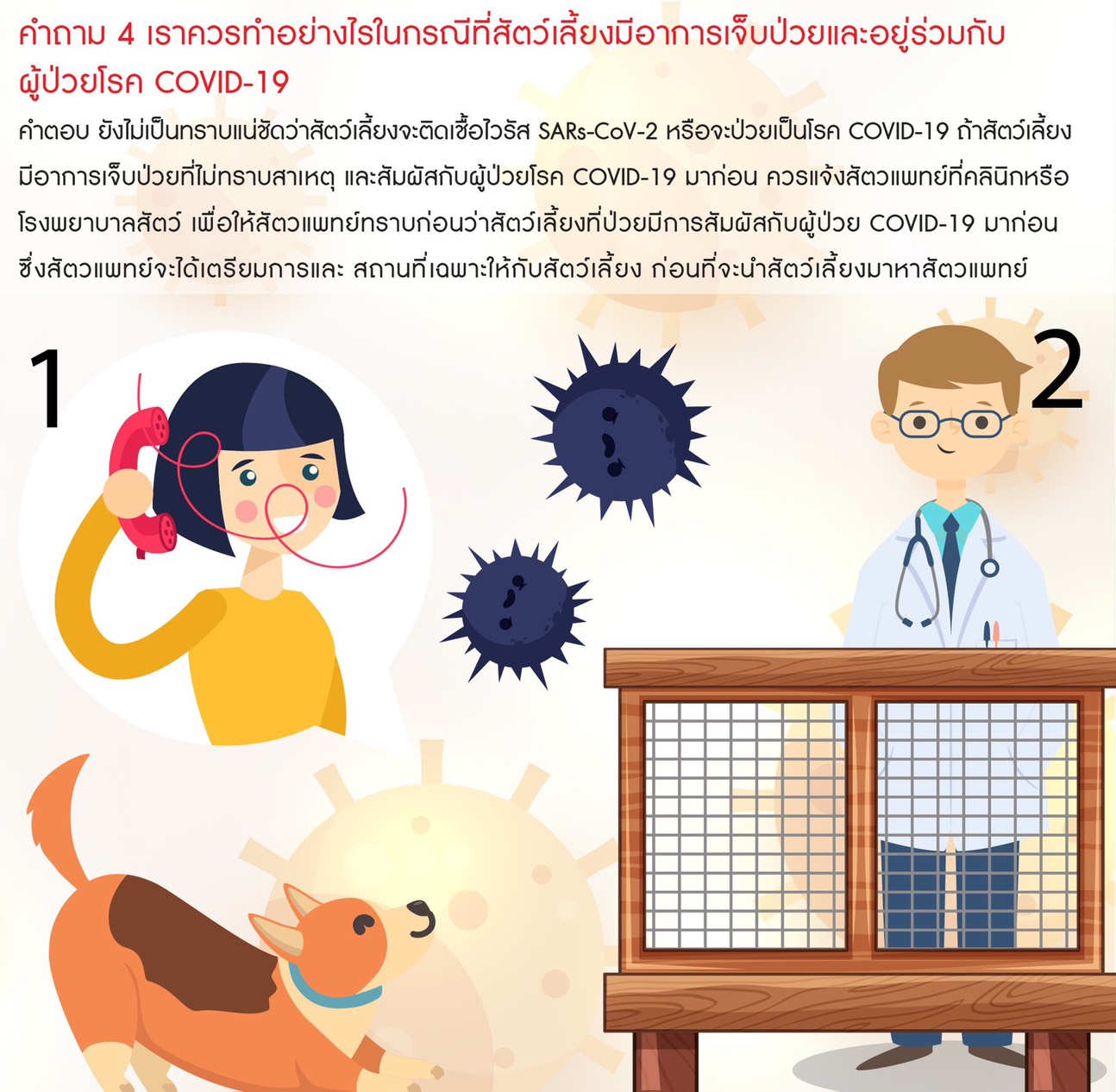
What should I do if my pet develops an unexplained illness and was around a person with documented COVID-19 infection?

 We don’t yet know if companion animals can get infected by SARS-Cov-2 or sick with COVID-19. If your pet develops an unexplained illness and has been exposed to a person infected with COVID-19, talk to the public health official working with the person infected with COVID-19. If your area has a public health veterinarian, the public health official will consult with them or another appropriate official. If the state public health veterinarian, or other public health official, advises you to take your pet to a veterinary clinic, call your veterinary clinic before you go to let them know that you are bringing a sick pet that has been exposed to a person infected with COVID-19. This will allow the clinic time to prepare an isolation area. Do not take the animal to a veterinary clinic unless you are instructed to do so by a public health official.


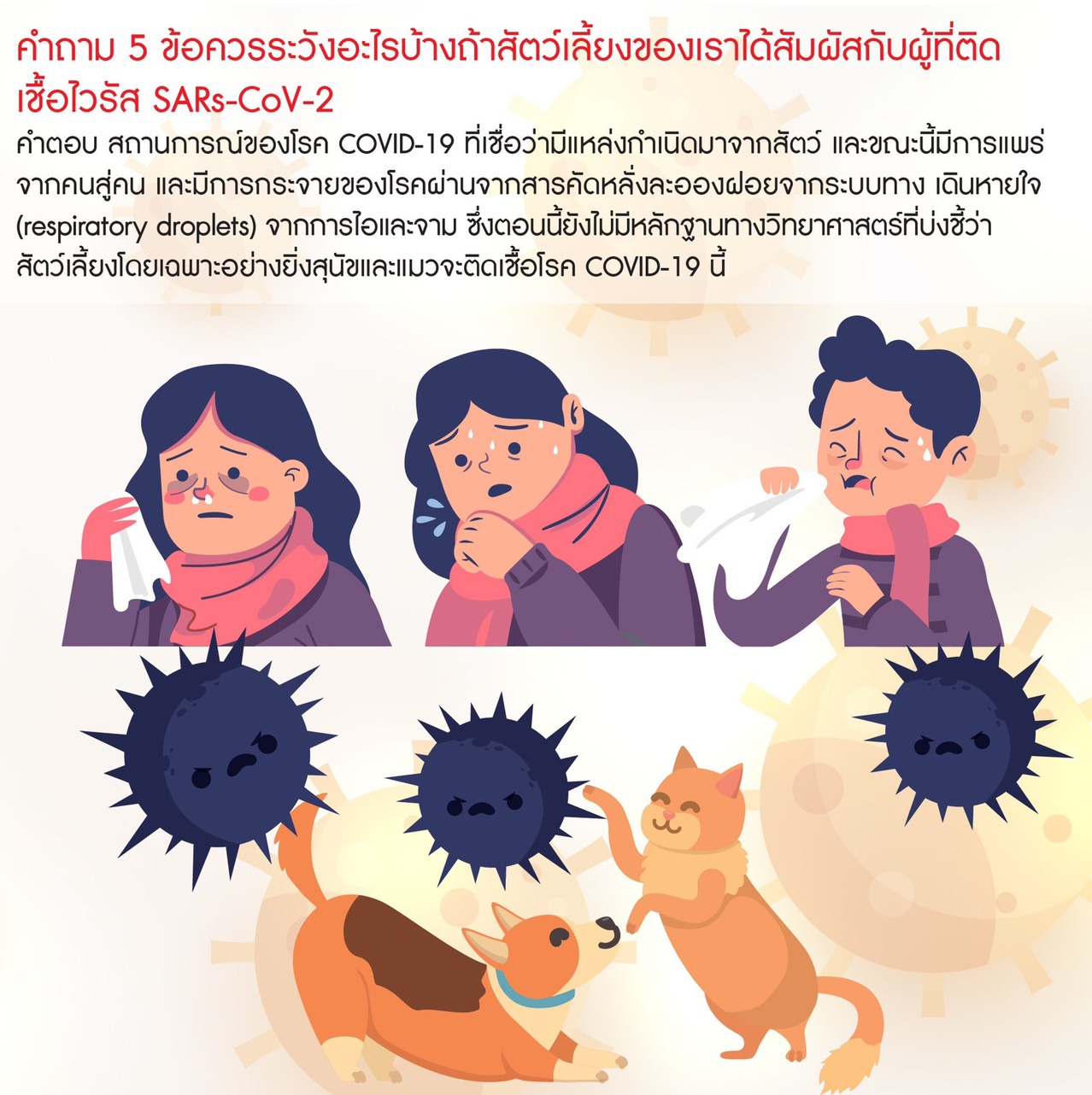
What are the concerns regarding pets that have been in contact with people infected with this virus?

 While COVID-19 seems to have emerged from an animal source, it is now spreading from person-to-person. Person-to-person spread is thought to occur mainly via respiratory droplets produced when an infected person coughs or sneezes. At this time, it’s unclear how easily or sustainably this virus is spreading between people. Learn what is known about the spread of newly emerged coronaviruses. Importantly, there is no evidence that companion animals including pets such as dogs and cats, can become infected with COVID-19.


What should be done with pets in areas where the virus is active?

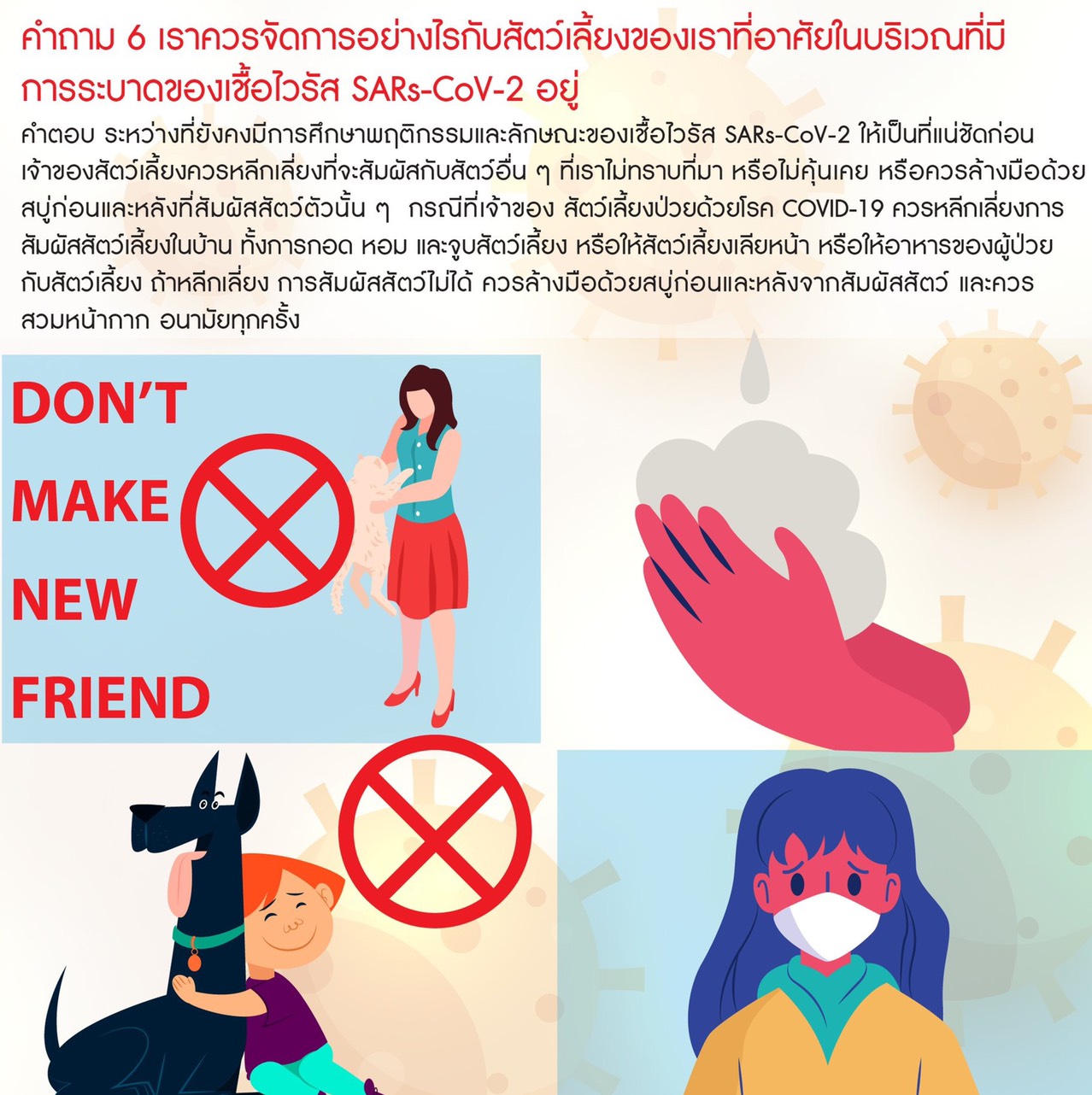
 Currently there is no evidence that pets can be infected with this new coronavirus. Although there have not been reports of pets or other animals becoming sick with COVID-19, until we know more, pet owners should avoid contact with animals they are unfamiliar with and always wash their hands before and after they interact with animals. If owners are sick with COVID-19, they should avoid contact with animals in their household, including petting, snuggling, being kissed or licked, and sharing food. If they need to care for their pet or be around animals while they are sick, they should wash their hands before and after they interact with them and wear a facemask.


This is a rapidly evolving situation and information will be updated as it becomes available.


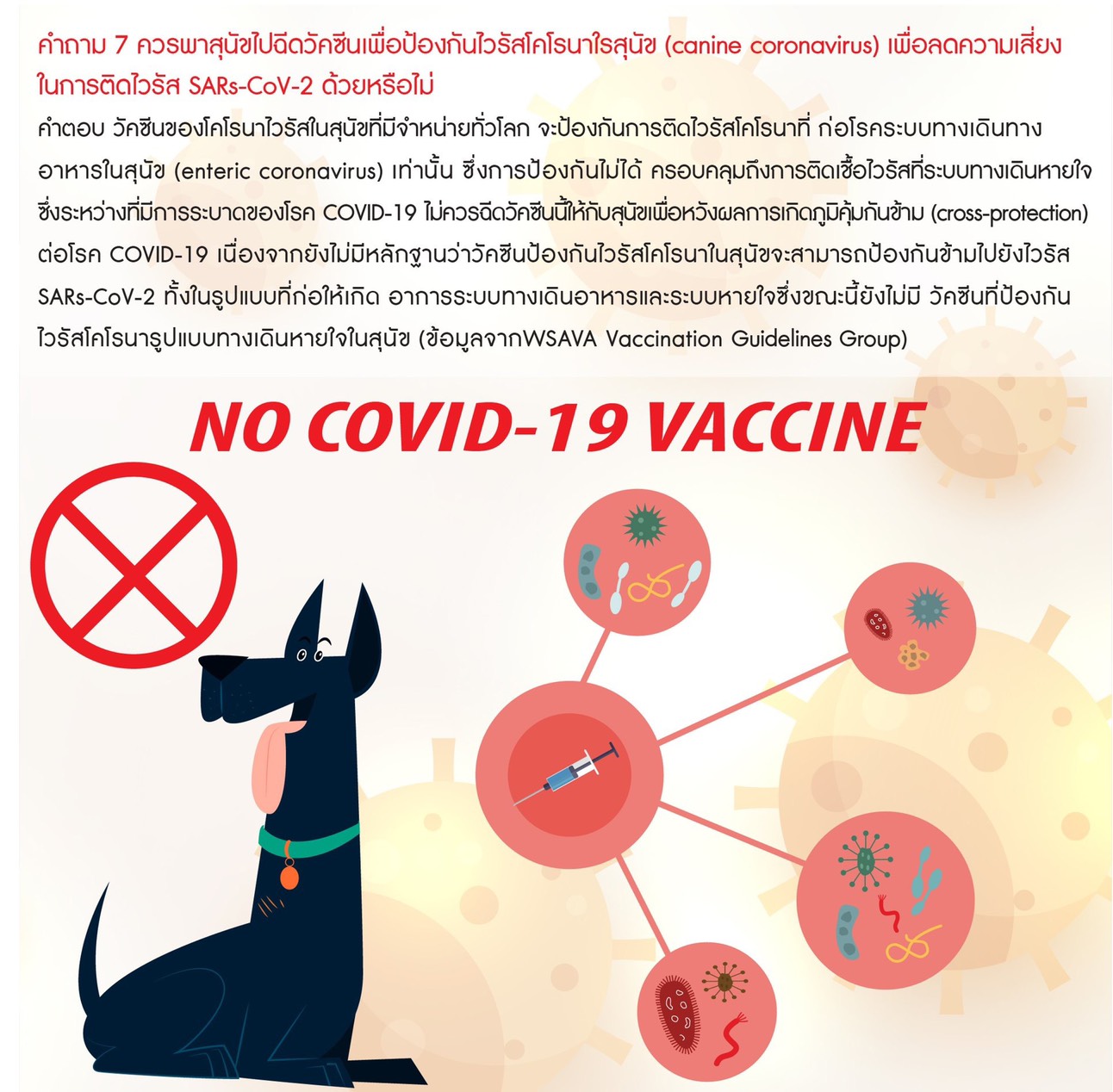
Should veterinarians start to vaccinate dogs against canine coronavirus because of the risk of SARS-Cov-2?

 The canine coronavirus vaccines available in some global markets are intended to protect against enteric coronavirus infection and are NOT licensed for protection against respiratory infections. Veterinarians should NOT use such vaccines in the face of the current outbreak thinking that there may be some form of cross-protection against COVID-19. There is absolutely no evidence that vaccinating dogs with commercially available vaccines will provide cross-protection against the infection by COVID-19, since the enteric and respiratory viruses are distinctly different variants of coronavirus. No vaccines are currently available in any market for respiratory coronavirus infection in the dog. [Information from the WSAVA Vaccination Guidelines Group].


We will update our Guidance as further information becomes available.


Note:  WSAVA recognizes that not all recommendations will apply to all areas or all regions at all times, depending on the epidemiological risk and risk mitigation in the area.  WSAVA encourages veterinarians to keep in close contact with, and follow the directions of, their local veterinary authority.
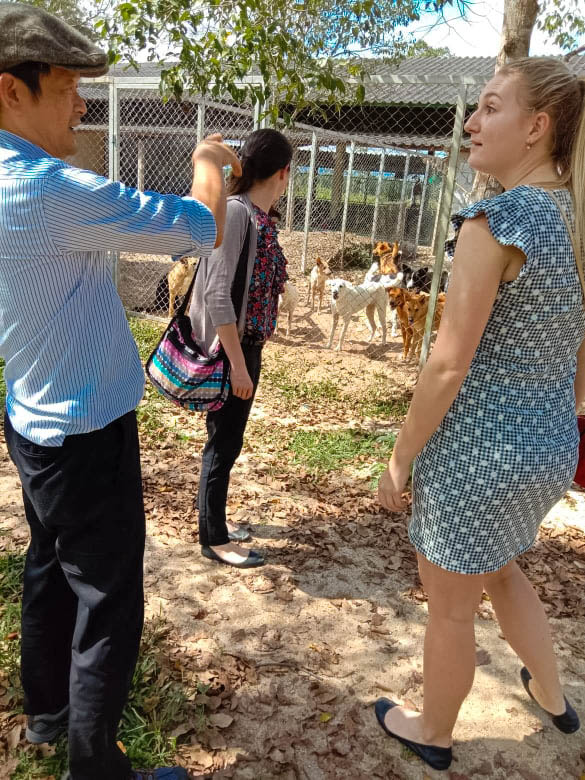
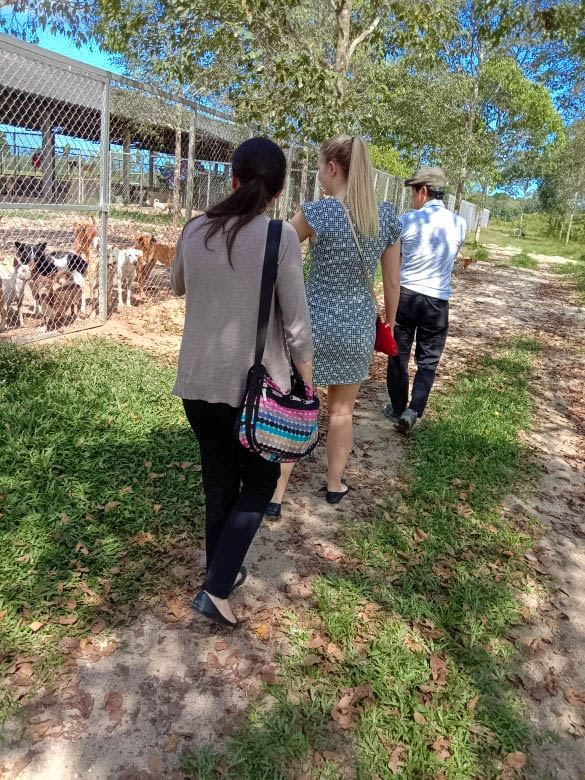
          On February 14th , 2020 two medical students from Ohio State University participated in a study tour to Walaialak University and allied hospitals. Dr.Rattapan Pattanarangsan led a discussion session of “Rabies in Thailand” sharing public health and One Health perspectives from the real situation in Thailand from the past to present. At the end of the session, the visiting students had a chance to visit Walaialak Dog shelter as an example of rabies problem mitigation. One health concept is now a very important topic for every medical student and veterinary student as well. It is emphasized in the curriculum of every health science school worldwide.

           AVC is establishing an excellent research center for One Health and the center will soon attack many problems of zoonotic diseases or the diseases that can be transmitted from animal to human or from human to animal.