
Akkhraratchakumari Veterinary College
Our research theme focuses on one health which we divide into 3 main areas:
"
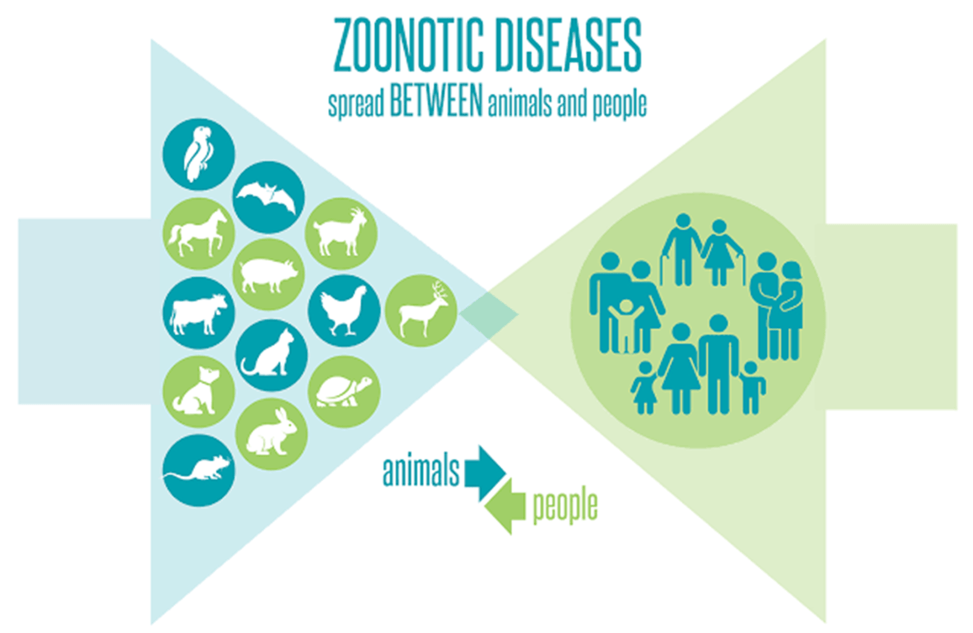
Zoonotic disease
this theme investigates the transmission of infectious agents among animal, human, and environment. The research topics include antimicrobial resistance, zoonoses, food safety and antibiotic alternatives.
Researchers
Prof.Dr. Suvichai Rojanasathien
Assoc.Prof.Sumalee Boonmar
Dr Thotsapol Thomrongsuwannakij
Asst.Prof. Dr. Tuempong Wongtawan
Dr Jindarha Prampramote
"
Conservation medicine
this theme investigates the interaction of animal, human, and environment. The research topics include exotic, zoological, wildlife, and environmental medicine, conflict, pollution and management.
Researchers
Asst.Prof. Dr. Tuempong Wongtawan
Dr Rattapan Pattanarangsan
Dr Manoch Yindee
Dr Jindarha Prampramote
Prof.Dr. Suvichai Rojanasathien
"
Comparative medicine
this theme integrate the knowledge in animal and human medicine together with environmental factors in order to understand the disease in both animal and human. The research topics include domestic animal health and production, and also veterinary biomedicine.
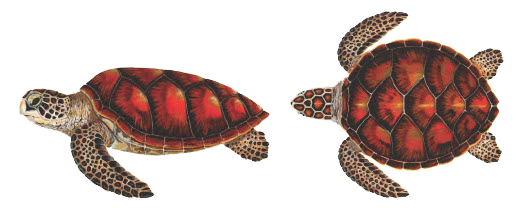
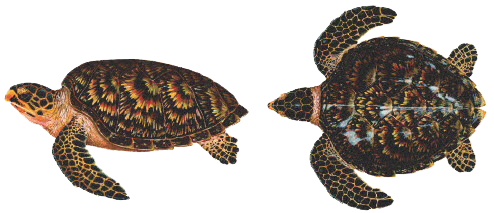
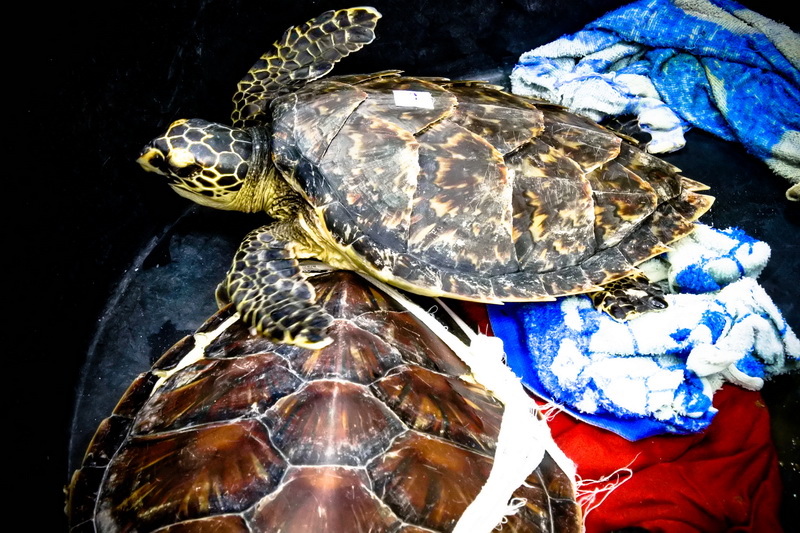
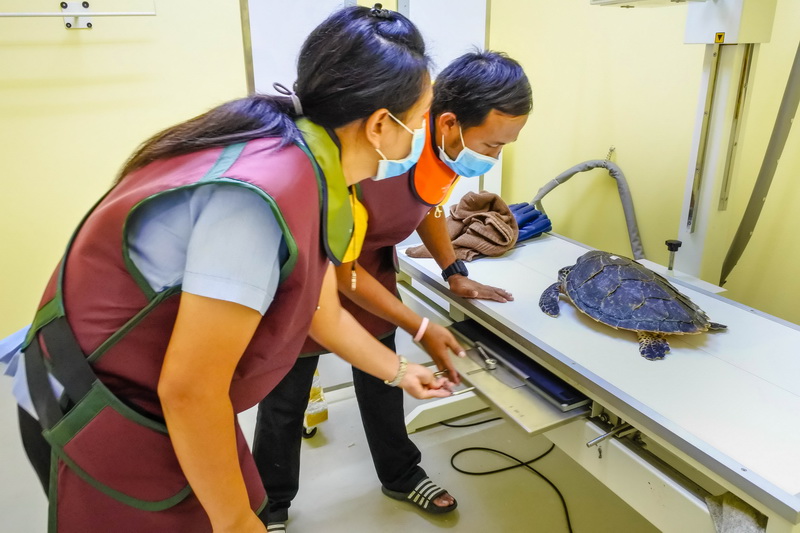
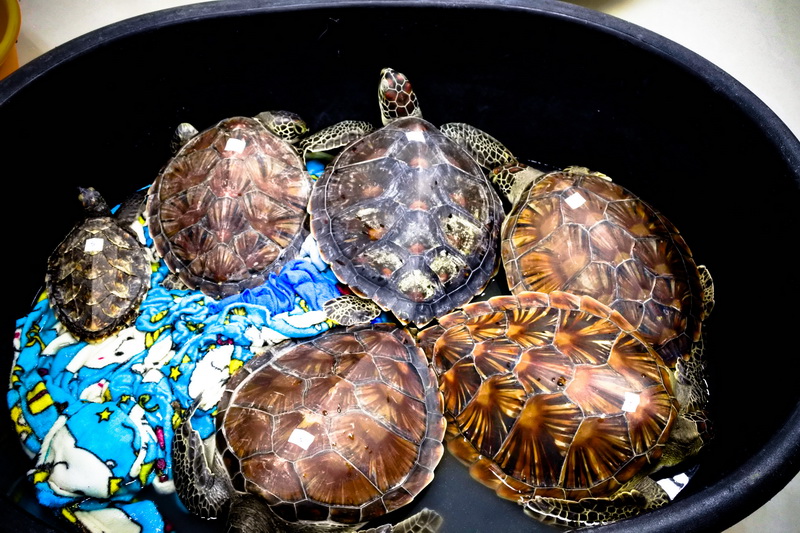
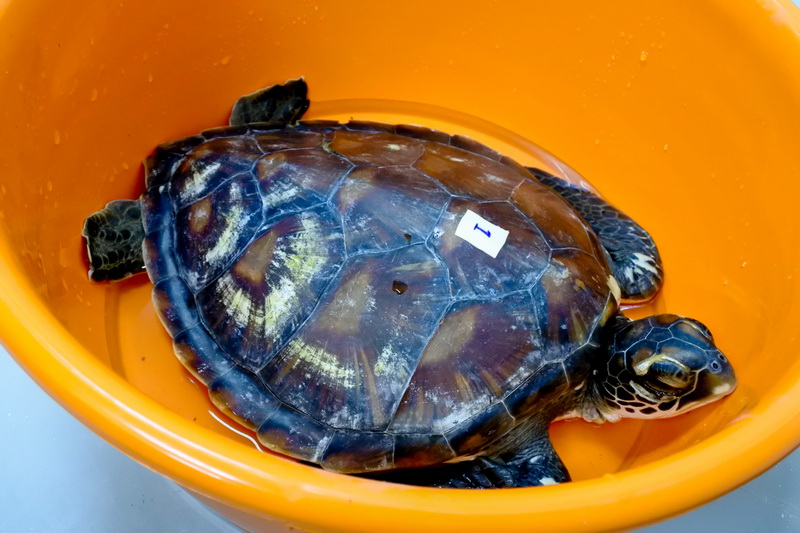
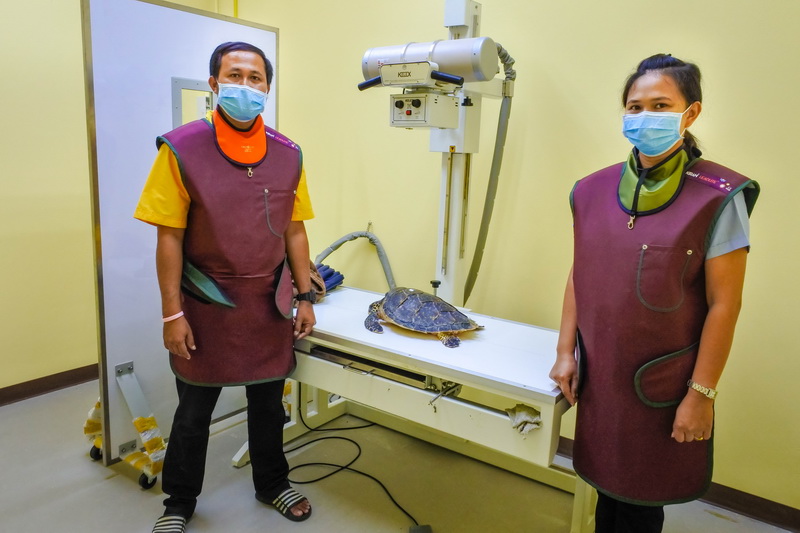
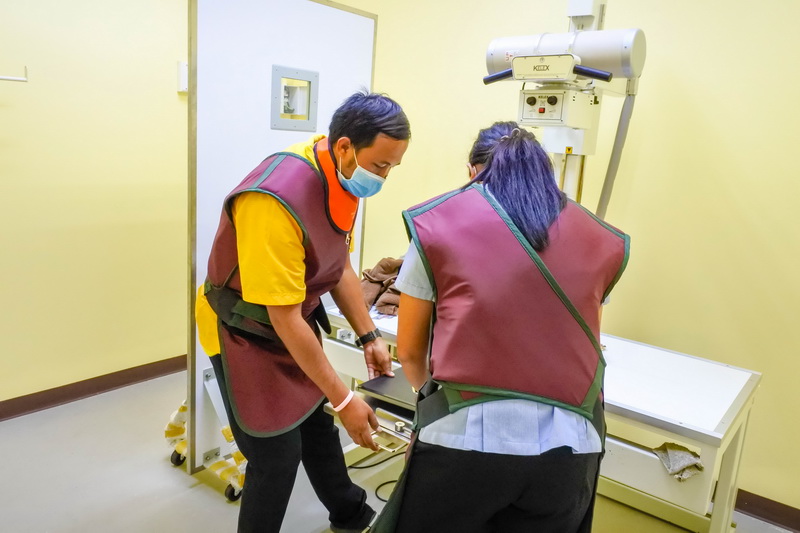
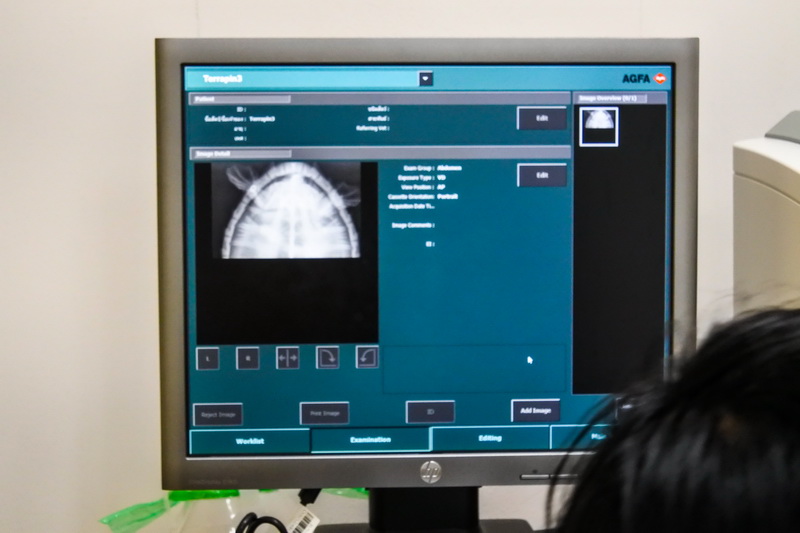
Dr Arpa Kamoltalapisek and Dr Purima Prommontreeand from Akkharatchakumari Veterinary (AVC) College helped Dr Pimchanok Prachamkhai, a Vet from Department of Marine and Coastal Resource (DMCR) to examine the stranded hawksbill sea turtles (Eretmochelys imbricata) and green sea turtles (Chelonia mydas). Both species are recognised as endangered animals, but people may seem familiar with a green sea turtle due to it was illustrated in the Hollywood movie “A Turtle's Tale: Sammy's Adventures”. Dr Pimchanok Prachamkhai also discussed about the cause of turtle stranding and possible research project about stranded marine animals and sea debris with Asst Prof Tuempong Wongtawan, the Head of Research Department of AVC. The Marine and Coastal Resources Research Center, at the Central Gulf of Thailand located at Chumphon province not far from AVC.
At Akkharatchakumari Veterinary College (AVC), we perform the education and classroom research in order to improve the learning process, enhance the course to fit with the modern world and the student requirement. There are many challenges to improve learning, our staff Assistant Professor Tuempong Wongtawan, the expert of Veterinary Education was summarise what he has done here:
Understanding new generation (Gen) of students Teaching is never easy because each student is unique, they have different
personalities and knowledge, a good teacher must be very patient to teach and understand
students. Current students are new generation “Gen Z” (described as those born post-1995) and the age gap between students and teacher is more than 20 years different. When new generation come to class, the teaching technique must be changed because many old tricks are ineffective to use for Gen Z students. Gen-Z were born with the high-speed internet at their fingertips and they are extremely comfortable with rapidly evolving technologies. They love social networks and their lives are always online. Instead of buying hardcopy textbooks, they use a smartphone or a tablet to search for information and obtain electronic books. For Gen Z, the mobile technology is not a phenomenon, but it is an essential part of their lives. Therefore, teachers should not just give the lecture, but must let Gen-Z involve and participate in the learning process and learning design in order to increase their attention and to motivate them to practice higher-level critical thinking skills, these processes then create meaningful learning experiences. One of Asst Prof Tuempong’ s effective techniques is using the smartphone/tablet and social networks as tools for study, these techniques keep their attention, participation and motivation throughout the course and also in the classroom.
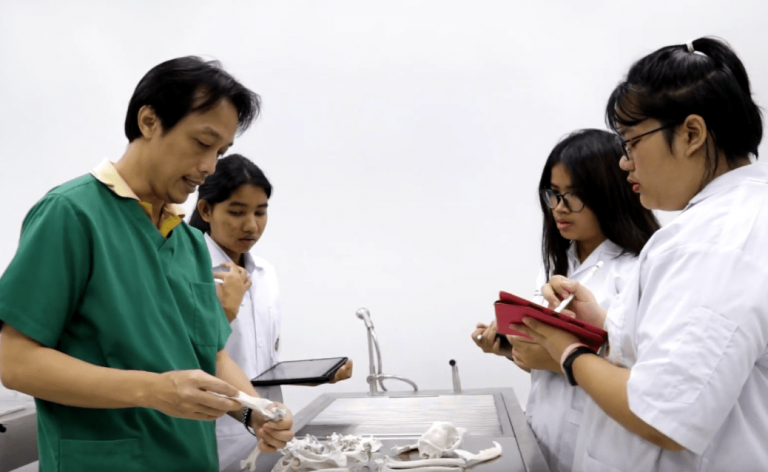
Using a variety of teaching methods to enhance learning Although slide presentation is the main method used for lecturing, in AKC we also applied many techniques to help student learning. A video demonstration which is a powerful way to illustrate important principles, since they allow students to observe the reality, We use videos when teaching animal anatomy and histology. Computer graphics and animations videos are also effective tools to explain the mechanism and animal physiology. Interestingly, Asst Prof Tuempong found that the film trailer/series (particularly the famous one) are the most effective tool to attract the students’ attention and stimulate critical thinking. For instance, he used the movie trailer of “Twin” to teach about epigenetics and gene expression and also used trailer of “The Curious Case of Benjamin Button” to teach about nuclear membrane and regeneration. Several years ago, at the anatomy and histology lab classes, Asst Prof Tuempong saw all students used smartphones and tablets to take photos of specimens they learnt. After capturing images, they labelled the images and shared with their friends via cloud storage or their social networks in order to keep these images for reading after the class or before examination. This phenomenon is different from old time where students wrote and drew everything into the paper or a notebook, and shared knowledge by using photocopy machine. However, Asst Prof Tuempong found that many labelled images from students were incorrect and caused misunderstanding. Therefore, he introduced a new method of learning by giving them an assignment to capture the specimens, labelled them and sent back to me to receive a score. Students sent their assignments to me via cloud system (google drive) or sometimes social network (Facebook group) where he could correct the images and instantly sent the feedback to students. Most students are happy with this technique and their learning is improved according to his classroom research.
Education research can improve learning and teaching
Classroom research is one of education research, teachers do research based on their daily
activities in their own classroom in order to analyse their own teaching and learning process
and to seek the most appropriate teaching/learning process to the class. It is not common for
every teacher to do a classroom research, Asst Prof Tuempong might be the only one lecturer in Thai Vet School to have done a classroom research regularly in order to improve teaching, learning and understanding the requirement of students. He said classroom research does not have the final result, instead, it is cycling process which allows teacher to seek the actual teaching learning improvement which is appropriate to the situation at the time (it generally means we should repeat the same classroom research every year). He feels that classroom research initiate and develop my passion in conducting research and use logic to solve problems. When teachers use logic/research to solve problems, it is easier for them to share and discuss with others about education problems and solution, because the solution/problem found is not based on teacher’s personal judgement or opinion but it is from the proper
You can read education Research done by Asst Prof Tuempong Wongtawan by following the links below.
|
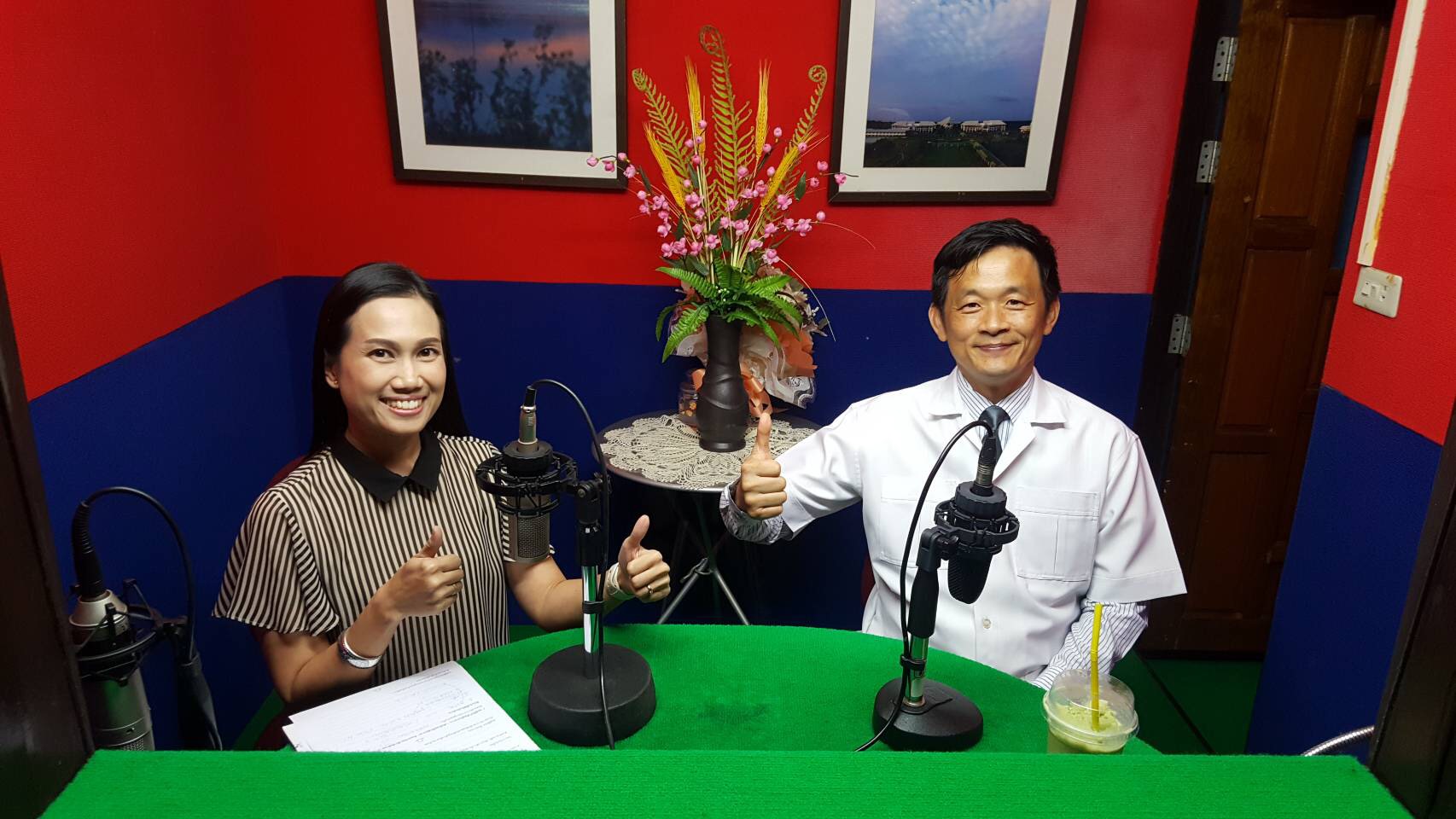
October 29th, 2019 Dr.Rattapan Pattanarangsan was invited as a guest speaker for Walailak University Health Promoting Radio Program ( วลัยลักษณ์ รักษ์สุขภาพ ). Dr.Rattapan Pattanarangsan brought an interesting topic of “A new longevity elixir; house pets”. A talk is based on finding of a newly published paper from American Heart Association Journal’s meta-analysis study. The conclusion included more than 3.8 million study subjects had a summary that people that have house pet are having 24% chance to live longer. Dr.Rattapan mentioned that the study is a sum up evidence but the direct experience that everybody who own at lease a pet has is relaxing livelihood. Simply petting your furry pet can bring down the blood pressure already. The pets mentioned in the talk was mainly be dogs and cats but there are also some studies with other pets such as cricket can help with the human health too. The main benefit of having pets is reducing blood pressure and relieving stress. At the end of the talk Dr.Rattapan pointed out that when the pets can give us a beneficial health quality, we should pay back to the pets with tender care and attention. Those pets cannot talk, so bringing pets to receive health care service from a good veterinary hospital is a way to show your gratitude to the good quality of life they gave us. Also an announcement for anyone who wish to have pets. Walailak Dog shelter is open for dog adoption, anyone who is planning to have a pet for longevity or other purpose can contact 075-673-902 for information and getting into the adoption program. Link to the program : click |

|
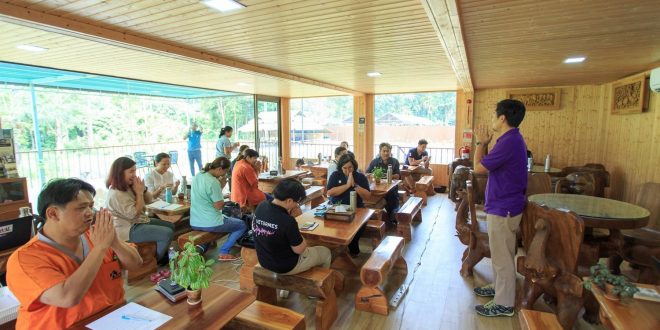
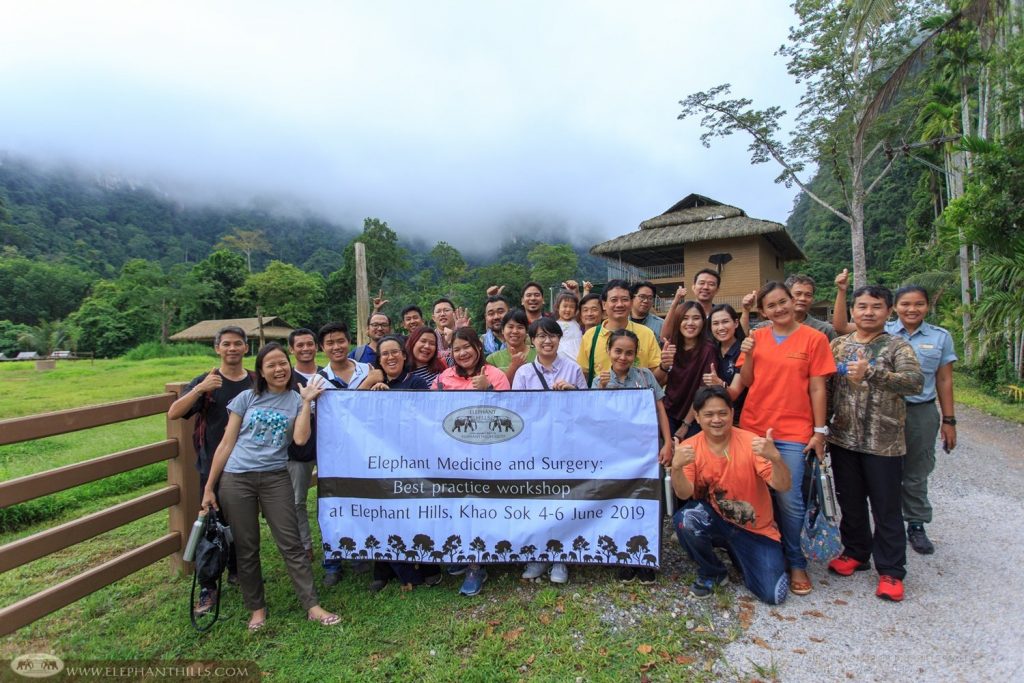
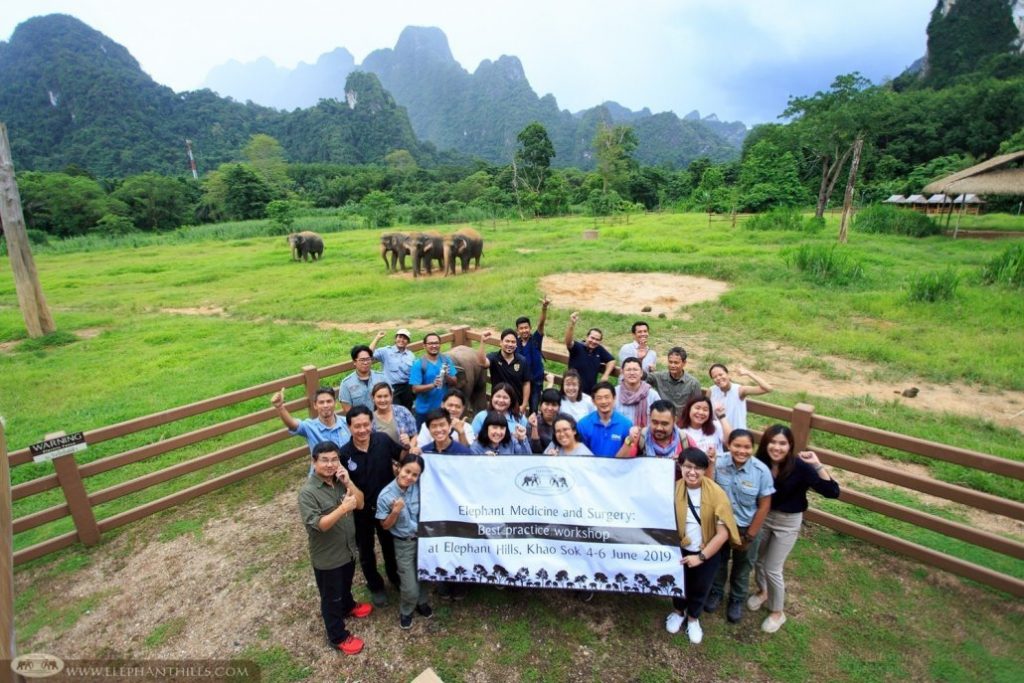
Last week, we had a great pleasure to welcome 23 elephant veterinarians from all over Thailand to our elephant camp in Khao Sok. The experienced veterinarians and professors gathered together for “Elephant Medicine and Surgery: Best Practices Workshop”. To support this amazing initiative by Walailak University’s Veterinary Faculty, Elephant Hills provided the venue, accommodation, food, transportation and also covered other travel expenses for the participants. |
|
The three-day workshop took place at The Elephant Café, overlooking the free-roaming area of our elephant camp. Needless to say, we were absolutely thrilled to have such a huge amount of knowledge and expertise under our roof! Naturally, our own vets also joined the event and were excited to meet colleagues and further improve their skills. It was truly encouraging to hear all the positive comments from the participants regarding our elephant camp. Discussing the best practices on elephant medicine and surgeryThe goal of the brainstorming was to start creating a best practices manual on elephant medicine and surgery. Hence, there were numerous topics discussed, ranging from common issues occurring in different body parts to pediatric and geriatric care, hematology and blood transfusion in elephants. Some diseases, such as Elephant endotheliotropic herpesvirus (EEHV) and tuberculosis where also covered.Through our Elephant Conservation Project, we help the government run elephant hospitals in Thailand, and support areas affected by human-elephant conflict. By creating internship opportunities for veterinary students from Thai universities, we hope to play a part in increasing the students’ interest towards elephants. Consequently, hopefully in the future there will be more and more professionals working to benefit the Thai elephants, both domestic and wild populations. |
|
Dr Arpa Kamoltalapisek and Dr Purima Prommontreeand from Akkharatchakumari Veterinary (AVC) College helped Dr Pimchanok Prachamkhai, a Vet from Department of Marine and Coastal Resource (DMCR) to examine the stranded hawksbill sea turtles (Eretmochelys imbricata) and green sea turtles (Chelonia mydas). Both species are recognised as endangered animals, but people may seem familiar with a green sea turtle due to it was illustrated in the Hollywood movie “A Turtle's Tale: Sammy's Adventures”. Dr Pimchanok Prachamkhai also discussed about the cause of turtle stranding and possible research project about stranded marine animals and sea debris with Asst Prof Tuempong Wongtawan, the Head of Research Department of AVC. The Marine and Coastal Resources Research Center, at the Central Gulf of Thailand located at Chumphon province not far from AVC. |

|
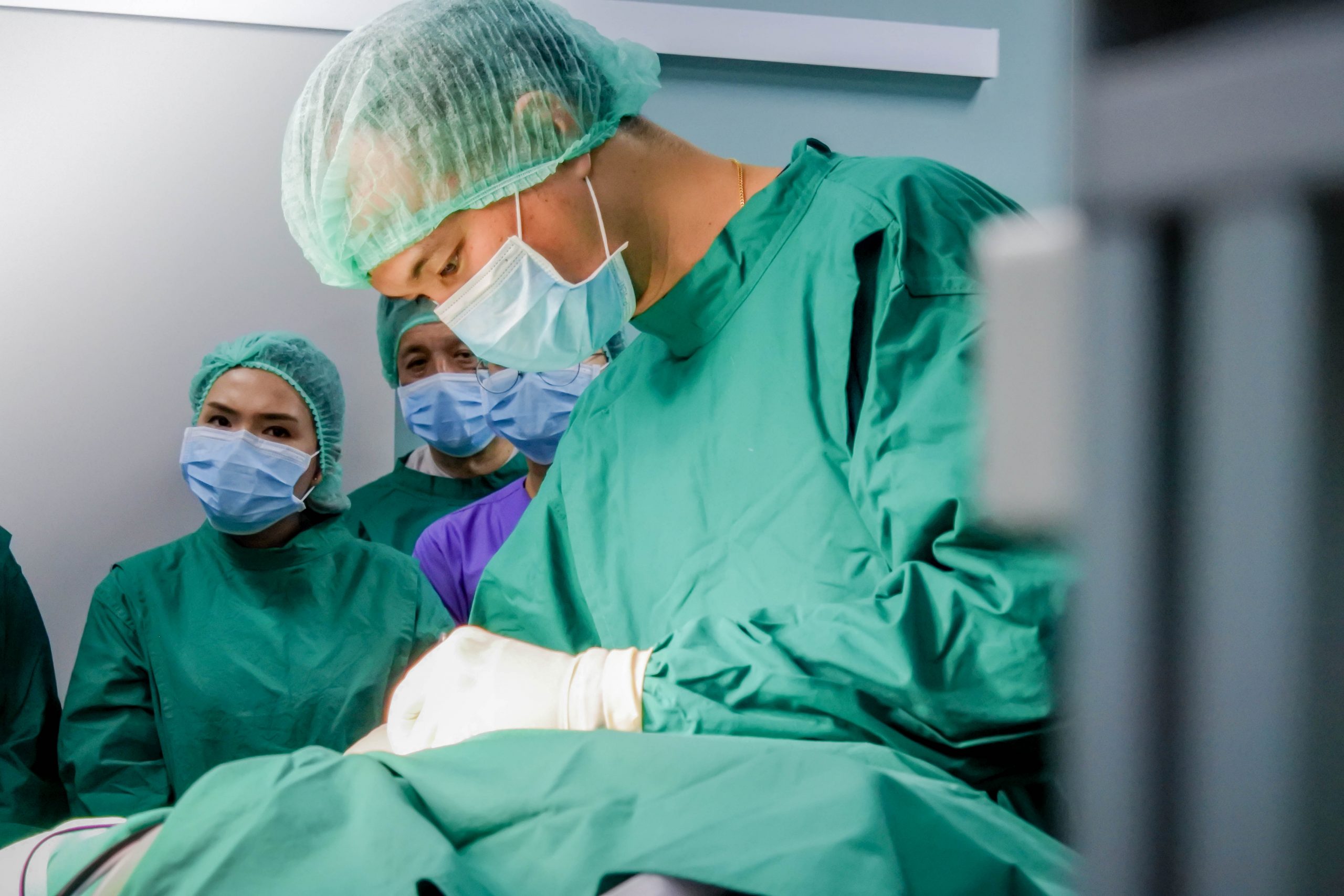
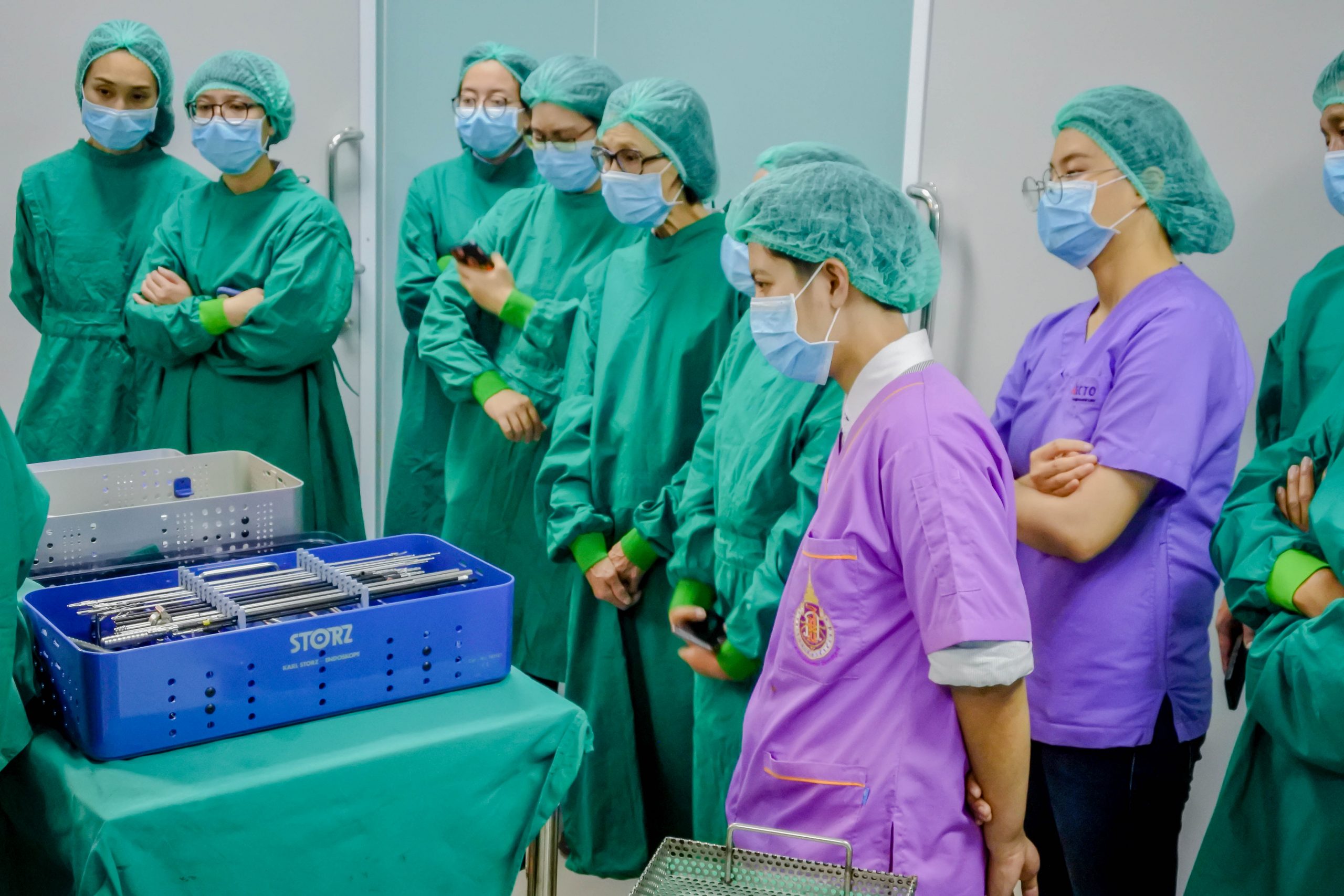
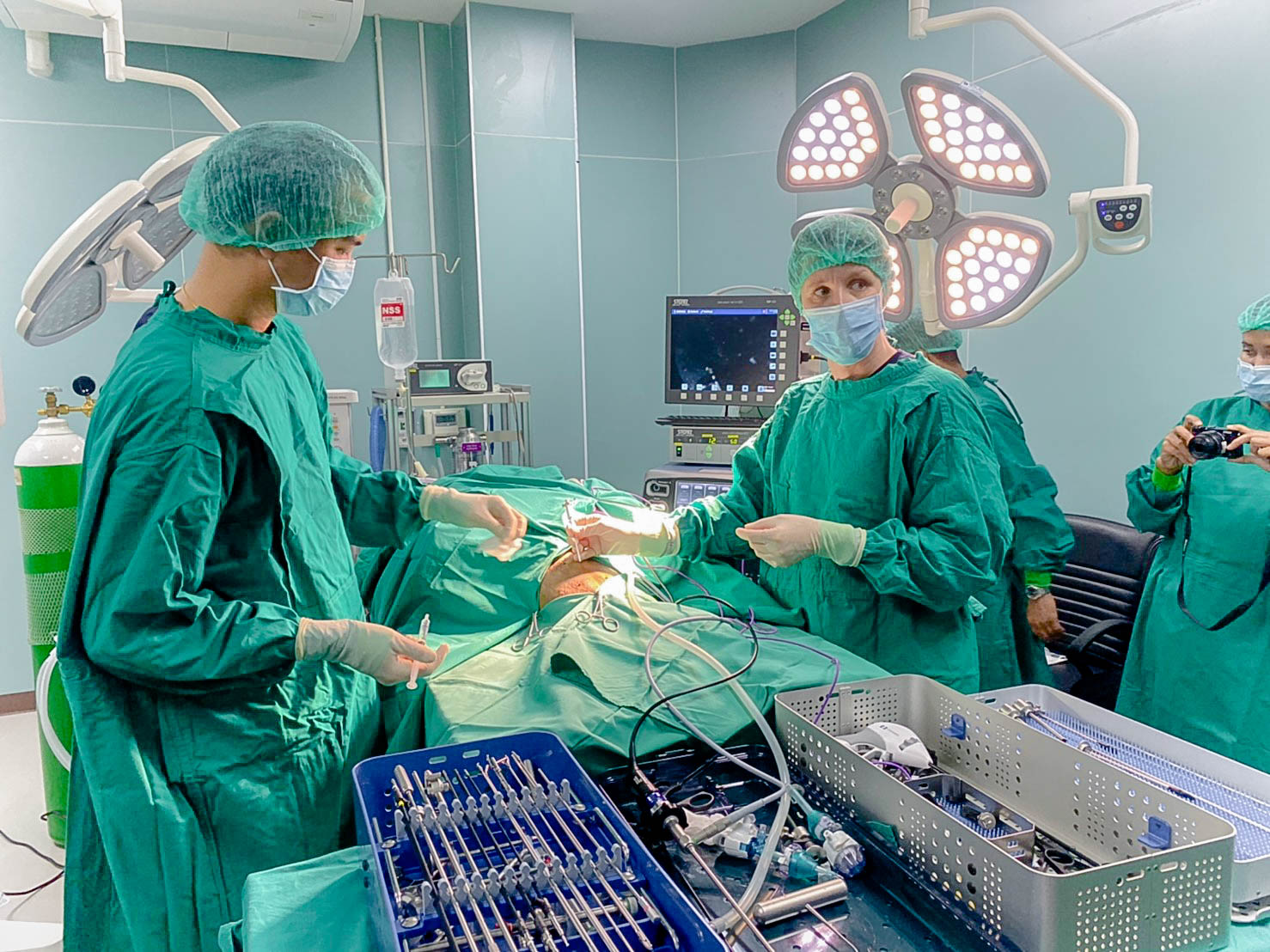
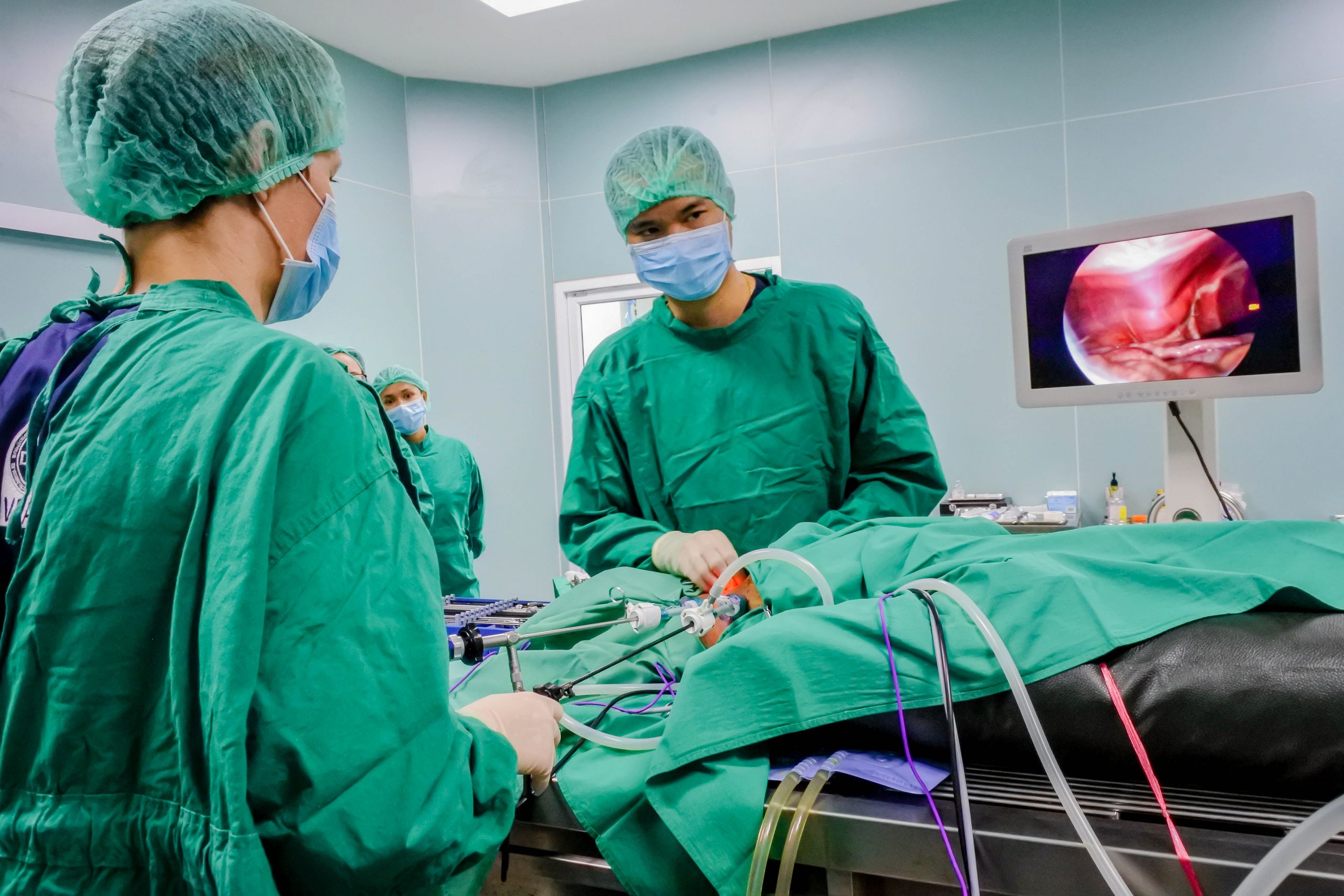
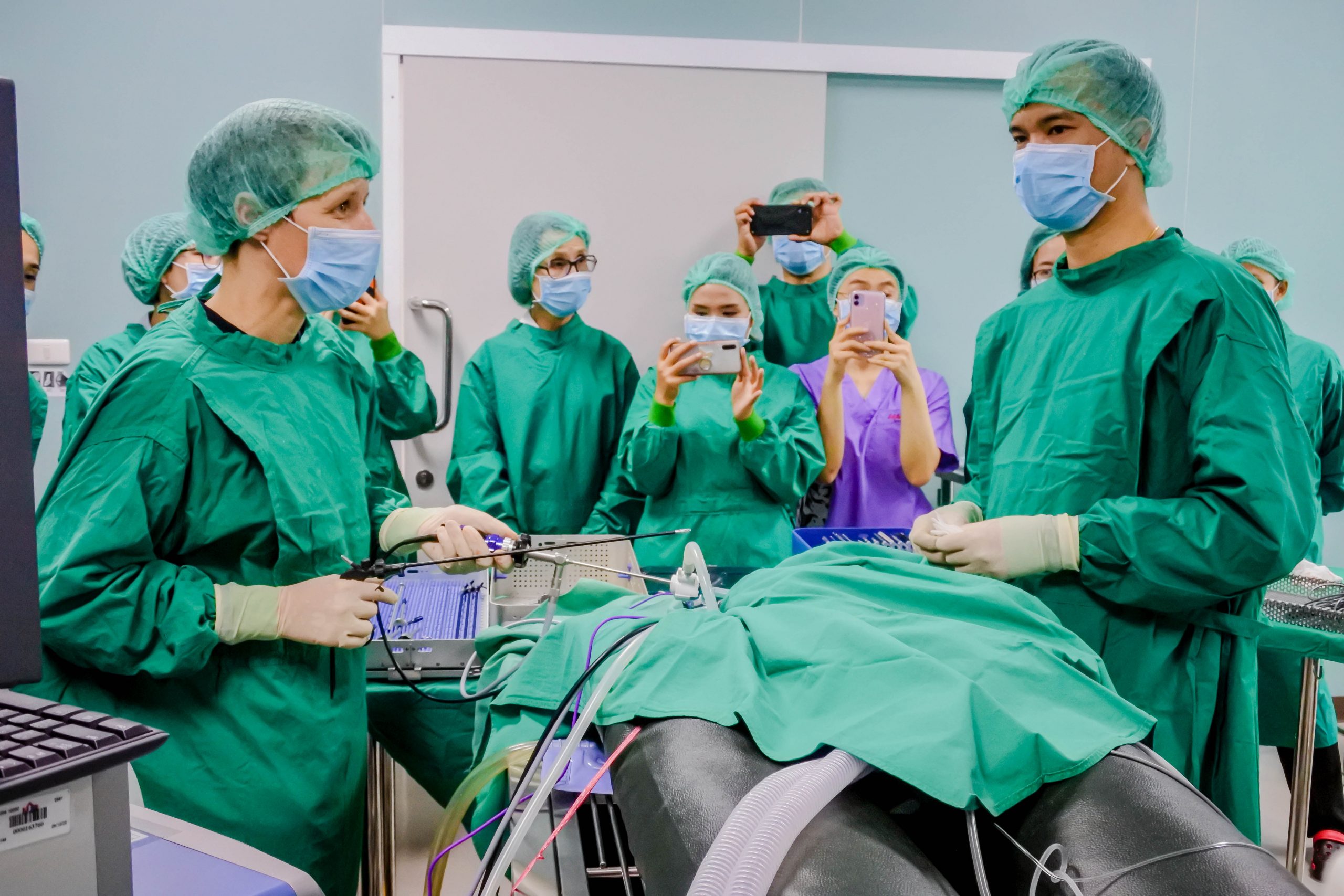
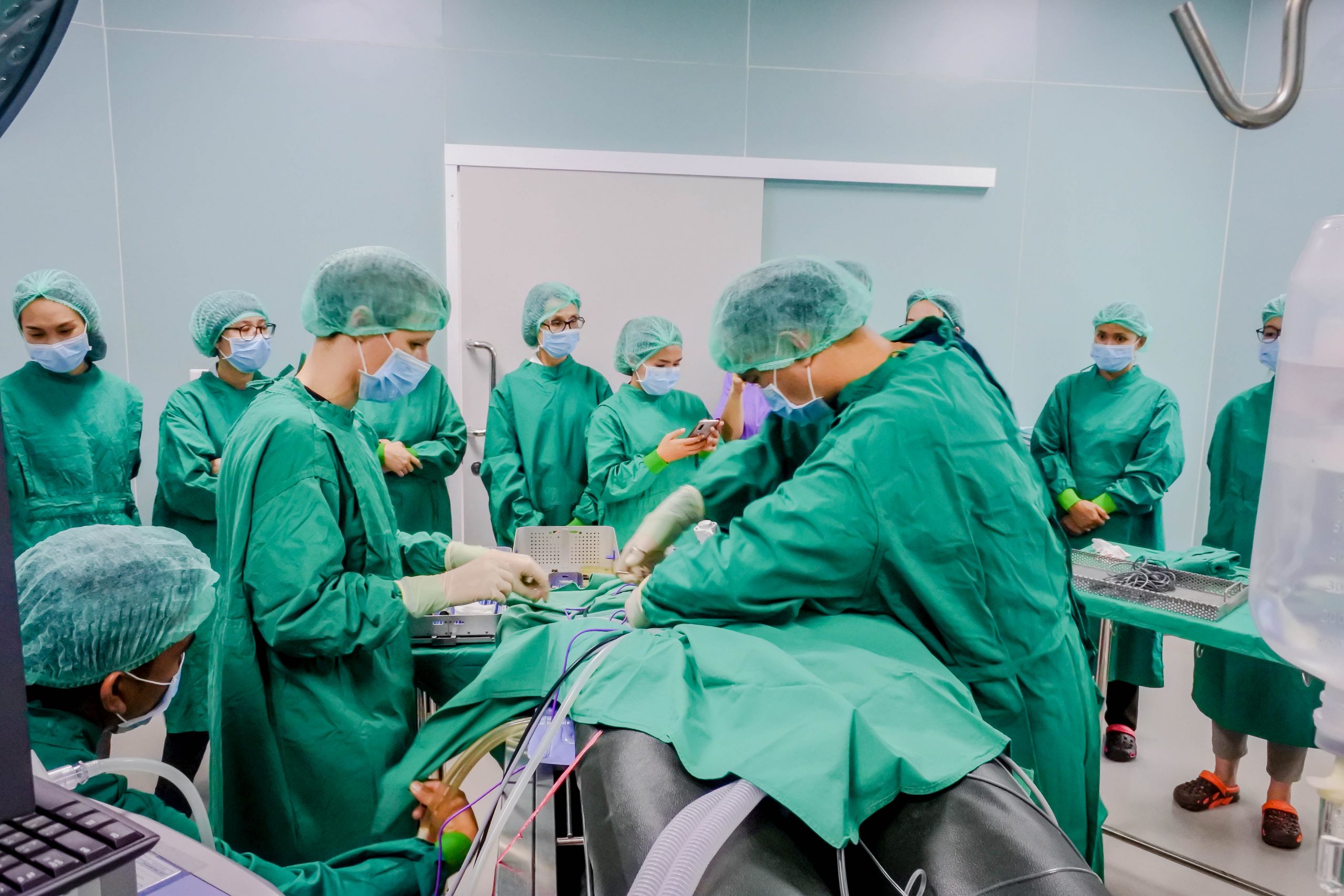
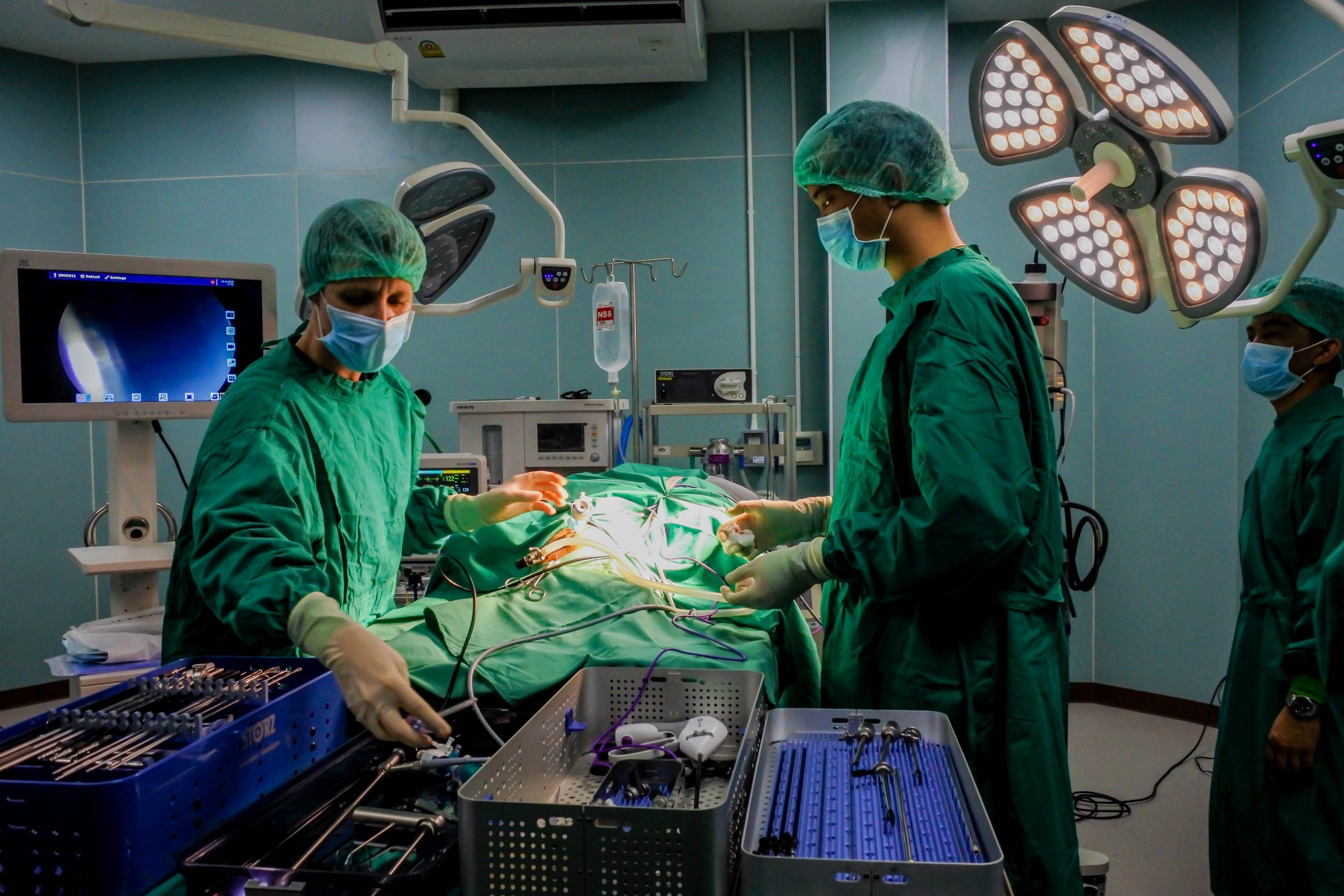
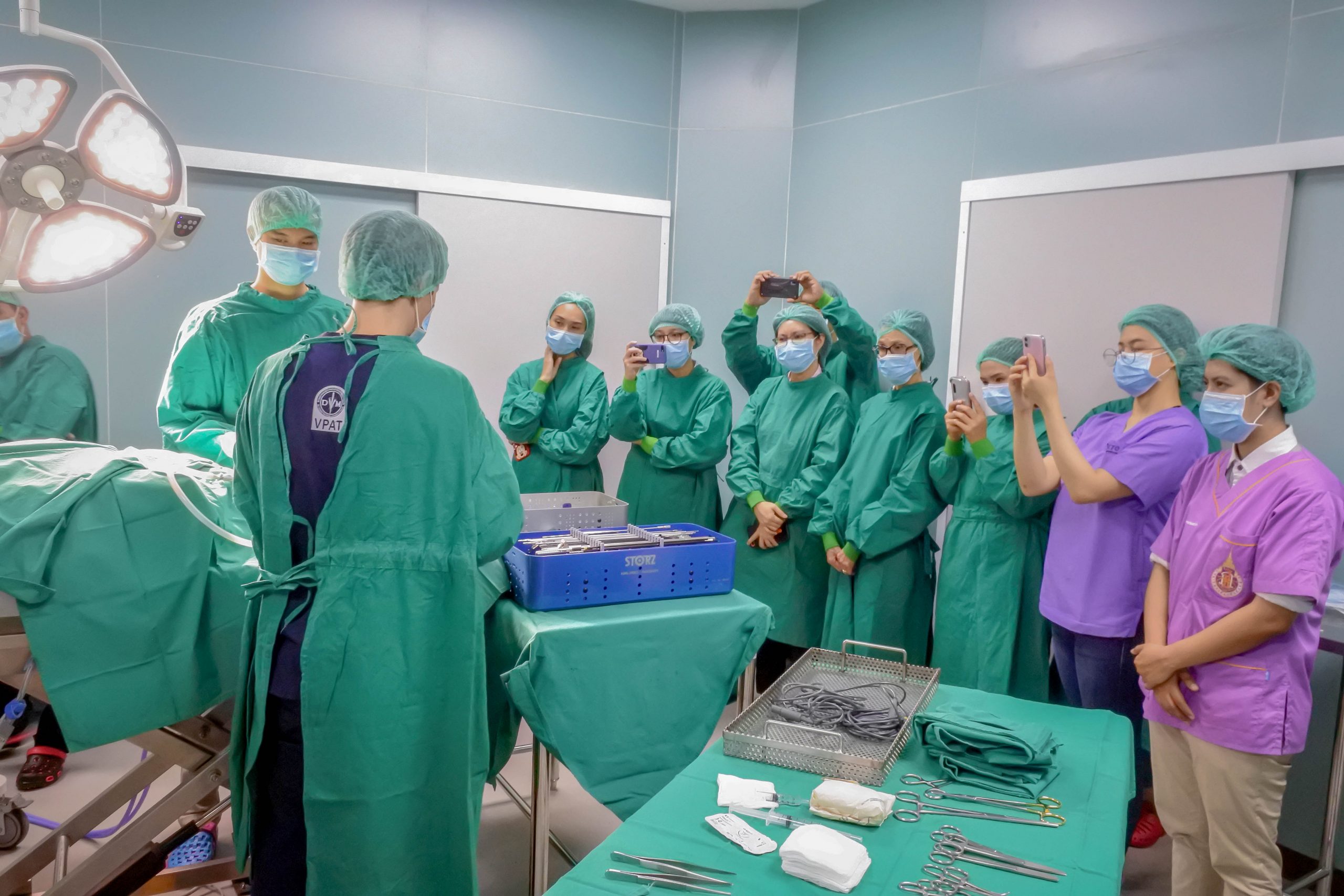
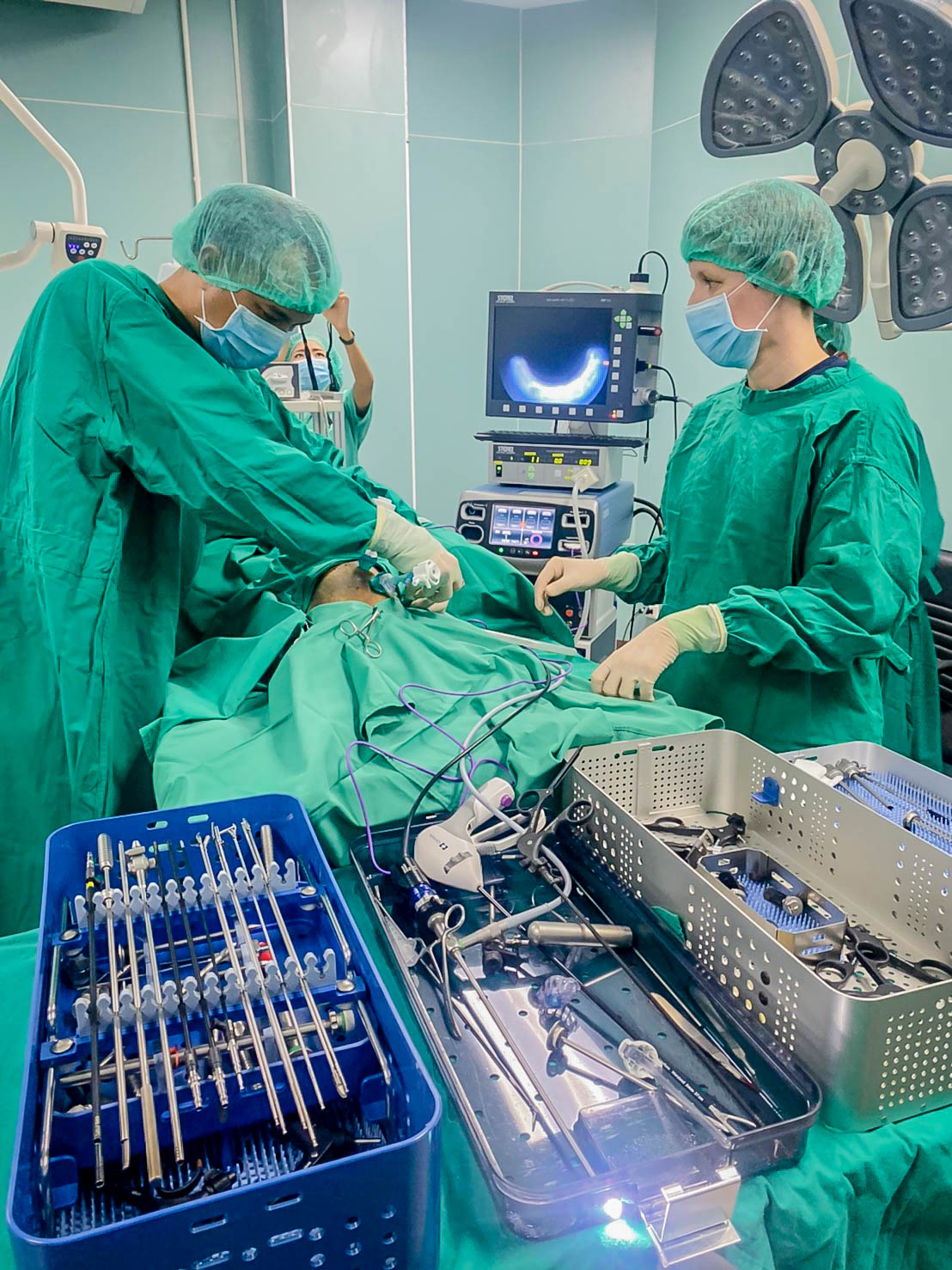
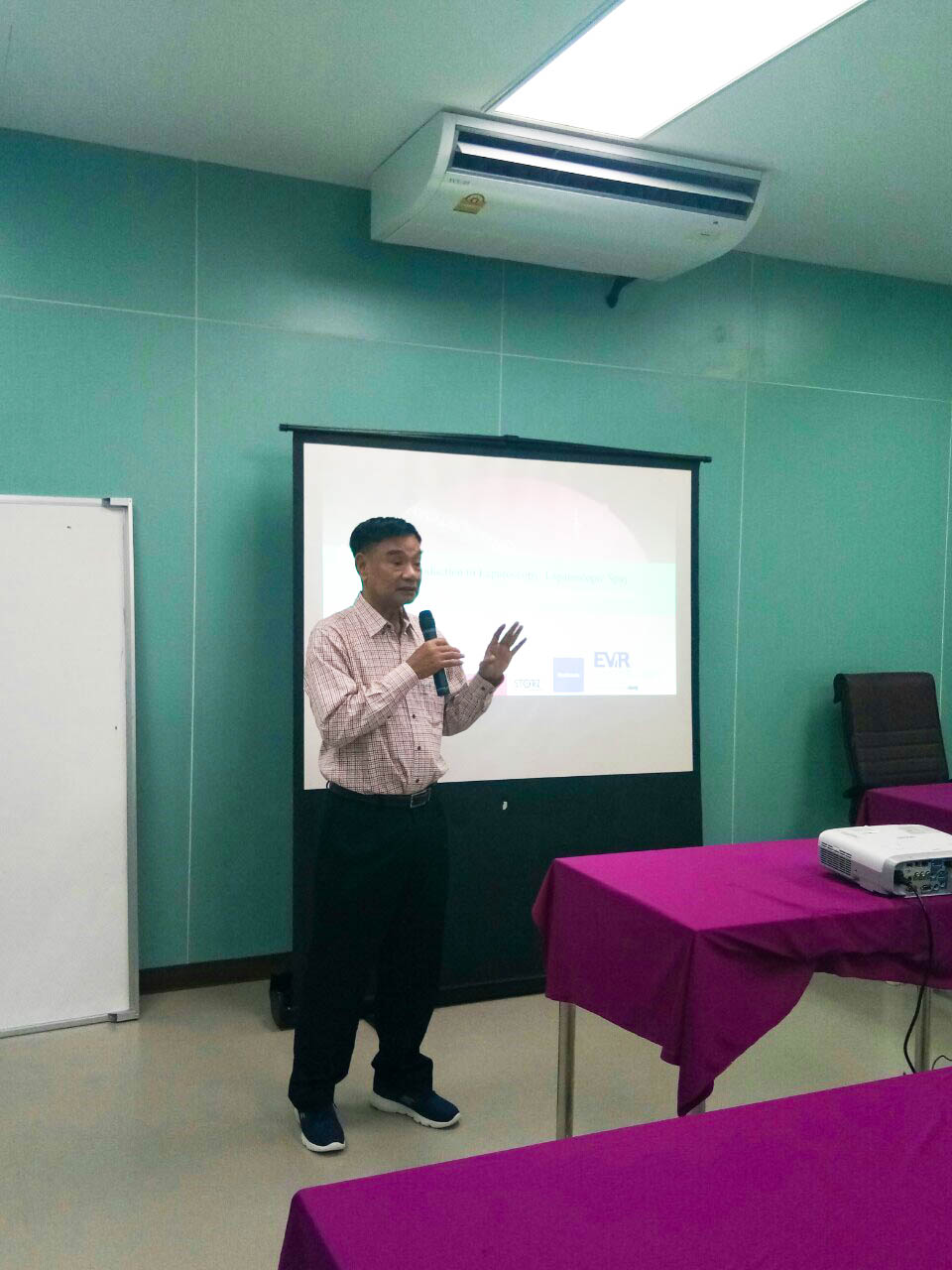
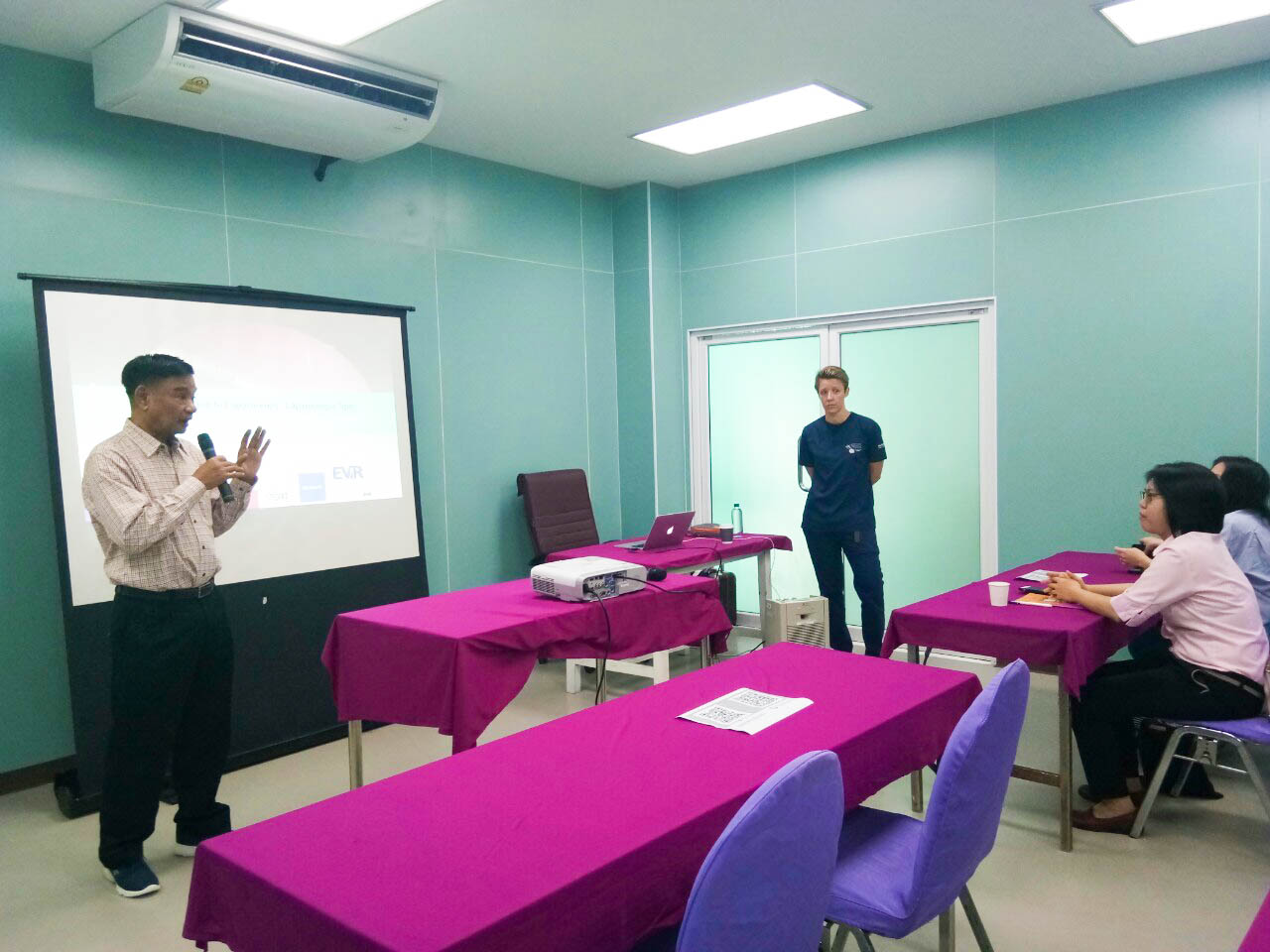
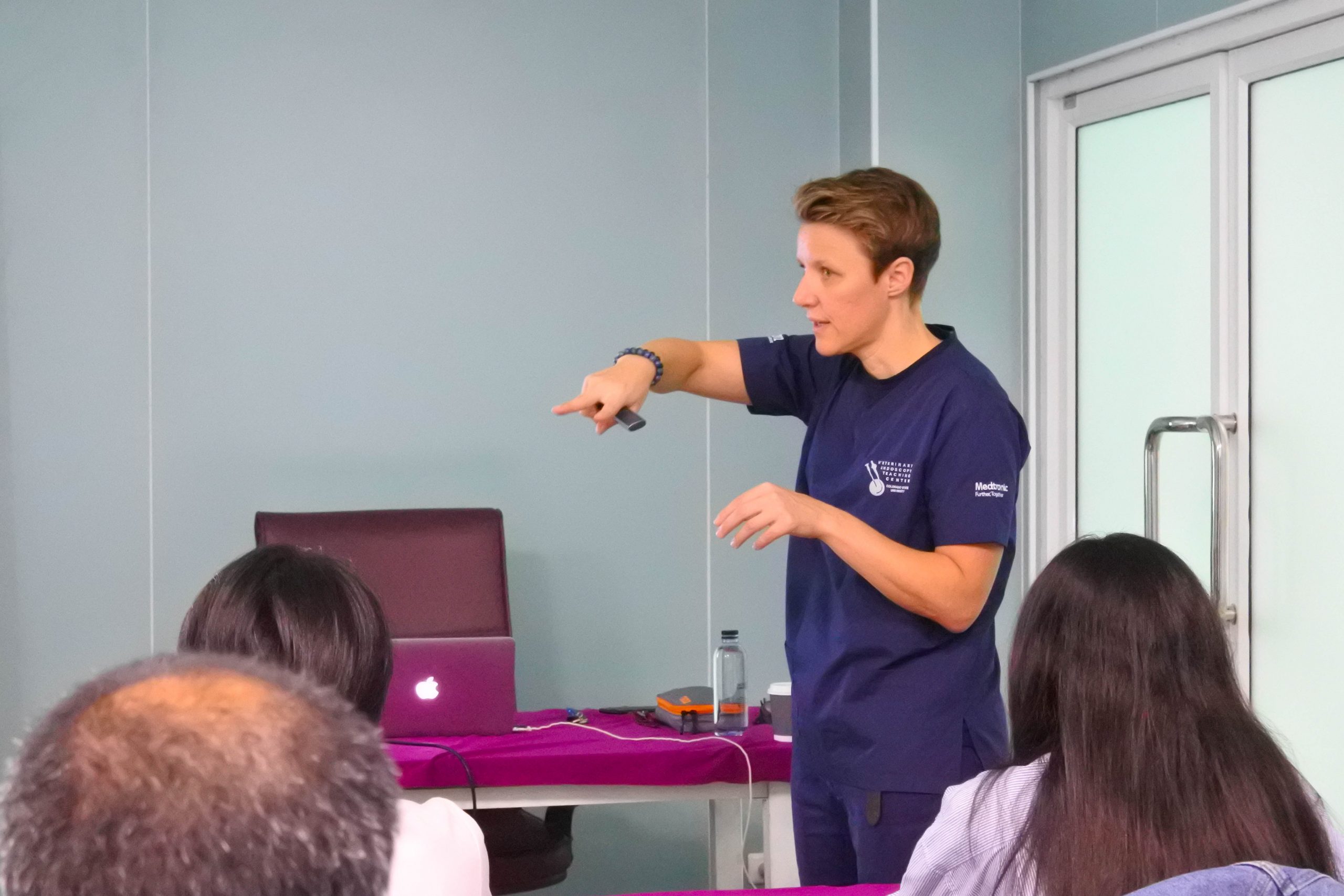
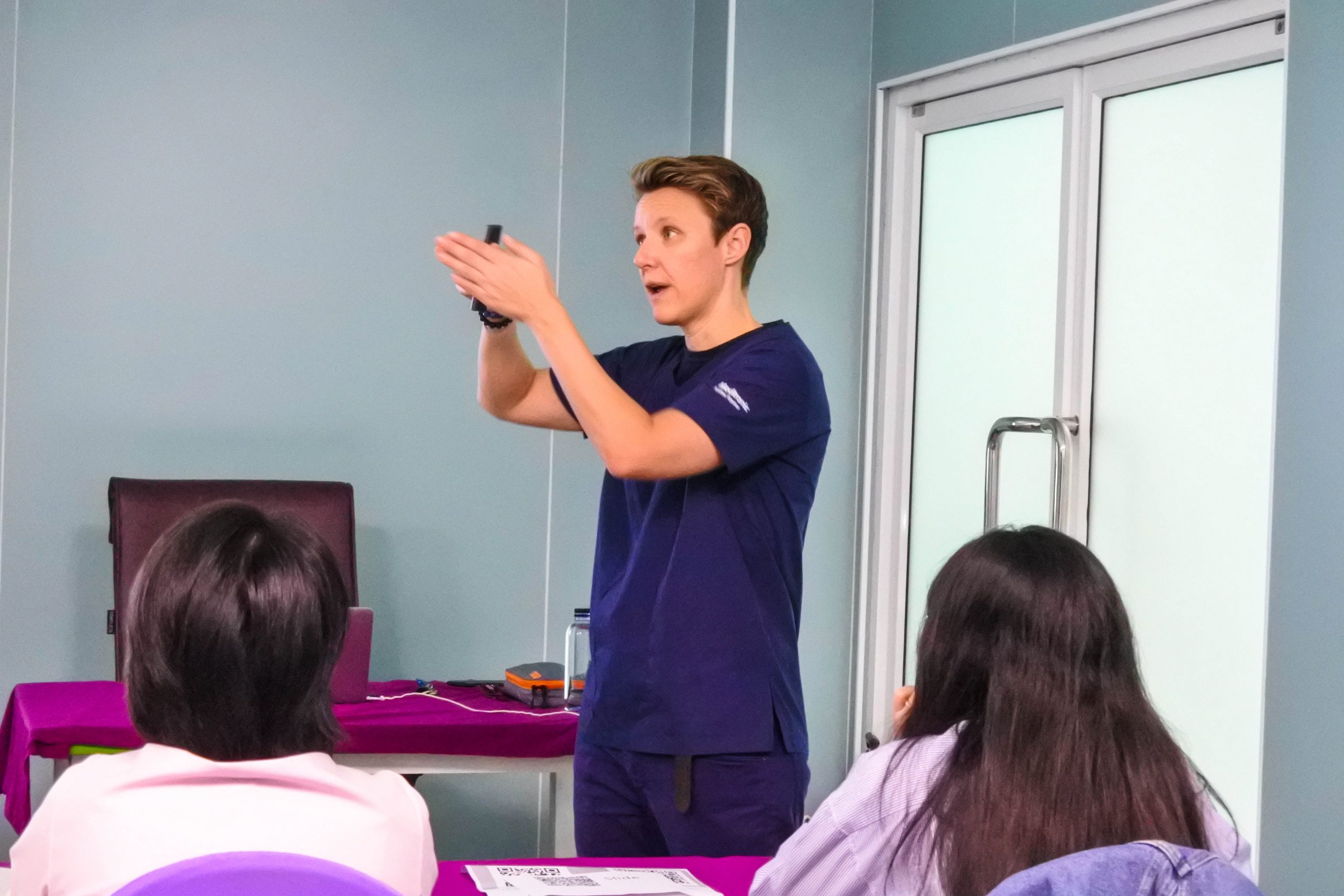
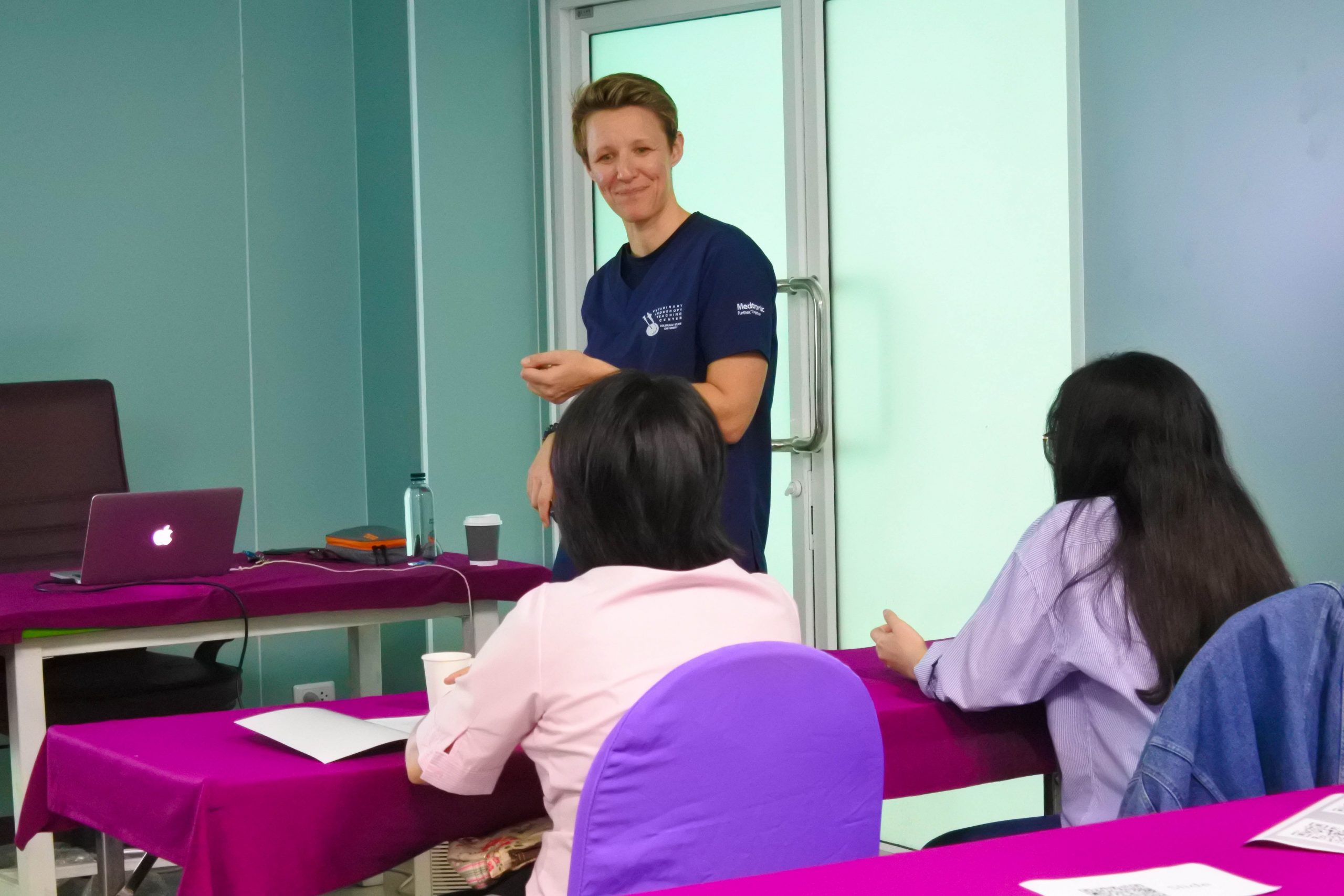
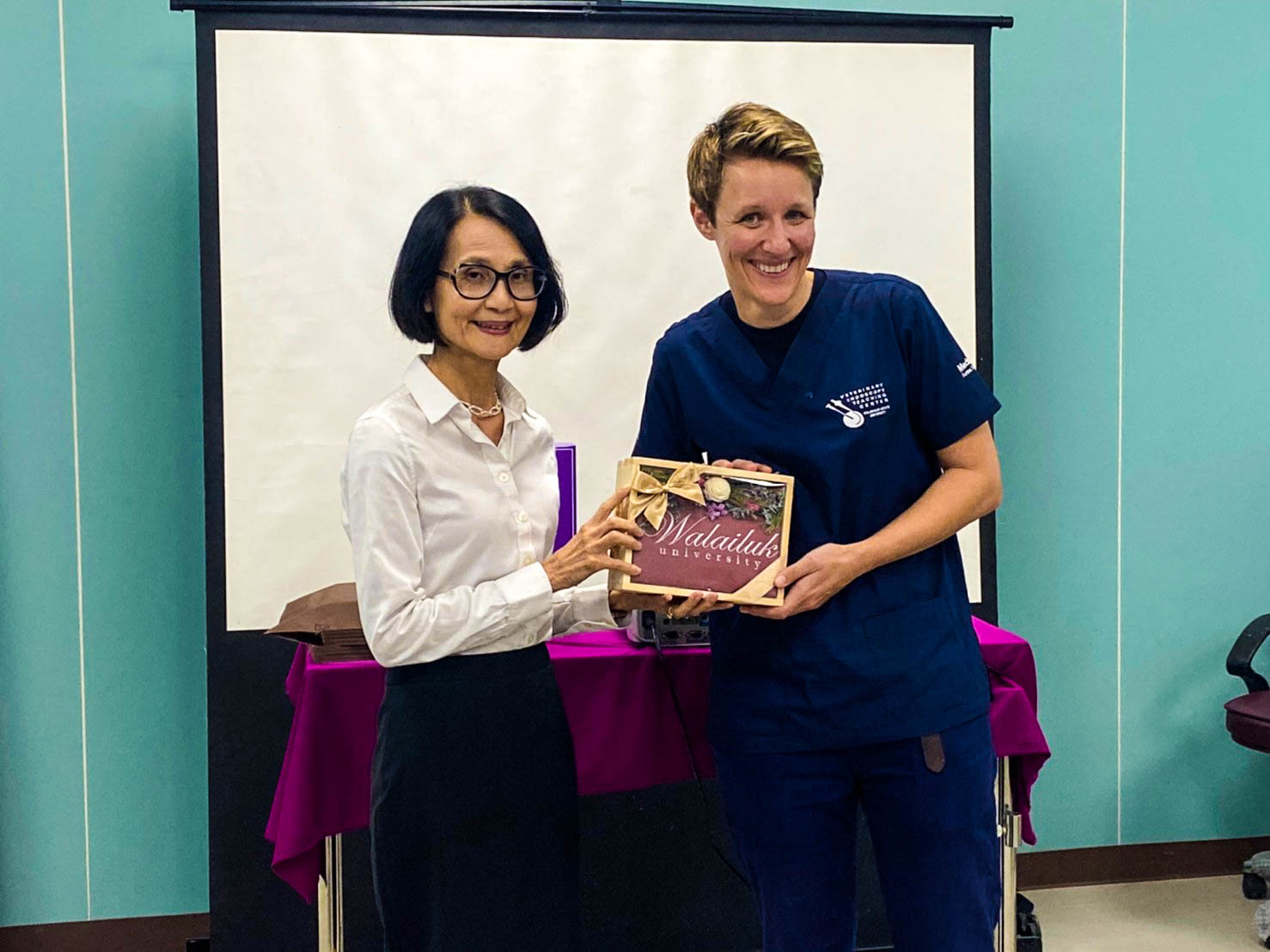
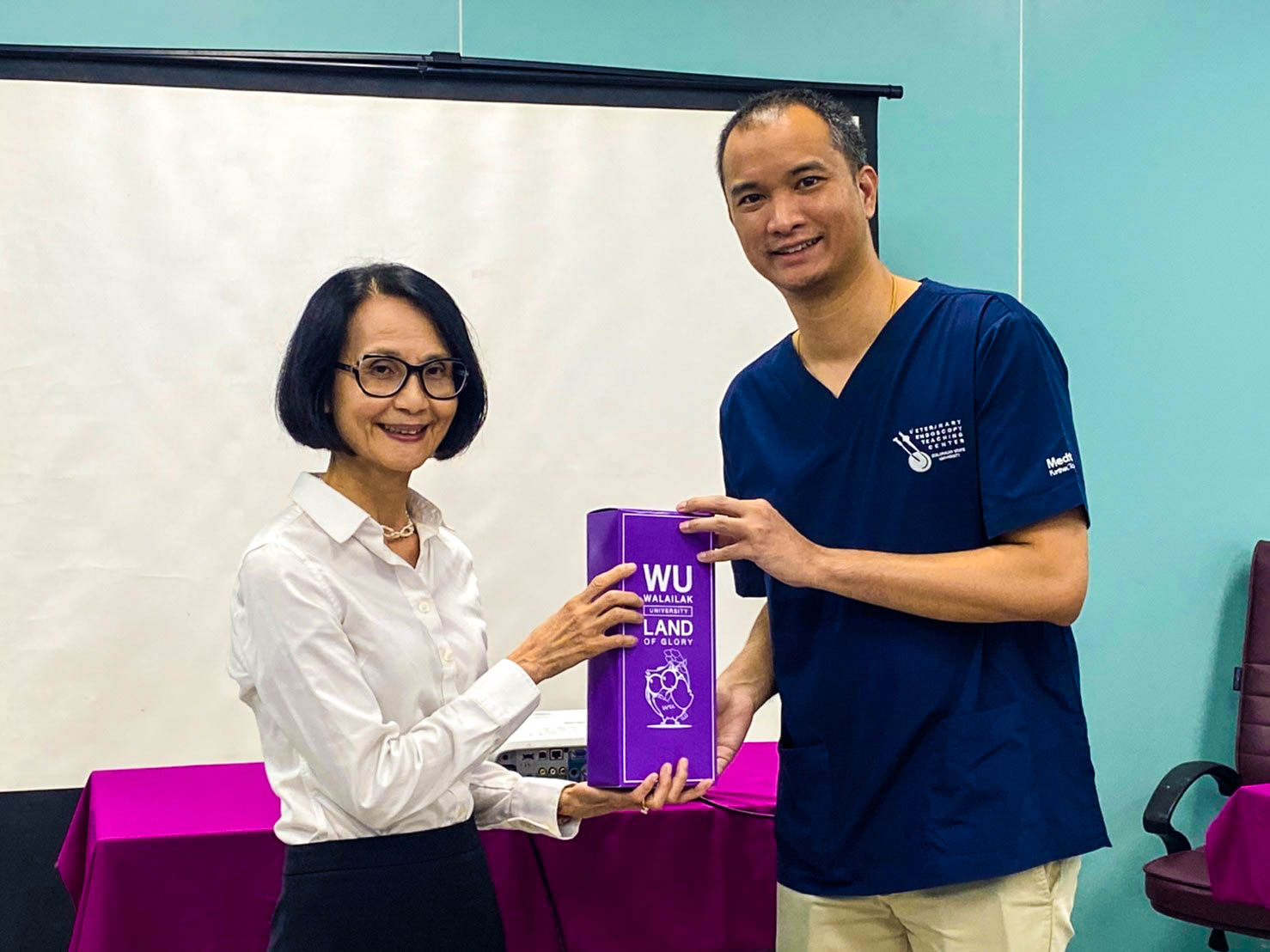
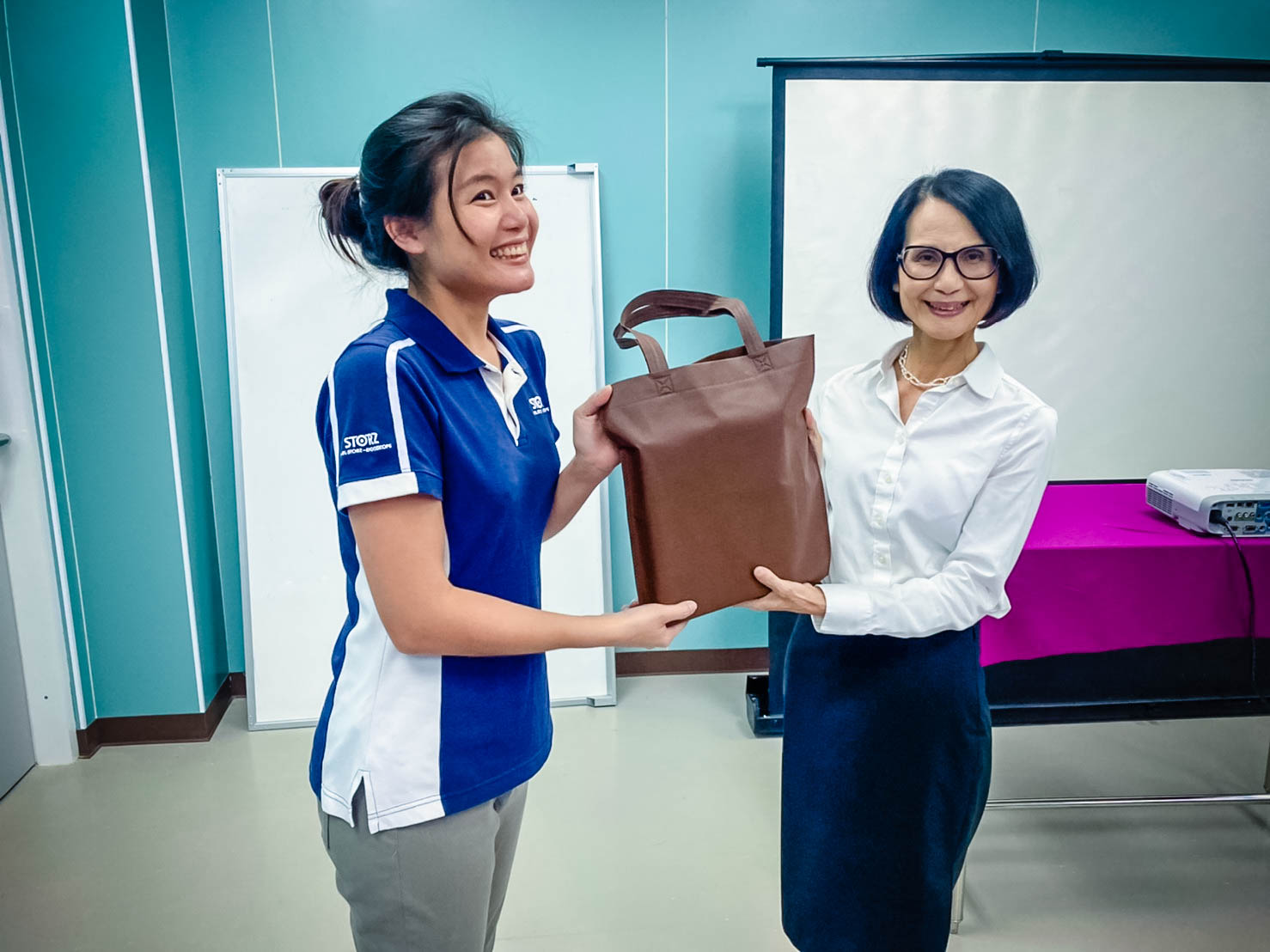
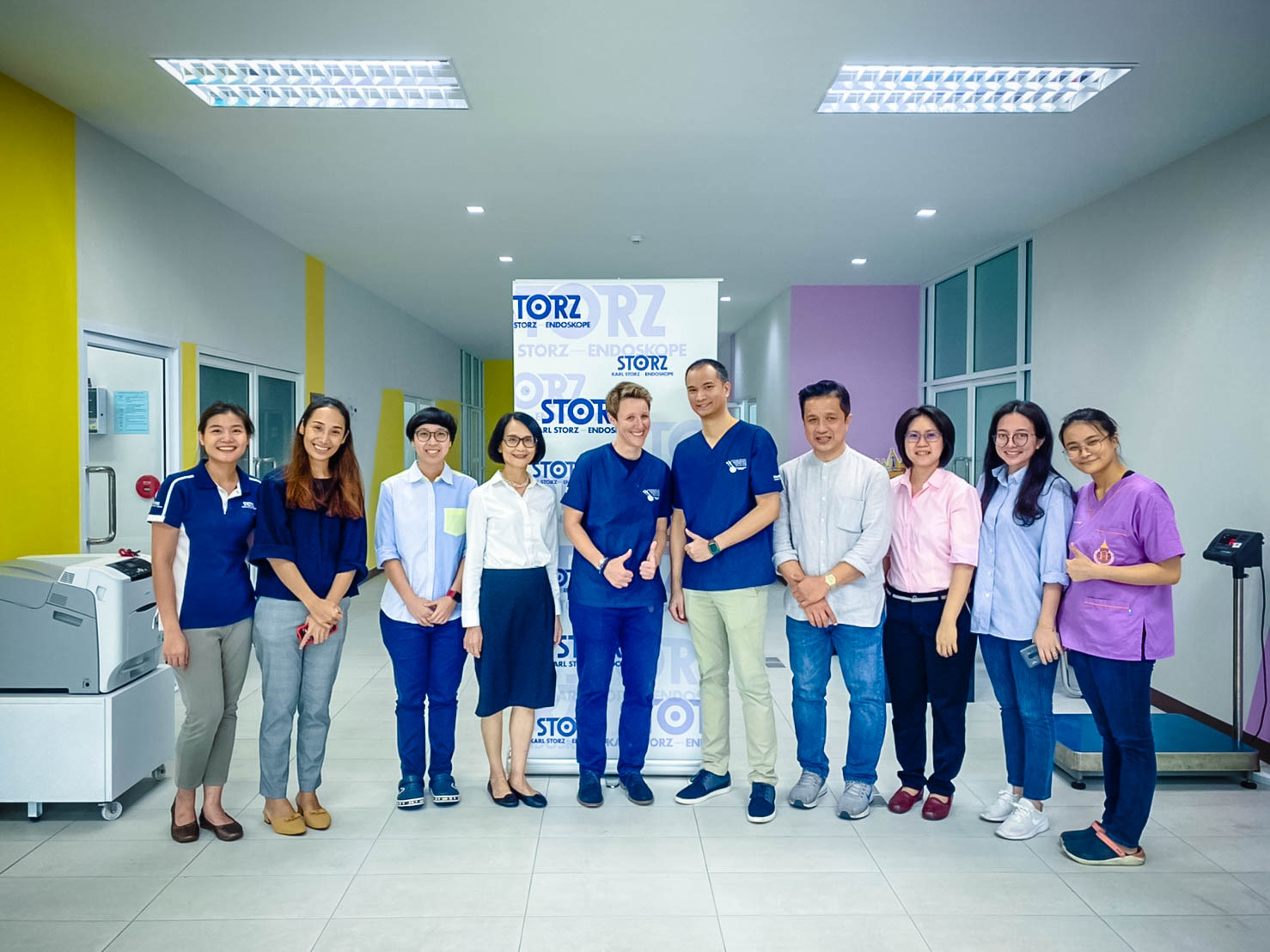
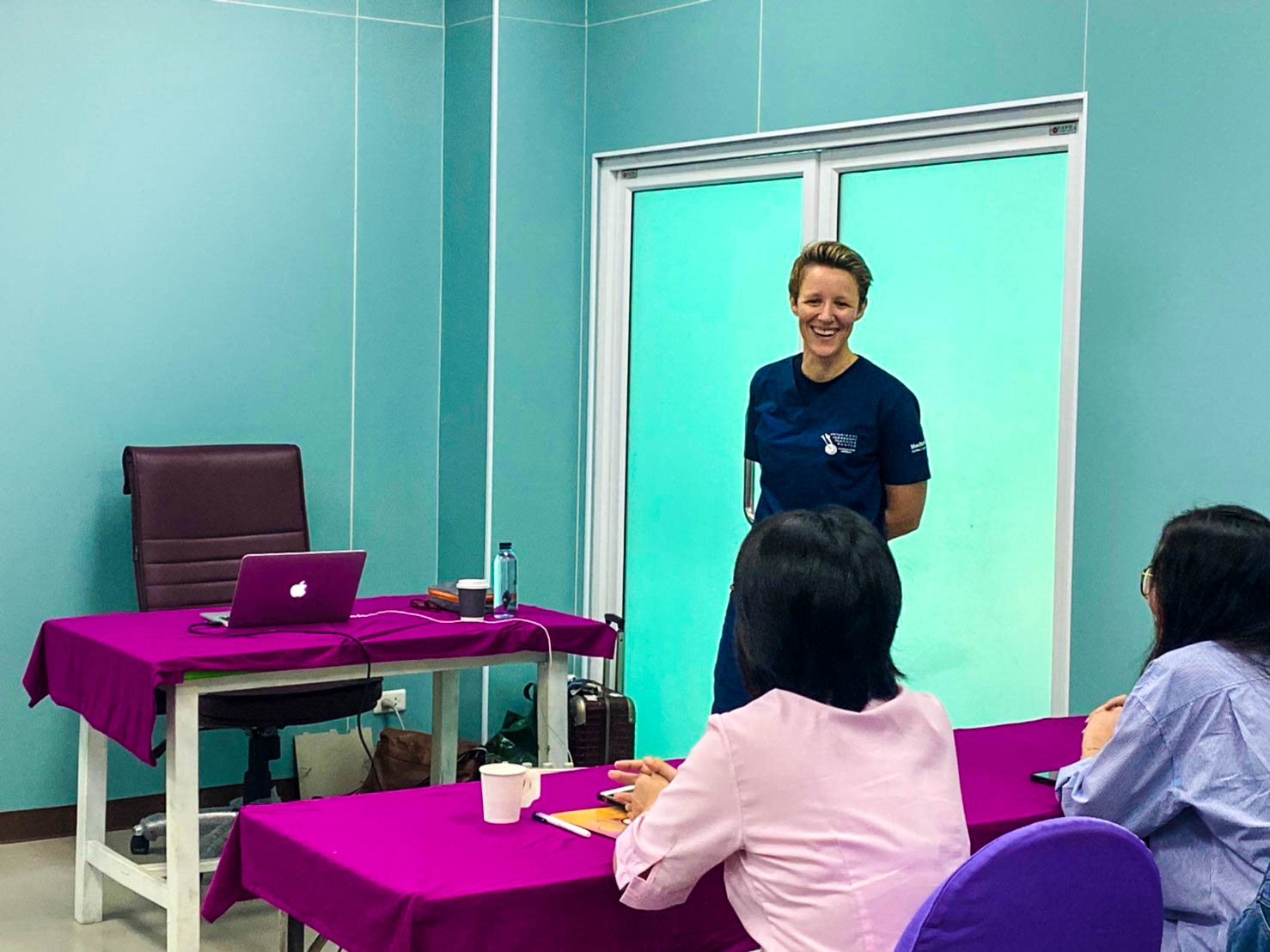
Friday, November, 15th, 2019 Small Animal Teaching Hospital, Akkhararatchakumari veterinary College, Walaialak University hosted a world-class veterinary continuing education workshop led by Dr.Elise Robertson, a well-known endoscopy expert. The workshop aimed to transfer knowledge and skills of laparoscopic overiectomy (taking ovaries out from the dog by minimizing surgical wound incisions) to participants from universities and veterinary clinics. The participants were having a chance to practice to ensure the use of the equipment and performed well under supervision of the course instructor. AVC teaching hospital will host more continuing education workshop with instructor from leading veterinarian from aboard and in-country as well to serve the local veterinary community and also bringing frontier of science to Nakorn Si Thammarat. Please like our Facebook page to receive the news of upcoming workshop.คต |


|
October 29th, 2019 Dr.Rattapan Pattanarangsan was invited as a guest speaker for Walailak University Health Promoting Radio Program ( วลัยลักษณ์ รักษ์สุขภาพ ). Dr.Rattapan Pattanarangsan brought an interesting topic of “A new longevity elixir; house pets”. A talk is based on finding of a newly published paper from American Heart Association Journal’s meta-analysis study. The conclusion included more than 3.8 million study subjects had a summary that people that have house pet are having 24% chance to live longer. Dr.Rattapan mentioned that the study is a sum up evidence but the direct experience that everybody who own at lease a pet has is relaxing livelihood. Simply petting your furry pet can bring down the blood pressure already. The pets mentioned in the talk was mainly be dogs and cats but there are also some studies with other pets such as cricket can help with the human health too. The main benefit of having pets is reducing blood pressure and relieving stress. At the end of the talk Dr.Rattapan pointed out that when the pets can give us a beneficial health quality, we should pay back to the pets with tender care and attention. Those pets cannot talk, so bringing pets to receive health care service from a good veterinary hospital is a way to show your gratitude to the good quality of life they gave us. Also an announcement for anyone who wish to have pets. Walailak Dog shelter is open for dog adoption, anyone who is planning to have a pet for longevity or other purpose can contact 075-673-902 for information and getting into the adoption program. Link to the program : click |
|
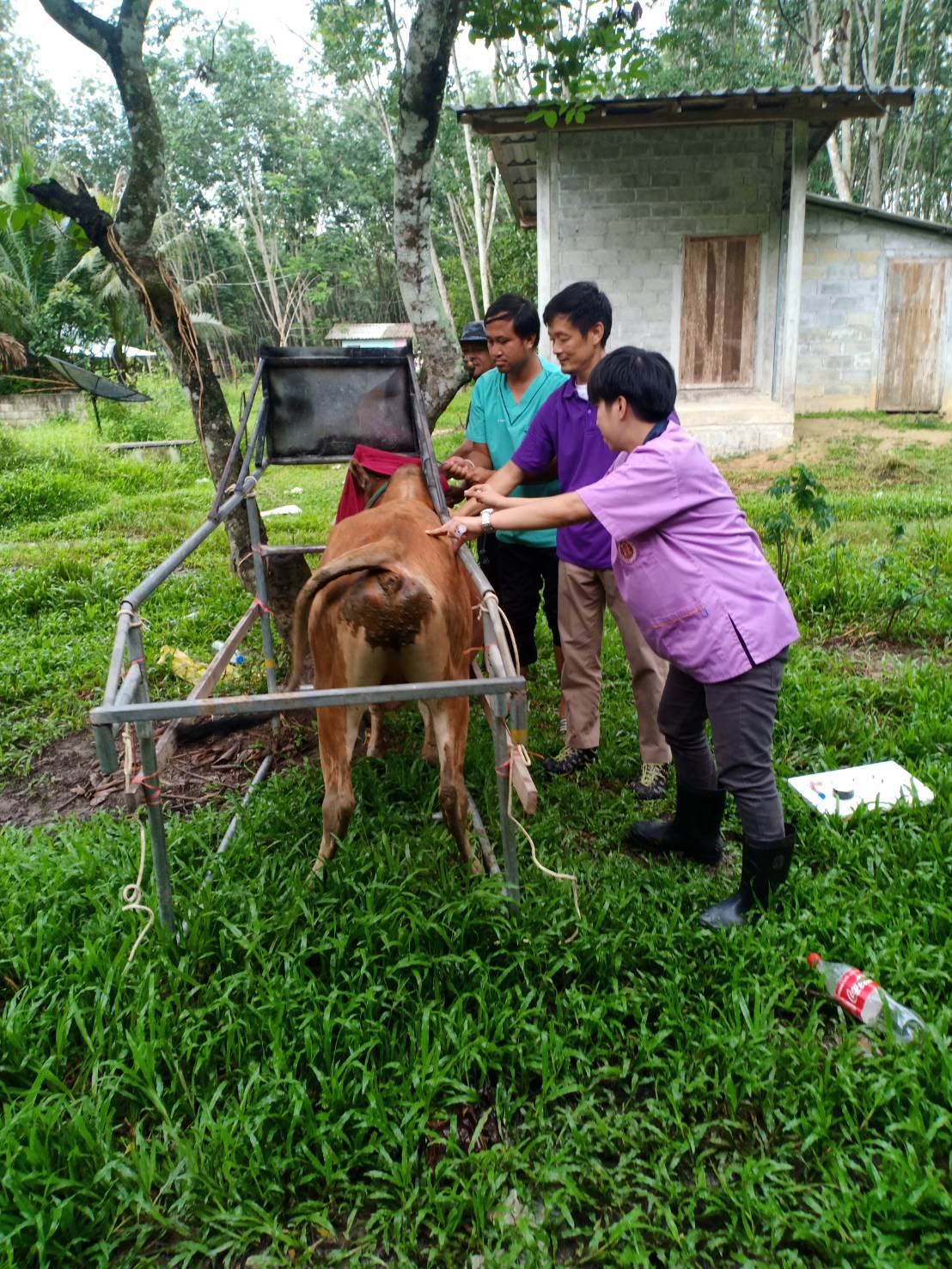
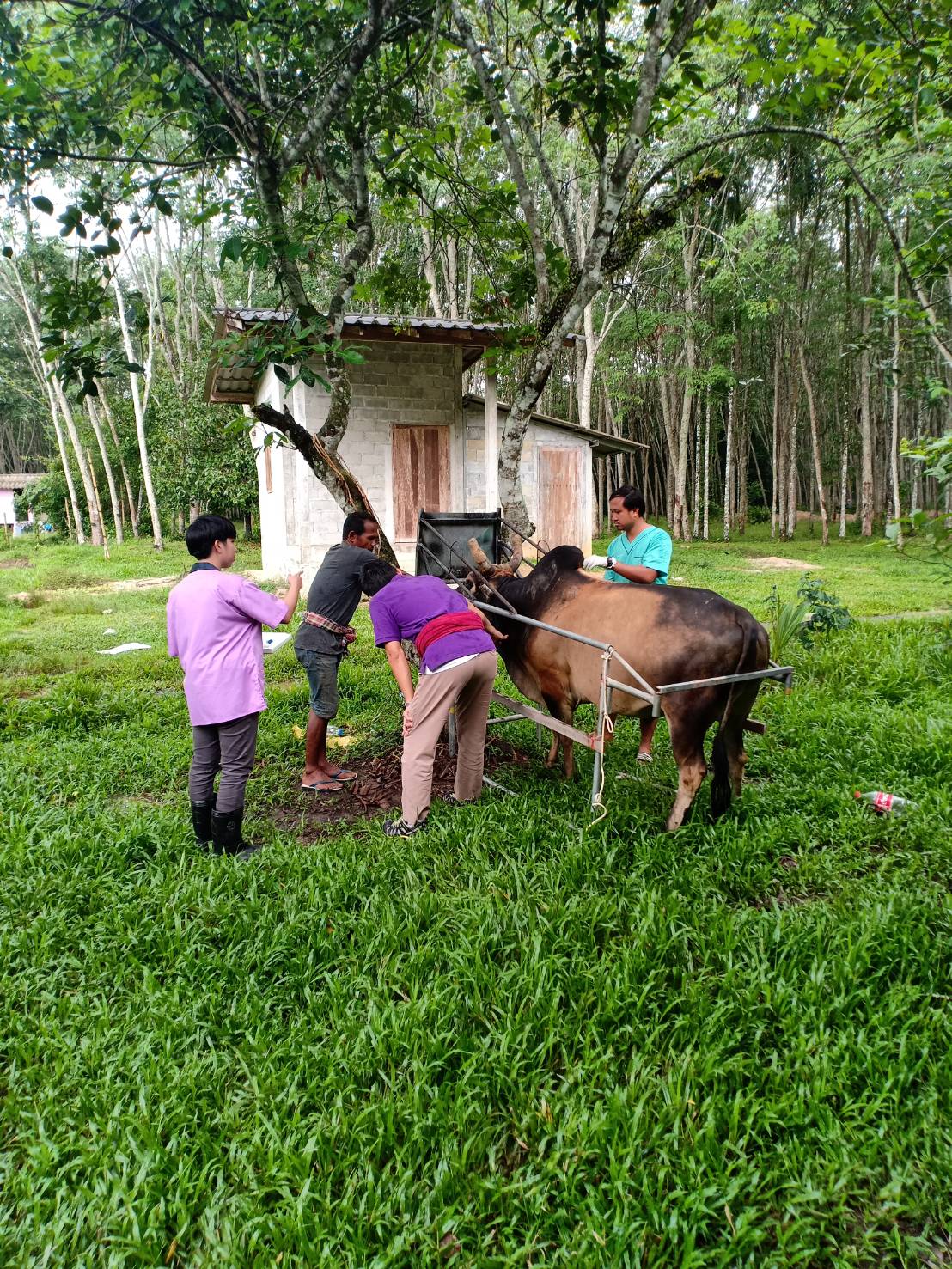
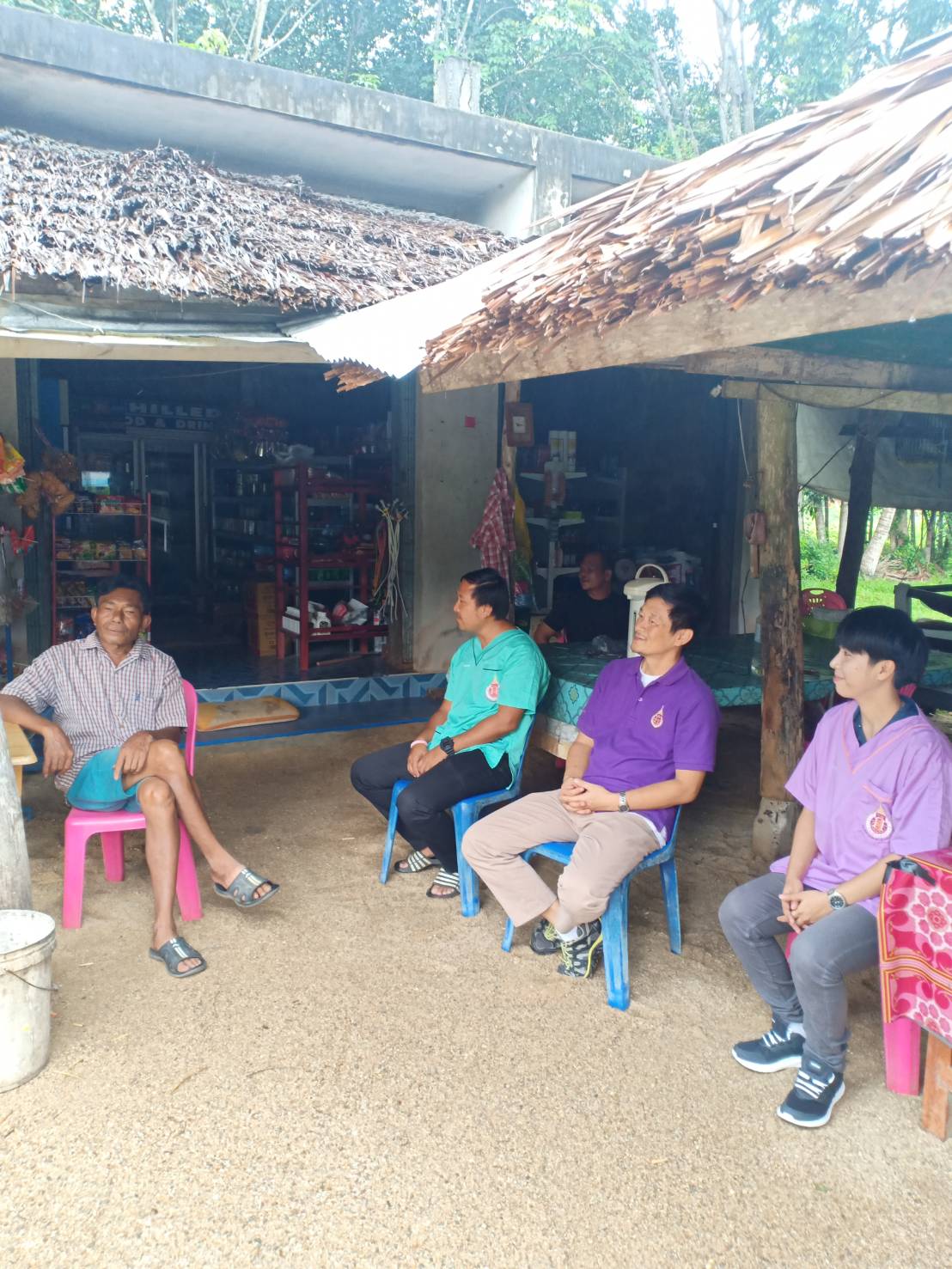
October 28th, 2019 Dr.Rattapan Pattanarangsan and Dr.Purima Phrommontri along with Akkahararatchakumari Veterinary Teaching Hospital staffs went out for fighting bulls’ blood collection mission. The aim of this mission is to obtain blood samples from fighting bulls for blood analyzer setting and calibration. Fighting bull is a big business for Southern Thailand as an estimate monetary volume about five billions Baht per year. The maximum price for the grand champion competition is up to 10 million Baht. AVC teaching hospital will be ready to receive fighting bull case in the next month starting from health check, basic management consultation, parasite control program designing, vaccination, sport medicine and etc. Veterinary students and bull owners will both be beneficial from the upcoming services. The Large animal section of AVC veterinary teaching hospital will be finished and fulfilled the services in the beginning of the year 2020. |
| ลำดับ | รายการ | ผู้รับผิดชอบ |
| 1 | ตู้เหล็กชั้นบน 1 | อาจารย์ สพ.ญ.ภาวินี กุลนานันท์ |
| 2 | ตู้เหล็กชั้นล่าง 1 | อาจารย์ สพ.ญ.ภาวินี กุลนานันท์ |
| 3 | ตู้เหล็กชั้นบน 2 | อาจารย์ สพ.ญ.ภาวินี กุลนานันท์ |
| 4 | ตู้เหล็กชั้นล่าง 2 | อาจารย์ สพ.ญ.ภาวินี กุลนานันท์ |
| 5 | ตู้เหล็กชั้นบน 3 | อาจารย์ สพ.ญ.ชลัชวรรณ แสนเสมอ |
| 6 | ตู้เหล็กชั้นล่าง 3 | อาจารย์ สพ.ญ.ชลัชวรรณ แสนเสมอ |
| 7 | ตู้เหล็กชั้นบน 4 | ผศ.ดร.น.สพ.ฐานิสร์ ดำรงวัฒนโภคิน |
| 8 | ตู้เหล็กชั้นล่าง 4 | ผศ.ดร.น.สพ.ฐานิสร์ ดำรงวัฒนโภคิน |
| 9 | ตู้เหล็กชั้นบน 5 | ผศ.ดร.น.สพ.ฐานิสร์ ดำรงวัฒนโภคิน |
| 10 | ตู้เหล็กชั้นล่าง 5 | ผศ.ดร.น.สพ.ฐานิสร์ ดำรงวัฒนโภคิน |
| ลำดับ | รายการ | ผู้รับผิดชอบ |
| 1 | ตู้เหล็กชั้นบน 1 | ผศ.ดร.วรางคณา กิจพิพิธ |
| 2 | ตู้เหล็กชั้นล่าง 1 | ผศ.ดร.วรางคณา กิจพิพิธ |
| 3 | ตู้เหล็กชั้นบน 2 | ผศ.ดร.วรางคณา กิจพิพิธ |
| 4 | ตู้เหล็กชั้นล่าง 2 | ผศ.ดร.วรางคณา กิจพิพิธ |
| 5 | ตู้เหล็กชั้นบน 3 | อาจารย์ น.สพ.ดร.มาโนชญ์ ยินดี |
| 6 | ตู้เหล็กชั้นล่าง 3 | อาจารย์ น.สพ.ดร.มาโนชญ์ ยินดี |
| 7 | ตู้เหล็กชั้นบน 4 | อาจารย์ น.สพ.ดร.มาโนชญ์ ยินดี |
| 8 | ตู้เหล็กชั้นล่าง 4 | อาจารย์ น.สพ.ดร.มาโนชญ์ ยินดี |
| 9 | ตู้เหล็กชั้นบน 5 | อาจารย์ น.สพ.ดร.เดชธชัย เกตุพันธุ์ |
| 10 | ตู้เหล็กชั้นล่าง 5 | อาจารย์ น.สพ.ดร.เดชธชัย เกตุพันธุ์ |
| 11 | ตู้เหล็กชั้นบน 6 | อาจารย์ น.สพ.ดร.เดชธชัย เกตุพันธุ์ |
| 12 | ตู้เหล็กชั้นล่าง 6 | อาจารย์ น.สพ.ดร.เดชธชัย เกตุพันธุ์ |
| ลำดับ | รายการ | ผู้รับผิดชอบ |
| 1 | ตู้เหล็กชั้นบน 1 | อาจารย์ ดร.นารินทร์ สนธิกัณย์ |
| 2 | ตู้เหล็กชั้นล่าง 1 | อาจารย์ ดร.นารินทร์ สนธิกัณย์ |
| 3 | ตู้เหล็กชั้นบน 2 | อาจารย์ ดร.นารินทร์ สนธิกัณย์ |
| 4 | ตู้เหล็กชั้นล่าง 2 | อาจารย์ ดร.นารินทร์ สนธิกัณย์ |
| 5 | ตู้เหล็กชั้นบน 3 | รศ.สพ.ญ.ดร.สุมาลี บุญมา |
| 6 | ตู้เหล็กชั้นล่าง 3 | รศ.สพ.ญ.ดร.สุมาลี บุญมา |
| 7 | ตู้เหล็กชั้นบน 4 | รศ.สพ.ญ.ดร.สุมาลี บุญมา |
| 8 | ตู้เหล็กชั้นล่าง 4 | รศ.สพ.ญ.ดร.สุมาลี บุญมา |
| 9 | ตู้เหล็กชั้นบน 5 | ผศ.ดร.งามจิตต์ จงกิจถาวร |
| 10 | ตู้เหล็กชั้นล่าง 5 | ผศ.ดร.งามจิตต์ จงกิจถาวร |
| 11 | ตู้เหล็กชั้นบน 6 | ผศ.ดร.งามจิตต์ จงกิจถาวร |
| 12 | ตู้เหล็กชั้นล่าง 6 | ผศ.ดร.งามจิตต์ จงกิจถาวร |
| 13 | ตู้เหล็กชั้นบน 7 | อาจารย์ น.สพ.ดร.ทศพล ธำรงสุวรรณกิจ |
| 14 | ตู้เหล็กชั้นล่าง 7 | อาจารย์ น.สพ.ดร.ทศพล ธำรงสุวรรณกิจ |
| 15 | ตู้เหล็กชั้นบน 8 | อาจารย์ น.สพ.ดร.ทศพล ธำรงสุวรรณกิจ |
| 16 | ตู้เหล็กชั้นล่าง 8 | อาจารย์ น.สพ.ดร.ทศพล ธำรงสุวรรณกิจ |
| ลำดับ | รายการ | ผู้รับผิดชอบ |
| 1 | ตู้เหล็กชั้นบน 1 | อาจารย์ น.สพ.รัฐพันธ์ พัฒนรังสรรค์ |
| 2 | ตู้เหล็กชั้นล่าง 1 | อาจารย์ น.สพ.รัฐพันธ์ พัฒนรังสรรค์ |
| 3 | ตู้เหล็กชั้นบน 2 | อาจารย์ น.สพ.รัฐพันธ์ พัฒนรังสรรค์ |
| 4 | ตู้เหล็กชั้นล่าง 2 | อาจารย์ น.สพ.รัฐพันธ์ พัฒนรังสรรค์ |
| 5 | ตู้เหล็กชั้นบน 3 | อาจารย์ ดร.จินดาหรา เปรมปราโมทย์ |
| 6 | ตู้เหล็กชั้นล่าง 3 | อาจารย์ ดร.จินดาหรา เปรมปราโมทย์ |
| 7 | ตู้เหล็กชั้นบน 4 | อาจารย์ ดร.จินดาหรา เปรมปราโมทย์ |
| 8 | ตู้เหล็กชั้นล่าง 4 | อาจารย์ ดร.จินดาหรา เปรมปราโมทย์ |
| 9 | ตู้เหล็กชั้นบน 5 | ผศ.ดร.น.สพ.เติมพงศ์ วงศ์ตะวัน |
| 10 | ตู้เหล็กชั้นล่าง 5 | ผศ.ดร.น.สพ.เติมพงศ์ วงศ์ตะวัน |
| 11 | ตู้เหล็กชั้นบน 6 | ผศ.ดร.น.สพ.เติมพงศ์ วงศ์ตะวัน |
| 12 | ตู้เหล็กชั้นล่าง 6 | ผศ.ดร.น.สพ.เติมพงศ์ วงศ์ตะวัน |
| 13 | ตู้เหล็กชั้นบน 7 | ผศ.ดร.น.สพ.ชัยวัฒน์ บุญแก้ววรรณ |
| 14 | ตู้เหล็กชั้นล่าง 7 | ผศ.ดร.น.สพ.ชัยวัฒน์ บุญแก้ววรรณ |
| 15 | ตู้เหล็กชั้นบน 8 | ผศ.ดร.น.สพ.ชัยวัฒน์ บุญแก้ววรรณ |
| 16 | ตู้เหล็กชั้นล่าง 8 | ผศ.ดร.น.สพ.ชัยวัฒน์ บุญแก้ววรรณ |
| ลำดับ | รายการ | ผู้รับผิดชอบ |
| 1 | ตู้เหล็กชั้นบน 1 | นางสาวพวงชมพู กิ่งรัตน์ |
| 2 | ตู้เหล็กชั้นล่าง 1 | นางสาวพวงชมพู กิ่งรัตน์ |
| 3 | ตู้เหล็กชั้นบน 2 | นางสาวพวงชมพู กิ่งรัตน์ |
| 4 | ตู้เหล็กชั้นล่าง 2 | นางสาวพวงชมพู กิ่งรัตน์ |
| ลำดับ | รายการ | ผู้รับผิดชอบ |
| 1 | ตู้เหล็กชั้นบน 1 | นางสาวติณัฐชา วิบุลศิลป์ |
| 2 | ตู้เหล็กชั้นล่าง 1 | นางสาวติณัฐชา วิบุลศิลป์ |
| 3 | ตู้เหล็กชั้นบน 2 | นางสาวติณัฐชา วิบุลศิลป์ |
| 4 | ตู้เหล็กชั้นล่าง 2 | นางสาวติณัฐชา วิบุลศิลป์ |
| 5 | ตู้เหล็กชั้นบน 3 | นางสาวติณัฐชา วิบุลศิลป์ |
| 6 | ตู้เหล็กชั้นล่าง 3 | นางสาวติณัฐชา วิบุลศิลป์ |
| 7 | ตู้เหล็ก 15 ชั้น | นางสาวพวงชมพู กิ่งรัตน์ |
| 8 | ตู้เหล็กชั้นล่าง 4 | นางสาวพวงชมพู กิ่งรัตน์ |
| 9 | ตู้เหล็กชั้นล่าง 5 | นางสาวพวงชมพู กิ่งรัตน์ |
| 10 | ตู้เหล็กชั้นล่าง 6 | นางสาวศรินนา จำปากลาย |
| 11 | ตู้เหล็ก 4 ชั้น | นางสาวสุรางคนา สุวรรณโชติ |
| 12 | ตู้เหล็กชั้นล่าง 7 | นางสาวสุรางคนา สุวรรณโชติ |
| 13 | ตู้เหล็กชั้นบน 4 | นางสาวจารุวรรณ ลักษณจันทร์ |
| 14 | ตู้เหล็กชั้นล่าง 8 | นางสาวจารุวรรณ ลักษณจันทร์ |
| 15 | ตู้เหล็กชั้นล่าง 9 | นางสาวจารุวรรณ ลักษณจันทร์ |
| 16 | ตู้เหล็กชั้นล่าง 10 | นางสาวจารุวรรณ ลักษณจันทร์ |
| ลำดับ | รายการ | ผู้รับผิดชอบ |
| 1 | ตู้เหล็กชั้นบน 1 | สพ.ญ.อาภา กมณฑลาภิเษก |
| 2 | ตู้เหล็กชั้นล่าง 1 | สพ.ญ.อาภา กมณฑลาภิเษก |
| 3 | ตู้เหล็กชั้นบน 2 | นางสาวพัชราภรณ์ เชี่ยววิทย์ |
| 4 | ตู้เหล็กชั้นล่าง 2 | นางสาวพัชราภรณ์ เชี่ยววิทย์ |
| 5 | ตู้เหล็กชั้นบน 3 | นางสาวศันสนียา ไทยเกิด |
| 6 | ตู้เหล็กชั้นล่าง 3 | นางสาวศันสนียา ไทยเกิด |
| 7 | ตู้เหล็กชั้นบน 4 | นางสาวสุทธิ์สิรี อินทองเอียด |
| 8 | ตู้เหล็กชั้นล่าง 4 | นางสาวสุทธิ์สิรี อินทองเอียด |
| 9 | ตู้เหล็กชั้นล่าง 5 | นางสาวพัชราภรณ์ เชี่ยววิทย์ |
| 10 | ตู้เหล็กชั้นล่าง 6 | สพ.ญ.อาภา กมณฑลาภิเษก |
| 11 | ตู้เหล็กชั้นบน 5 | นางสาวสุทธิ์สิรี อินทองเอียด |
| 12 | ตู้เหล็กชั้นล่าง 7 | นางสาวสุทธิ์สิรี อินทองเอียด |
| 13 | ตู้เหล็กชั้นล่าง 8 | นางสาวฤทัย นรินทร ทองกิตติดิลก |
| 14 | ตู้เหล็กชั้นล่าง 9 | นางสาวสุทธิ์สิรี อินทองเอียด |
| 15 | ตู้เหล็กชั้นล่าง 10 | นางสาวศันสนียา ไทยเกิด |
| 16 | ตู้เหล็กชั้นล่าง 11 | นางสาวสุทธิ์สิรี อินทองเอียด |
| ลำดับ | รายการ | ผู้รับผิดชอบ |
| 1 | ตู้เหล็กชั้นบน 1 | นางสาวหทัย เหมทานนท์ |
| 2 | ตู้เหล็กชั้นล่าง 1 | นางสาวหทัย เหมทานนท์ |
| 3 | ตู้เหล็ก 15 ชั้น | นางสาวหทัย เหมทานนท์ |
| 4 | ตู้เหล็กชั้นบน 2 | น.สพ. อิทธิเดช วิเชียนรัตน์ |
| 5 | ตู้เหล็กชั้นล่าง 3 | น.สพ. อิทธิเดช วิเชียนรัตน์ |
| 6 | ตู้เหล็กชั้นล่าง 4 | น.สพ. อิทธิเดช วิเชียนรัตน์ |
| ลำดับ | รายการ | ผู้รับผิดชอบ |
| 1 | ตู้เหล็กชั้นบน 1 | อาจารย์ สพ.ญ.วรกาญจน์ บุญเหาะ |
| 2 | ตู้เหล็กชั้นล่าง 1 | อาจารย์ สพ.ญ.วรกาญจน์ บุญเหาะ |
| 3 | ตู้เหล็กชั้นบน 2 | อาจารย์ สพ.ญ.วรกาญจน์ บุญเหาะ |
| 4 | ตู้เหล็กชั้นล่าง 2 | อาจารย์ สพ.ญ.วรกาญจน์ บุญเหาะ |
| 5 | ตู้เหล็กชั้นบน 3 | อาจารย์ สพ.ญ.คนัมพร มุ้งทอง |
| 6 | ตู้เหล็กชั้นล่าง 3 | อาจารย์ สพ.ญ.คนัมพร มุ้งทอง |
| 7 | ตู้เหล็กชั้นบน 4 | อาจารย์ สพ.ญ.คนัมพร มุ้งทอง |
| 8 | ตู้เหล็กชั้นล่าง 4 | อาจารย์ สพ.ญ.คนัมพร มุ้งทอง |
| 9 | ตู้เหล็กชั้นบน 5 | อาจารย์ สพ.ญ.ดร.พรรณพิชญา ฟุ้งวิทยา |
| 10 | ตู้เหล็กชั้นล่าง 5 | อาจารย์ สพ.ญ.ดร.พรรณพิชญา ฟุ้งวิทยา |
| 11 | ตู้เหล็กชั้นบน 6 | อาจารย์ สพ.ญ.ดร.พรรณพิชญา ฟุ้งวิทยา |
| 12 | ตู้เหล็กชั้นล่าง 6 | อาจารย์ สพ.ญ.ดร.พรรณพิชญา ฟุ้งวิทยา |
| 13 | ตู้เหล็กชั้นบน 7 | อาจารย์ สพ.ญ.ดร.ชมนาท ทองกิตติดิลก |
| 14 | ตู้เหล็กชั้นล่าง 7 | อาจารย์ สพ.ญ.ดร.ชมนาท ทองกิตติดิลก |
| 15 | ตู้เหล็กชั้นบน 8 | อาจารย์ สพ.ญ.ดร.ชมนาท ทองกิตติดิลก |
| 16 | ตู้เหล็กชั้นล่าง 8 | อาจารย์ สพ.ญ.ดร.ชมนาท ทองกิตติดิลก |
| 17 | ตู้เหล็กชั้นบน 9 | อาจารย์แมทธิว โคลิน โมร์ริล |
| 18 | ตู้เหล็กชั้นล่าง 9 | อาจารย์แมทธิว โคลิน โมร์ริล |
| 19 | ตู้เหล็กชั้นบน 10 | อาจารย์แมทธิว โคลิน โมร์ริล |
| 20 | ตู้เหล็กชั้นล่าง 10 | อาจารย์แมทธิว โคลิน โมร์ริล |